
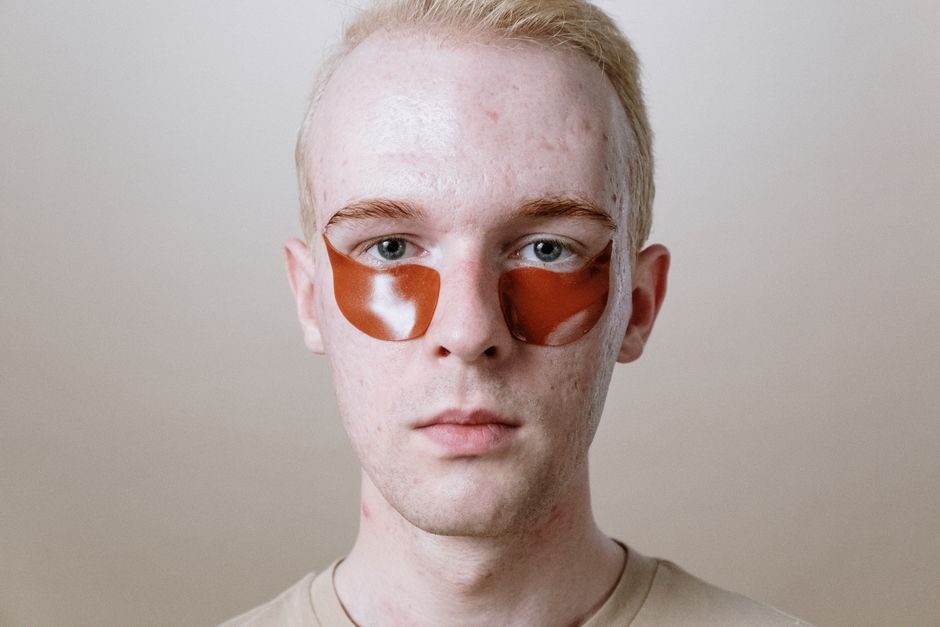
Under-the-skin acne, often called blind pimples or cystic acne, feels like a hard, painful lump beneath the surface. You cannot pop it, and trying to do so usually makes it worse. The goal is not to dry the spot out but to reduce inflammation and help the contents dissolve safely. Consistent use of targeted topical treatments, avoiding picking, and understanding your skin’s triggers are the most reliable ways to clear these lesions and prevent new ones from forming.
What Causes Under The Skin Acne?
These painful bumps start the same way all acne does. A pore becomes blocked with oil and dead skin cells. But with blind pimples, the blockage is deep, and the pore opening is closed. The trapped material has nowhere to go, so the pore wall ruptures under the skin. This triggers an immune response, which causes redness, swelling, and pain.
Hormones play a large role. Androgens, which are present in both men and women, increase oil production. Fluctuations during the menstrual cycle, or conditions like polycystic ovary syndrome (PCOS), can make these deep bumps more frequent. Genetics also matter. If your parents had cystic acne, you are more likely to develop it.
Certain lifestyle factors can contribute, though they do not cause acne on their own. High-glycemic diets and dairy intake have been linked to more frequent breakouts in some studies. Stress does not create acne, but cortisol can increase oil production, potentially worsening existing lesions.
What Is The Fastest Way To Reduce A Blind Pimple?
You cannot make a deep pimple vanish in a few hours. But you can reduce the pain and swelling faster by targeting inflammation. The most effective over-the-counter option is benzoyl peroxide. It kills the bacteria inside the pore and helps shed dead skin cells. A 2.5% or 5% gel applied to the affected area works as well as higher strengths but with less irritation.
Another option is a warm compress. Soak a clean cloth in warm water and hold it against the bump for 10 to 15 minutes, three to four times a day. This increases blood flow to the area, which helps your immune cells clear the debris faster. It may also bring the pimple to a head, but you should still not pop it.
Ice can help with pain. Wrap an ice cube in a thin towel and hold it on the spot for a few minutes. This reduces swelling but will not speed up healing. Use ice for comfort, not as a treatment.
Which Topical Treatments Work Best For Deep Acne?
Consistency matters more than any single ingredient. You need a routine that prevents pores from clogging in the first place. Dermatologists typically recommend a combination of ingredients, not just one.
Adapalene is a retinoid available over the counter at 0.1% strength. It works by normalizing the way skin cells shed, preventing them from sticking together inside the pore. This is the closest thing to a long-term solution for blind pimples. It takes 8 to 12 weeks to see full results, and it can cause dryness and peeling during the first few weeks.
Salicylic acid is a beta-hydroxy acid that penetrates oil and exfoliates inside the pore. It is useful for preventing clogs but is less effective at treating an existing deep bump. It works best as a daily maintenance product, like a cleanser or toner.
For stubborn cases, a dermatologist may prescribe topical clindamycin, an antibiotic. This is usually combined with benzoyl peroxide to reduce the risk of bacterial resistance. Topical antibiotics should not be used alone for acne, as this can lead to resistant bacteria.
| Ingredient | How It Works | Best Use |
|---|---|---|
| Benzoyl Peroxide | Kills bacteria, reduces inflammation | Spot treatment on active bumps |
| Adapalene | Prevents pore blockages | Daily use for prevention |
| Salicylic Acid | Exfoliates inside the pore | Daily cleanser or toner |
| Clindamycin (Rx) | Kills bacteria | Prescription, combined with other treatments |



Should You Pop Or Extract A Blind Pimple?
No. Never try to pop a blind pimple. Because the blockage is deep and the pore opening is closed, squeezing forces the contents deeper into the skin. This causes more inflammation, a larger bump, and a higher risk of scarring. It can also spread bacteria to surrounding pores, creating new pimples.
A dermatologist can perform an extraction, but this is not the same as popping. They use a sterile needle to make a tiny opening and then use a tool to drain the contents. This is done in a controlled setting with proper hygiene. Even then, dermatologists often prefer to treat the lesion with a corticosteroid injection instead.
Intralesional corticosteroid injections are the fastest medical treatment for a single painful cyst. A dermatologist injects a diluted steroid directly into the bump. This reduces inflammation within 24 to 48 hours. This is for one or two problem spots, not for widespread acne.
How To Get Rid Of Under The Skin Acne For Good
The phrase “for good” is misleading. Acne is a chronic condition. Like high blood pressure, it can be managed but not always cured. The goal is long-term control so that breakouts are rare and mild.
The foundation is a consistent skincare routine. Wash your face twice daily with a gentle cleanser. Use a non-comedogenic moisturizer, even if your skin is oily. Dry skin actually triggers more oil production, which leads to more clogged pores. Apply adapalene at night and benzoyl peroxide in the morning, or alternate them to avoid irritation.
Sun protection is not optional. Many acne treatments, especially retinoids, make your skin more sensitive to UV damage. Use a broad-spectrum sunscreen with SPF 30 or higher every morning. This also prevents post-inflammatory hyperpigmentation, the dark marks that linger after a pimple heals.
If you have tried over-the-counter options for three months without improvement, see a dermatologist. Prescription treatments are significantly more effective. Options include stronger retinoids like tretinoin, oral antibiotics, or spironolactone for women with hormonal acne. Isotretinoin is the most effective treatment for severe, scarring cystic acne, but it has significant side effects and requires close monitoring.
Do Diet And Lifestyle Changes Prevent Deep Acne?
Diet is not the primary cause of acne, but it can influence severity. Research has linked high-glycemic foods, like white bread, sugary drinks, and processed snacks, to more frequent breakouts. These foods cause rapid spikes in blood sugar, which increases insulin and insulin-like growth factor. This stimulates oil production.
Dairy is more controversial. Some studies suggest skim milk is associated with acne, while whole milk shows a weaker link. The evidence is not strong enough to recommend eliminating dairy for everyone. If your acne is severe and you consume a lot of dairy, you could try reducing it for a month to see if it helps. This is a personal trial, not a proven treatment.
Sleep and stress management matter indirectly. Poor sleep raises cortisol, which increases inflammation and oil production. Managing stress through exercise, adequate sleep, or other methods may reduce the frequency of breakouts. These habits support skin health, but they will not clear existing lesions.
What Makes Under The Skin Acne Worse?
Picking and squeezing are the most common mistakes. They turn a temporary bump into a weeks-long wound. The physical trauma damages collagen, leading to scars that are harder to treat than the original pimple.
Heavy, occlusive cosmetics can worsen acne. Look for products labeled “non-comedogenic,” which means they are less likely to clog pores. However, this label is not strictly regulated. If a product causes breakouts, stop using it regardless of the label.
Over-washing and harsh scrubs damage the skin barrier. When the barrier is compromised, bacteria have an easier time causing infection, and inflammation increases. Use a gentle cleanser and avoid physical exfoliants like beads or brushes on active acne.
Certain medications can trigger acne. Lithium, corticosteroids, and some seizure medications are known culprits. If you notice a pattern, talk to your prescribing doctor. Do not stop a prescribed medication on your own.
When To See A Dermatologist
See a professional if you have painful, deep nodules that leave scars or if over-the-counter products have not helped after three months. Also see one if acne is affecting your self-esteem or causing significant emotional distress. Acne is a medical condition, and effective treatment exists.
Dermatologists have tools that are not available over the counter. Prescription retinoids are far more potent than adapalene. Oral medications target hormones or bacteria from the inside. Chemical peels and laser therapies can address scarring and active inflammation.
Early treatment prevents permanent damage. The deeper the inflammation, the higher the risk of scarring. Do not wait years to seek help. The sooner you start effective treatment, the better your long-term skin outcome.
Frequently Asked Questions
Can toothpaste get rid of a blind pimple?
No. Toothpaste can irritate the skin and worsen inflammation. Use benzoyl peroxide or a warm compress instead.
How long does a blind pimple last?
Most last 1 to 2 weeks without treatment. Treatment can shorten this to a few days, but some deep cysts may take longer to resolve.
Does ice help under the skin acne?
Ice reduces swelling and pain temporarily, but it does not treat the cause. Use it for comfort, not as a cure.
Is under the skin acne caused by poor hygiene?
No. It is caused by blocked pores, hormones, and genetics. Washing more frequently will not prevent it and may irritate the skin.
