
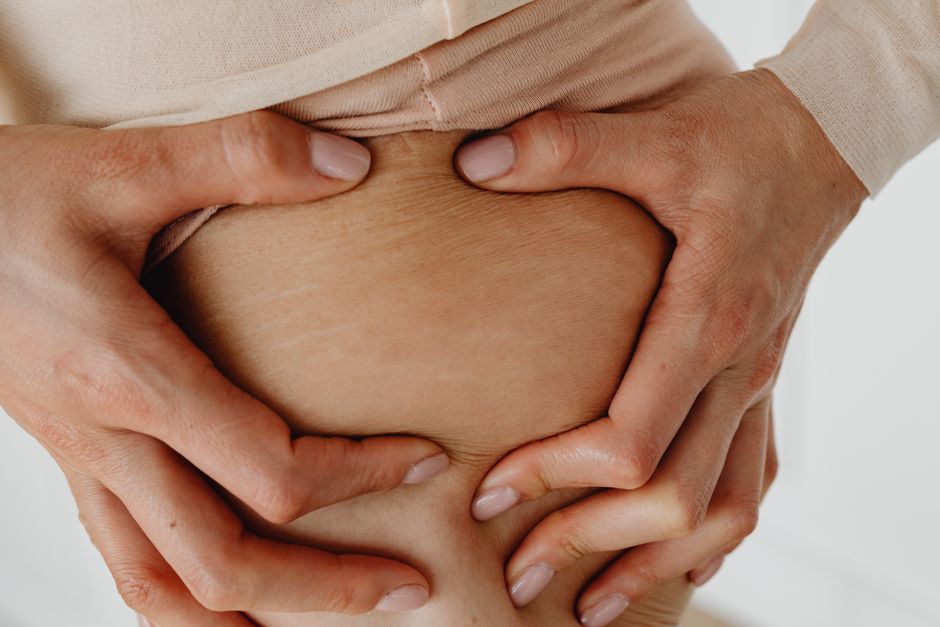
Extra skin under the chin, often called a turkey neck or double chin, is a common concern that has little to do with being overweight. The skin in that area is thin and loses elasticity with age, sun exposure, and genetics. There is no single magic fix, but a combination of targeted exercises, non-invasive treatments, and lifestyle changes can improve the appearance. For most people, consistent effort over several months yields visible results, while more stubborn cases may require professional procedures like radiofrequency or microneedling.
What Causes Extra Skin Under Your Chin?
The skin under your chin is naturally thinner than skin on your cheeks or forehead. It has fewer oil glands and less collagen and elastin, the proteins that keep skin firm and springy. As you age, your body produces less of these proteins, and the skin starts to sag.
Genetics play a big role too. Some people inherit weaker connective tissue or a smaller jawbone, which means the skin has less structural support underneath. Weight loss can also leave loose skin if the fat was lost quickly, though this is less common under the chin than on the belly or arms.
Sun damage is another major factor. UV rays break down collagen and elastin over time. If you have spent years without sunscreen on your neck and chin, the skin there will show signs of aging earlier. Poor posture, specifically constantly looking down at phones, can also contribute by weakening the neck muscles that help support the chin area.
Do Chin Exercises Actually Tighten Loose Skin?
Chin exercises are widely promoted online, but the evidence is mixed. Some small studies suggest that specific movements can strengthen the platysma muscle, the thin sheet of muscle under the chin and neck. A stronger muscle can provide a better foundation for the skin above it, which may reduce the appearance of sagging.
A 2014 study published in the Journal of Clinical and Aesthetic Dermatology found that participants who did facial exercises for 20 weeks showed firmer skin and fuller cheeks. However, the study was small and did not measure chin skin specifically. Other research has not found strong benefits from isolated chin exercises.
What is more certain is that general neck and jaw exercises can improve muscle tone. Try the chin lift: tilt your head back, look at the ceiling, and press your tongue against the roof of your mouth. Hold for 10 seconds and repeat 10 times. Another option is the platysma stretch: pull the corners of your mouth down while tilting your head back. These exercises are safe and free, but they work slowly. Expect to do them daily for at least three months before you notice a difference.
What Non-Invasive Treatments Have Evidence Behind Them?
Several professional treatments can tighten skin under the chin without surgery. The most studied is radiofrequency microneedling, which uses tiny needles to deliver heat deep into the skin. The heat triggers collagen production, and the micro-injuries from the needles also stimulate repair. Research published in the Journal of Drugs in Dermatology found that three sessions spaced a month apart improved skin laxity in 80 percent of participants.
Another option is ultrasound therapy, often called Ultherapy. It uses focused ultrasound energy to heat layers of skin and fascia, the connective tissue under the skin. The FDA has cleared it for lifting the neck and chin area. Clinical studies show it works best for mild to moderate sagging. Results appear gradually over two to three months and can last up to a year.
Laser treatments like Fraxel also help by resurfacing the top layers of skin and stimulating collagen deeper down. These are more effective for texture and fine lines than for significant sagging. Cryolipolysis, or CoolSculpting, is sometimes marketed for double chins, but it targets fat cells, not loose skin. If you have extra fat under the chin along with loose skin, reducing the fat may help the skin appear tighter, but it does not directly address skin laxity.
Here is a quick comparison of common non-invasive treatments:
| Treatment | How It Works | Best For | Typical Sessions | Downtime |
|---|---|---|---|---|
| Radiofrequency microneedling | Heat + micro-injuries | Moderate sagging | 3 | 1-2 days redness |
| Ultrasound (Ultherapy) | Focused heat at depth | Mild to moderate sagging | 1 | None |
| Laser resurfacing | Removes top skin layers | Fine lines and texture | 3-5 | Up to 1 week |
| Cryolipolysis | Freezes fat cells | Fat under chin | 1-2 | None |





What Lifestyle Changes Actually Help?
You cannot spot-reduce fat, but losing overall body fat can reduce the size of a double chin if excess fat is part of the problem. The American Council on Exercise notes that a calorie deficit of 500 to 1000 calories per day leads to safe weight loss of one to two pounds per week. As body fat decreases, the chin area may slim down, and the skin can tighten somewhat if the weight loss is gradual.
Hydration matters more than most people realize. Dehydrated skin looks thinner and more wrinkled. Drinking enough water keeps skin cells plump, which can make loose skin appear less noticeable. Aim for eight glasses per day, or more if you exercise or live in a dry climate.
Sun protection is non-negotiable. Use a broad-spectrum sunscreen with at least SPF 30 on your neck and chin every day, even in winter. The Skin Cancer Foundation recommends this for all exposed skin. Over time, consistent sun protection prevents further collagen breakdown and allows your body to repair some existing damage.
Sleep position also plays a role. Sleeping on your stomach or side can crease the skin on your chin and neck over the years. Sleeping on your back reduces pressure on that area and may help prevent deepening of lines and sagging. If you cannot change your sleep position, a silk pillowcase creates less friction than cotton.
What Are the Side Effects of How To Get Rid Of Extra Skin Under Your Chin?
Non-invasive treatments are generally safe, but they do have side effects. Radiofrequency microneedling can cause temporary redness, swelling, and pinpoint bleeding at the treatment site. These usually resolve within a day or two. Rarely, infection or scarring can occur if the device is not properly sterilized or if you pick at the treated area.
Ultrasound therapy can cause mild discomfort during the procedure, described by some as a warm prickling sensation. Afterward, you may have slight redness or tenderness for a few hours. More serious side effects like nerve injury are extremely rare when performed by a qualified practitioner.
Laser resurfacing carries a higher risk of temporary hyperpigmentation, especially in people with darker skin tones. This is why it is important to see a dermatologist who has experience with your skin type. Cryolipolysis can cause numbness, bruising, and a pulling sensation in the treated area, but these are usually temporary.
Surgery, like a neck lift or liposuction, has more significant risks including infection, bleeding, scarring, and anesthesia complications. The American Society of Plastic Surgeons reports that serious complications occur in less than one percent of cases, but they are possible. Surgery is the most effective option for severe sagging, but it should be a last resort after trying less invasive methods.
Common Misconceptions About Chin Skin Tightening
One widespread myth is that topical creams can tighten loose chin skin. Most firming creams contain ingredients like retinol, peptides, or hyaluronic acid. These can improve skin hydration and texture, but they cannot physically tighten loose skin. The molecules in creams are too large to penetrate deep enough to stimulate significant collagen production in the dermis. Save your money for treatments that actually reach the deeper layers of skin.
Another myth is that face yoga or devices like jaw trainers can eliminate a double chin. These tools strengthen muscles, which can improve the appearance of the jawline, but they do not remove fat or tighten skin. If you have excess fat under the chin, no amount of muscle work will make it disappear. You need fat reduction first, then skin tightening.
Some people believe that losing weight quickly will fix loose chin skin. In reality, rapid weight loss often makes loose skin worse because the skin does not have time to contract. Gradual weight loss of one to two pounds per week gives your skin a better chance to tighten naturally. If you have lost a significant amount of weight, give your skin six to twelve months to adjust before considering procedures.
Here are a few practical steps to start today:
- Do chin exercises daily for at least three months before judging results
- Apply sunscreen SPF 30 or higher to your neck and chin every morning
- Drink enough water so your urine is light yellow
- Sleep on your back with a silk pillowcase
- If you have excess fat, aim for gradual weight loss through diet and exercise
Frequently Asked Questions
Can losing weight get rid of extra skin under my chin?
It can reduce the fat layer under the chin, but loose skin from aging or genetics will not tighten with weight loss alone.
How long does it take for chin exercises to work?
Most people need to do exercises daily for at least three months before they see any noticeable improvement in skin tightness.
Is surgery the only way to fix loose chin skin?
No, non-invasive treatments like radiofrequency microneedling and ultrasound therapy can significantly improve mild to moderate sagging without surgery.
Do firming creams work for a double chin?
They can improve skin hydration and texture but cannot physically tighten loose skin or remove fat under the chin.
