
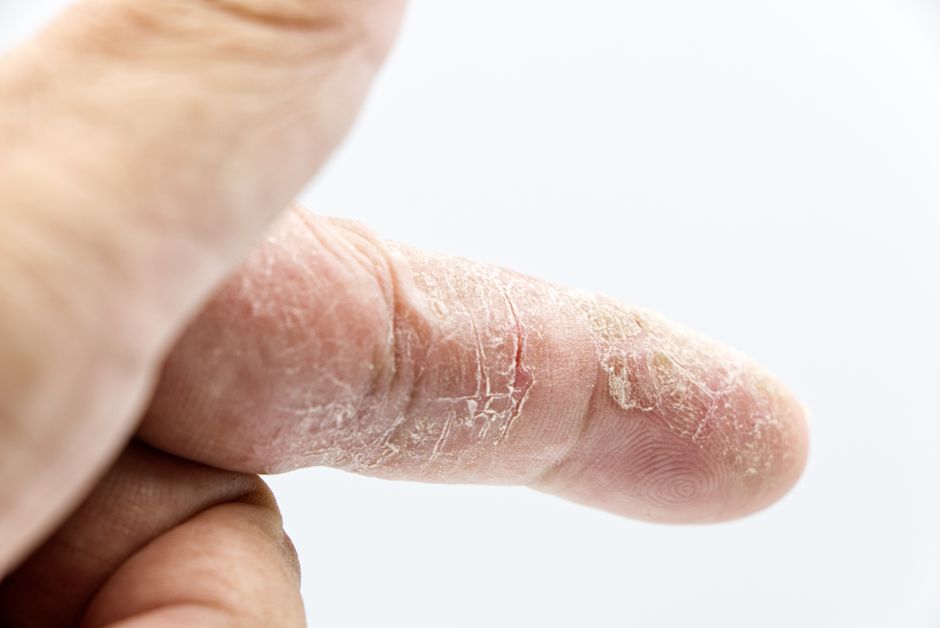
Dry flaky skin under your mustache is usually a mix of two things: your skin losing moisture and the hair itself irritating the skin underneath. The fix starts with changing how you wash and dry that area, then adding the right moisturizer and, often, a medicated cream. Most people see real improvement in one to two weeks if they stick with the routine and stop using harsh soaps or scrubbing the area.
What causes dry flaky skin under your mustache?
The skin under your mustache is different from the rest of your face. The hair traps oil, sweat, and dead skin cells close to the surface. That creates a warm, damp environment where irritation can start.
Many men also wash their mustache area with the same soap they use on their body. That is usually too harsh. Body soaps strip natural oils from facial skin. Without those oils, moisture escapes and the skin dries out.
Friction from shaving or trimming can also damage the outer layer of skin. When that layer is broken, moisture leaves faster and flakes appear.
How To Fix Dry Flaky Skin Under Your Mustache
Start with your washing routine. Use a gentle, fragrance-free cleanser designed for the face. Wash the mustache area with lukewarm water only once a day. Hot water removes natural oils faster.
After washing, pat the area dry with a clean towel. Do not rub. Rubbing lifts the skin cells that are already loose and makes flaking worse.
Apply a moisturizer while the skin is still slightly damp. That locks in more moisture than applying to dry skin. Look for a moisturizer that contains ceramides, glycerin, or squalane. These ingredients help rebuild the skin barrier.
If the skin is red or itchy along with being flaky, you may have seborrheic dermatitis. This is a common condition that causes dandruff-like flakes on the scalp, eyebrows, and under facial hair. For this, use a dandruff shampoo containing ketoconazole, selenium sulfide, or zinc pyrithione. Wash the mustache area with it two to three times per week. Leave it on for two to three minutes before rinsing.
For stubborn flakes, a thin layer of over-the-counter hydrocortisone cream can be applied for no more than seven days. Do not use steroid creams long-term under facial hair without a doctor’s guidance. They can thin the skin.
What not to do when you have flaky mustache skin
Do not scrub the area with a washcloth, loofah, or exfoliating brush. Many people think flakes are dead skin that needs to be removed. That is wrong. Scrubbing removes the protective barrier and makes the skin produce more flakes to compensate.
Do not use alcohol-based aftershaves or toners on the mustache area. Alcohol evaporates quickly and takes moisture from the skin with it.
Do not pick at the flakes. Picking creates small wounds that can get infected. It also tells your skin to produce more inflammatory cells, which worsens redness and flaking.
Do not use beard oils that contain fragrance or essential oils. These are common irritants. Plain jojoba oil or grapeseed oil is safer because they are chemically similar to your skin’s natural sebum.





How mustache grooming affects skin dryness
The way you trim your mustache matters. If you shave the upper lip clean, the skin there gets more direct exposure to air and loses moisture faster. Keeping a short, even trim actually protects the skin by reducing evaporation.
Electric trimmers are gentler than razors. Razors cut below the skin surface and can cause micro-cuts that trigger inflammation. If you do shave, use a single-blade razor and shave in the direction of hair growth. Shaving against the grain lifts the skin and causes irritation.
Clean your trimmer or razor regularly. Bacteria on dull blades can infect small cuts and turn dry skin into a bigger problem.
When dry flaky skin is something else
Most cases of flaky skin under the mustache are simple irritation or seborrheic dermatitis. But there are other possibilities.
Allergic contact dermatitis happens when your skin reacts to something it touches. Common triggers include nickel in razor blades, fragrances in shaving cream, and certain preservatives in moisturizers. If the flaking started soon after you switched a product, stop using it for two weeks and see if the skin improves.
Psoriasis can appear under facial hair. It looks like thick, silvery scales rather than small white flakes. It is less common than seborrheic dermatitis and usually appears elsewhere on the body too.
Fungal infections can happen if the area stays damp for long periods. This is more common in men who wear tight face masks for hours or who sweat heavily during exercise. An antifungal cream like clotrimazole can help, but see a doctor first if you suspect fungus.
What the evidence actually shows about mustache skin care
There is strong evidence that moisturizers with ceramides and glycerin improve skin barrier function. Studies consistently show that these ingredients reduce water loss from the skin surface.
For seborrheic dermatitis, the evidence for ketoconazole shampoo is strong. Multiple trials show it reduces both flaking and redness in most people within two to four weeks.
The evidence for beard oils is mixed. Some studies show that oils like jojoba can reduce water loss. Other studies show they do nothing or can clog pores. The effect seems to depend on your individual skin type and the specific oil used.
There is no good evidence that special “beard shampoos” work better than a gentle face cleanser. Most beard shampoos are just repackaged body wash with a higher price.
Simple daily routine summary
Morning: Rinse with lukewarm water. Pat dry. Apply moisturizer.
Evening: Wash with gentle face cleanser. Pat dry. Apply moisturizer.
Two to three times per week: Replace morning wash with dandruff shampoo if you have seborrheic dermatitis. Leave it on for two to three minutes.
If redness or itching persists: Add a thin layer of over-the-counter hydrocortisone at night for up to seven days.
Stick with this routine for at least two weeks. Most people see improvement within the first week. If nothing changes after two weeks, see a dermatologist.
Frequently Asked Questions
Can I use beard oil for dry flaky skin under my mustache?
Beard oil can help if it is fragrance-free and made with simple oils like jojoba or grapeseed. Many beard oils contain fragrance or essential oils that make flaking worse.
How long does it take for dry skin under mustache to heal?
Most people see improvement within one to two weeks with consistent washing and moisturizing. Seborrheic dermatitis may take up to four weeks with medicated shampoo.
Should I shave off my mustache to fix the dry skin?
Shaving is not usually needed and can actually make dryness worse by exposing raw skin to air. Keeping a short trim is usually better than shaving clean.
Is dandruff shampoo safe to use on my mustache?
Yes, dandruff shampoo is safe for the mustache area if you use it two to three times per week. Avoid getting it in your eyes and rinse thoroughly.
