
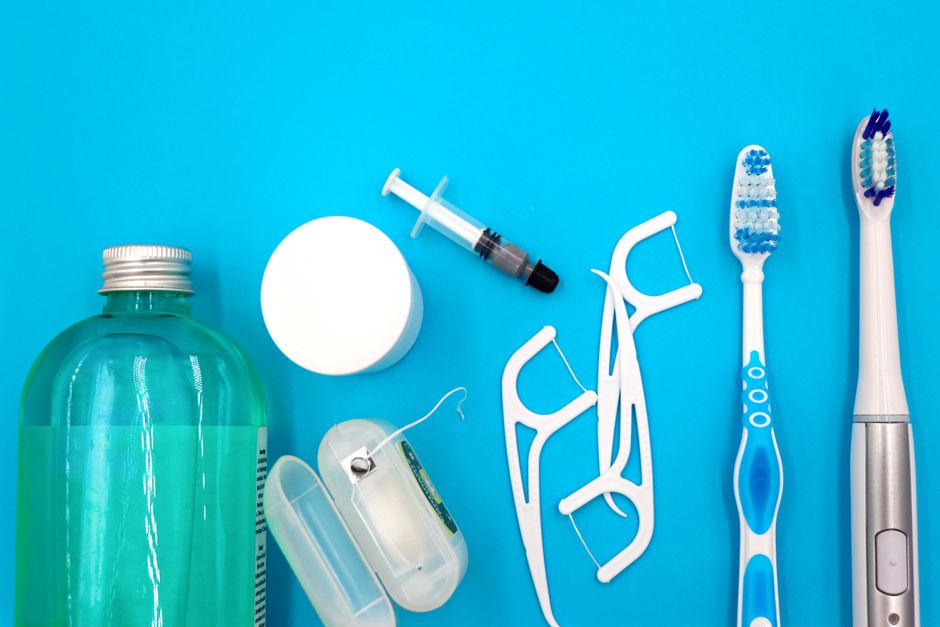
You can strengthen your teeth and gums naturally by focusing on what you eat, how you clean your mouth, and which habits you avoid. The core actions are getting enough key nutrients like vitamin D, calcium, and vitamin C, cutting back on sugar and acidic foods, and using proper brushing and flossing techniques. These steps support your body’s own ability to repair and protect your oral health without relying on harsh chemicals or expensive products.
What Does the Science Say About Remineralizing Teeth?
Your teeth are not static rocks in your mouth. They are living tissues that constantly lose and gain minerals. This process is called demineralization and remineralization. When you eat sugar or acidic foods, bacteria in plaque produce acids that strip calcium and phosphate from your enamel. That is demineralization. Your saliva naturally puts those minerals back. That is remineralization.
The key is keeping the balance tipped toward remineralization. Research published in the Journal of Dental Research has shown that fluoride helps this process significantly. But natural approaches also work. Saliva itself is your body’s best natural defense. It contains calcium, phosphate, and proteins that rebuild enamel. Chewing sugar-free gum after meals stimulates saliva flow. So does staying hydrated throughout the day.
Some studies suggest that compounds like casein phosphopeptide-amorphous calcium phosphate (CPP-ACP), found in certain dairy products and some toothpastes, can boost remineralization. The evidence is moderate but promising. The stronger evidence supports reducing the frequency of sugar exposure. Every time you sip a sugary drink or snack on carbs, you restart the acid attack on your teeth. Giving your mouth breaks between meals allows saliva to do its repair work.
How Does Diet Actually Affect Your Teeth and Gums?
Diet is probably the single most powerful natural tool you have. It is not just about avoiding sugar. It is about eating foods that give your body the raw materials it needs. Calcium is the obvious one. Dairy products, leafy greens, and fortified plant milks provide it. But calcium cannot work without vitamin D. The National Institutes of Health states that vitamin D helps your body absorb calcium. Without enough vitamin D, the calcium you eat largely passes through you.
Vitamin C is equally critical for gums. The American Academy of Periodontology notes that vitamin C deficiency causes bleeding gums and weakens the connective tissue that holds teeth in place. Citrus fruits, bell peppers, strawberries, and broccoli are good sources. You do not need megadoses. Just consistent daily intake from whole foods.
Phosphorus is another mineral that supports enamel. You find it in eggs, fish, nuts, and seeds. There is also growing interest in vitamin K2. Some researchers believe it helps direct calcium to teeth and bones instead of soft tissues. The evidence is still emerging. But eating foods like natto, cheese, and egg yolks is harmless and potentially helpful. The bottom line is simple: eat a varied whole-food diet and your teeth get what they need.
What Are the Best Natural Oral Hygiene Practices?
Brushing and flossing are not optional. But how you do them matters more than what you use. The American Dental Association recommends brushing twice a day with a soft-bristled brush. Hard bristles can wear down enamel and irritate gums. Brush for two full minutes. Most people brush for less than 45 seconds. Set a timer if you have to.
Flossing once a day removes plaque from between teeth where your brush cannot reach. If you hate flossing, try interdental brushes or water flossers. The Cochrane Collaboration reviewed the evidence and found that flossing plus brushing reduces gum inflammation more than brushing alone. The key is consistency. Skipping a day allows plaque to harden into tartar, which only a dentist can remove.
Some natural mouth rinses can help. Salt water rinses are mildly antibacterial and soothe irritated gums. Mix half a teaspoon of salt in a cup of warm water and swish for 30 seconds. Do this once or twice a day if your gums feel tender. Oil pulling with coconut oil is widely claimed to reduce bacteria. Some small studies suggest it may help, but the evidence is weak compared to standard oral hygiene. It is not a replacement for brushing and flossing. Think of it as an optional extra, not a core practice.



Which Natural Ingredients Actually Help Strengthen Gums?
Certain plant-based compounds have real evidence behind them. Coenzyme Q10 is a naturally occurring antioxidant. Research published in the Journal of Clinical Periodontology found that people with gum disease often have low levels of CoQ10 in their gum tissue. Supplementing with CoQ10, either orally or as a gel applied to gums, showed modest improvements in gum health. The effect is not dramatic, but it is real.
Green tea is another well-studied option. A meta-analysis in the Journal of Periodontology found that drinking green tea regularly was linked to healthier gums. The catechins in green tea reduce inflammation and inhibit the growth of bacteria that cause gum disease. Two to three cups a day is a reasonable amount. Just do not add sugar.
Aloe vera gel applied to the gums may reduce inflammation and bleeding. The evidence is moderate. Some clinical trials show it works about as well as standard mouthwash for reducing plaque and gingivitis. But aloe vera is gentle and has no known downsides when used topically. Look for pure aloe vera gel without added alcohol or artificial ingredients.
One ingredient you should be cautious about is charcoal. Charcoal toothpaste is popular on social media. But the American Dental Association has not approved any charcoal toothpastes as safe or effective. The abrasive particles can wear down enamel over time. There is no strong evidence that charcoal whitens teeth or improves gum health. Save your money.
How To Strengthen Your Teeth And Gums Naturally With Lifestyle Changes
Your overall health directly affects your mouth. Smoking is one of the worst things for your gums. The CDC reports that smokers are twice as likely to develop gum disease as nonsmokers. Tobacco use restricts blood flow to gum tissue, making it harder for your body to fight infection and heal. Quitting smoking is arguably the single most effective natural step you can take for your oral health.
Stress matters too. When you are stressed, your body produces more cortisol. High cortisol levels suppress your immune system and increase inflammation throughout your body, including your gums. Chronic stress is linked to higher rates of gum disease. Managing stress through exercise, sleep, or mindfulness is not just good for your head. It helps your mouth too.
Sleep is when your body does most of its repair work. Poor sleep quality is associated with higher inflammation markers. Aim for seven to eight hours per night. Your salivary flow also drops during sleep, which is why morning breath happens. Drinking water before bed and first thing in the morning helps keep your mouth hydrated and supports natural cleansing.
Grinding your teeth at night, called bruxism, can wear down enamel and cause gum recession. If you wake up with jaw pain or headaches, talk to your dentist. A custom night guard can protect your teeth. Some people find magnesium supplements help reduce nighttime grinding, but the evidence is mostly anecdotal. The guard is the proven solution.
What Natural Remedies Should You Avoid?
Not every natural remedy is safe. Lemon juice and apple cider vinegar are sometimes promoted for whitening teeth or killing bacteria. The problem is that both are highly acidic. Direct contact with enamel can erode it quickly. The British Dental Journal has documented cases of significant enamel loss from regular lemon juice use. Never swish acidic liquids in your mouth. If you drink them, use a straw and rinse with water afterward.
Hydrogen peroxide is another common home remedy. Diluted hydrogen peroxide can be used as a mouth rinse for short periods. But full-strength hydrogen peroxide can burn your gums and damage tissues. Stick to commercial mouthwashes that contain safe concentrations. Or use salt water instead.
Some people try to scrape tartar off their own teeth with metal tools they buy online. This is dangerous. You can easily damage your enamel or push bacteria deeper into your gums. Tartar removal should only be done by a dental professional. The same goes for at-home whitening kits that use high concentrations of bleaching agents. They can cause permanent tooth sensitivity and gum irritation if used incorrectly.
Essential oils like tea tree oil and clove oil have antibacterial properties. But they are potent and can cause allergic reactions or burns if used undiluted. If you want to use them, dilute them properly and use them sparingly. Never swallow them. Clove oil is specifically used for toothache relief, not for daily gum care. The evidence for its long-term use is limited.
Frequently Asked Questions
Can you reverse gum disease naturally?
Early-stage gum disease called gingivitis can be reversed with good oral hygiene and professional cleaning. Advanced gum disease called periodontitis cannot be reversed but can be managed with treatment and consistent care.
What foods strengthen teeth naturally?
Dairy products, leafy greens, almonds, and fish provide calcium and vitamin D. Crunchy vegetables like carrots and celery stimulate saliva and gently clean teeth. Vitamin C from citrus and bell peppers supports gum health.
Does oil pulling actually work for teeth?
Some small studies suggest oil pulling with coconut oil reduces plaque and gum inflammation. The evidence is weak compared to brushing and flossing. It is safe as an extra step but not a replacement for standard oral care.
How long does it take to remineralize teeth naturally?
Mild enamel remineralization can happen within weeks if you reduce sugar and increase mineral intake. Visible changes like reduced sensitivity may take several months. Deep cavities cannot be reversed naturally and require dental treatment.
