
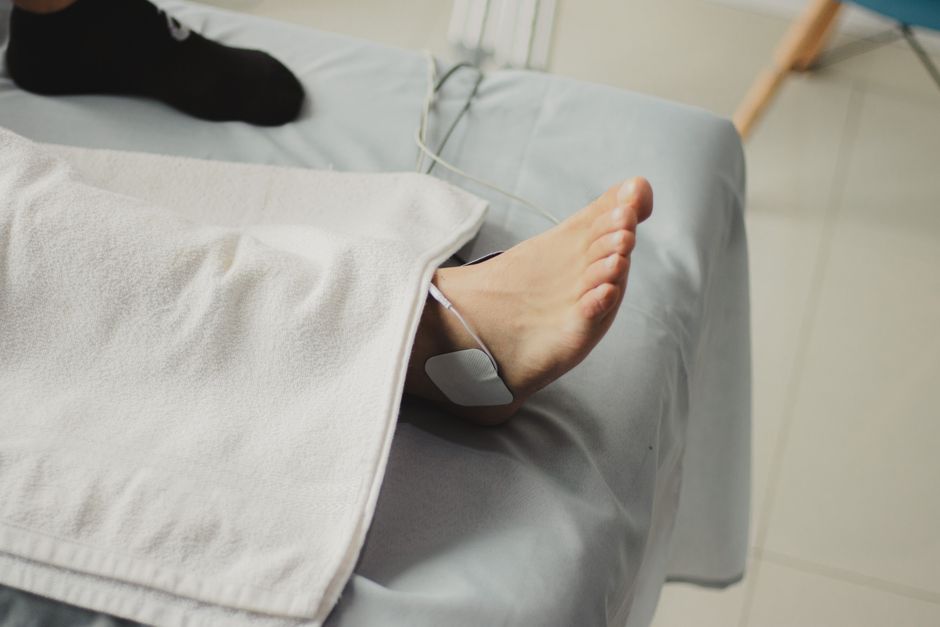
Swelling after laser treatment usually starts to go down within 24 to 48 hours. For most people, the visible swelling is mostly gone after 3 to 5 days. Some residual puffiness can linger for up to two weeks, especially after more aggressive treatments like fractional CO2 or deep ablative lasers. The exact timeline depends on the type of laser used, the area treated, and your individual healing response.
How Long Does Swelling Last After Laser Treatment Depending on the Type?
The kind of laser your provider uses is the biggest factor in how long you stay puffy. Non-ablative lasers, which heat the skin without removing the top layer, typically cause the least swelling. You might see redness and mild puffiness for 1 to 3 days. Many people go back to work the next day with some concealer.
Ablative lasers are a different story. These remove the outer layer of skin and create a controlled wound. Research from the American Society for Dermatologic Surgery notes that swelling from ablative resurfacing can peak at 48 to 72 hours. It often takes 7 to 10 days for the majority of the swelling to settle. Some patients report a “puffy” feeling in the morning for up to two weeks.
Fractional lasers, like Fraxel, fall in the middle. The laser creates microscopic columns of treated skin surrounded by healthy tissue. Swelling is common for 2 to 4 days. You may look like you have a mild sunburn with some puffiness around the eyes or cheeks.
Vascular lasers for redness or broken capillaries cause very little swelling for most people. Any puffiness is usually gone within a few hours to one day.
What Causes Swelling After Laser Treatments?
Swelling is your body’s natural inflammatory response. When the laser delivers heat energy into the skin, it creates controlled damage. Your immune system sends fluid and white blood cells to the area to start repair. That fluid buildup is what you see as swelling.
Laser treatments also cause blood vessels in the treated area to dilate. This brings more blood flow to the site, which adds to the redness and puffiness. The amount of heat and the depth of the laser determine how strong this response will be.
Some people confuse swelling with the “wheal” reaction that happens right after treatment. A wheal is a raised, red bump that forms within minutes. It usually goes away within a few hours. True swelling from deeper tissue fluid takes longer to resolve.
Your skin’s thickness matters too. The eyelids are the thinnest skin on your body. Swelling here can look dramatic even after a mild laser treatment. The cheeks and forehead have thicker skin and tend to swell less visibly.
What Does Research on Swelling Duration Show?
A study published in the journal Lasers in Surgery and Medicine followed patients after fractional CO2 laser resurfacing. Researchers found that swelling peaked at day two. It was still noticeable at day five for about half of the patients. By day 14, only a small number of people had any measurable puffiness.
Another study on non-ablative fractional lasers reported that 90 percent of patients had no swelling after 72 hours. The remaining 10 percent had very mild puffiness that resolved within a week. This matches what dermatologists see in practice every day.
Research on Q-switched lasers for tattoo removal shows a different pattern. These lasers break up ink particles. The swelling is partly from the laser heat and partly from your immune system clearing the ink. Swelling can last 3 to 7 days. Some people develop blisters or bruising along with the swelling.
There is no strong evidence that any cream or pill reliably cuts swelling time in half. Cold compresses and head elevation have the most consistent support from clinical observation. Steroid creams are sometimes prescribed but carry their own risks.




How Does the Treated Area Affect Swelling Time?
The location of your treatment changes the timeline significantly. The periorbital area, around the eyes, is the most common place for prolonged swelling. The skin here has loose connective tissue and very little underlying fat to absorb fluid. Even a gentle laser can cause puffy eyes for 3 to 5 days.
The neck and chest also tend to swell more than the face. These areas have thinner skin and less blood flow. Healing is slower. Swelling after neck laser resurfacing can last 5 to 7 days. Some patients report a “turkey neck” look from the fluid pooling under the chin.
The hands and arms have thicker skin but less robust circulation. Swelling here may take longer to go down but is usually less noticeable. The legs and feet are prone to dependent edema. If you stand or sit for long periods after leg laser treatment, fluid can pool and make swelling worse.
Lip laser treatments cause significant swelling because the lips have a dense network of blood vessels. You can expect 3 to 5 days of obvious puffiness. Some people look like they have had filler injections for the first two days.
What Actually Helps Swelling Go Down Faster?
Cold therapy works if you do it right. Apply a cold pack wrapped in a thin cloth for 10 to 15 minutes every hour during the first 24 hours. Do not put ice directly on treated skin. This can cause frostbite on already sensitive tissue.
Sleep with your head elevated on two pillows for the first three nights. Gravity helps drain fluid away from your face. This is one of the most effective things you can do. Many people skip it and then wonder why they wake up puffy.
Avoid anything that raises your blood pressure for the first week. That means no heavy exercise, no hot yoga, no saunas, and no alcohol. Increased blood flow to the area keeps swelling going longer. The American Academy of Dermatology recommends waiting at least one week before returning to intense workouts.
Arnica gel or bromelain supplements are widely used, but the evidence is mixed. Some small studies suggest arnica can reduce bruising and swelling after cosmetic procedures. Other studies find no benefit over placebo. If you want to try them, check with your provider first. Do not take bromelain if you are on blood thinners.
Avoid salty foods for the first few days. Sodium causes your body to retain fluid. If you are already dealing with laser-induced swelling, salty meals can make it worse and last longer. Stick to bland, whole foods until the puffiness peaks and starts to decline.
| Laser Type | Typical Swelling Duration | Peak Swelling Time |
|---|---|---|
| Non-ablative (IPL, BBL, Clear + Brilliant) | 1 to 3 days | 24 hours |
| Fractional non-ablative (Fraxel, Halo) | 2 to 4 days | 24 to 48 hours |
| Ablative fractional (CO2, Erbium) | 5 to 10 days | 48 to 72 hours |
| Full ablative resurfacing | 7 to 14 days | 72 hours |
| Vascular/pigment lasers | Few hours to 1 day | Immediate |
| Q-switched tattoo removal | 3 to 7 days | 24 to 48 hours |
When Should You Worry About Swelling?
Normal swelling follows a predictable pattern. It gets worse before it gets better. It peaks in the first two to three days and then slowly goes down. It is not extremely painful. It feels tight and puffy but not hot or throbbing.
Call your provider if the swelling gets worse after day three instead of better. This can signal an infection or an allergic reaction. Other warning signs include swelling that spreads beyond the treated area, severe pain, fever, or pus draining from the skin.
Some people develop a condition called angioedema after laser treatment. This is deep swelling under the skin that can affect the lips, eyes, and throat. It is rare but serious. If you feel your throat tightening or have trouble breathing, go to the emergency room.
Delayed swelling that starts a week after treatment is unusual. It can happen if you have been using a product your skin does not like. New skincare ingredients, especially retinoids or acids, can trigger a reaction on freshly lasered skin. Stop any new products and call your provider.
Common Misconceptions About Laser Swelling
One widespread claim is that sleeping on your back prevents all swelling. This is not true. Elevation helps, but it does not stop the inflammatory process. Your body will still send fluid to the area. You are just helping it drain faster.
Another myth is that antihistamines like Benadryl reduce laser swelling. Antihistamines work for allergic reactions, not for the normal inflammatory swelling from heat damage. They may make you sleepy, which helps you rest, but they do not target the root cause.
Some people believe that the more swelling you have, the better the result. This is false. Swelling is a side effect, not a measure of success. A gentle laser on thin skin can cause dramatic puffiness. A deep laser on thick skin may cause very little. The outcome depends on the settings and your skin, not the swelling amount.
You might also hear that you should not wash your face during swelling. This is only true for ablative lasers where the skin barrier is broken. For non-ablative lasers, gentle cleansing is fine and may feel soothing. Always follow your specific aftercare instructions.
Frequently Asked Questions
Can I ice my face after laser treatment?
Yes, but wrap the ice pack in a thin cloth. Apply for 10 to 15 minutes each hour during the first 24 hours.
Does sleeping with my head up really help swelling?
Yes, it uses gravity to drain fluid away from your face. Use two pillows for the first three nights.
Is it normal for swelling to get worse on day two?
Yes, swelling often peaks at 48 to 72 hours depending on the laser type. This is a normal part of healing.
When can I exercise after laser treatment?
Wait at least one week before intense exercise. Increased blood flow can make swelling worse and last longer.
