
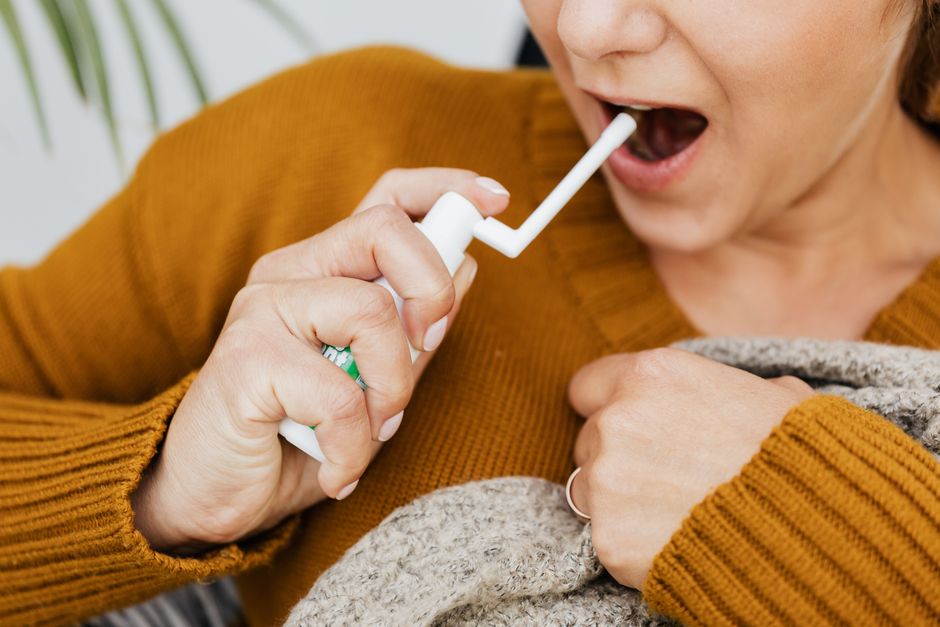
That feeling of having a lump in your throat that you just cannot clear is frustrating. Phlegm sitting in the back of your throat makes you want to cough constantly. The most direct way to break it up is to thin the mucus so it moves freely. This means drinking enough water and using steam or a saline rinse. These simple steps make the phlegm less sticky so your body can clear it naturally.
What Actually Causes Phlegm to Get Stuck?
Phlegm is mucus your body makes in response to something irritating. It could be a cold, allergies, or dry air. When you are healthy, mucus is thin and you swallow it without noticing. When you are sick or exposed to an irritant, your body produces more mucus and it becomes thicker.
The problem is not always too much mucus. Sometimes the mucus is normal in amount but too thick. Other times, the muscles in your throat are not clearing it well. Post-nasal drip is another common cause. Mucus from your sinuses drips down the back of your throat and collects there. This makes you feel like you constantly need to clear your throat.
Acid reflux can also cause phlegm. Stomach acid irritates the throat lining. Your body responds by making more mucus to protect the tissue. This creates a cycle of irritation and mucus production that is hard to break without addressing the reflux itself.
How To Break Up Phlegm In Throat: What Research Actually Shows
Research shows that the most reliable way to break up phlegm is hydration. A 2019 study in the journal Lung found that adequate fluid intake helps keep mucus less viscous. When you are dehydrated, your body produces thicker mucus. This is well established.
Steam inhalation has mixed evidence. Some studies suggest warm humid air helps loosen mucus. Other research finds it does not change mucus thickness significantly. What seems to work is warm moisture helping you cough more productively. The steam itself may not thin the mucus, but it soothes the airway and makes coughing less harsh.
Saline nasal rinses have stronger evidence. A 2020 review in JAMA Otolaryngology found that saline irrigation helps clear mucus from the nasal passages and reduces post-nasal drip. This directly reduces the amount of phlegm collecting in your throat. It is a simple mechanical flush that works.
Guaifenesin is the active ingredient in many over-the-counter mucus thinners. Clinical trials show it increases mucus production and makes it less thick. The effect is modest for most people. It works better for chest congestion than for throat phlegm specifically. Some people report it helps, but the evidence is not dramatic.
Quick Methods That Actually Work Right Now
If you need relief in the next few minutes, start with these steps.
Drink warm liquids. Warm water, tea, or broth helps thin mucus. Cold liquids can actually make mucus thicker for some people. Warmth also soothes the throat tissue. Sip slowly. Do not gulp.
Use steam. Run a hot shower and breathe in the steam for five to ten minutes. You can also boil water and pour it into a bowl. Lean over the bowl with a towel over your head. Keep your face at least 12 inches away to avoid burns. Breathe normally.
Try a saline spray. Saline sprays are available at any drugstore. They moisten the nasal passages and help thin mucus. Use it every few hours as needed. It has no side effects for most people. Avoid medicated sprays with decongestants for long-term use.
Gargle with salt water. Mix half a teaspoon of salt in a cup of warm water. Gargle for 30 seconds. This helps break up mucus at the back of the throat. It also reduces swelling in the throat tissue. Do this once or twice a day.
| Method | How It Works | Time to Effect |
|---|---|---|
| Warm liquids | Thins mucus from inside | 15-30 minutes |
| Steam inhalation | Moistens airways | 5-10 minutes |
| Saline spray | Flushes and thins mucus | Immediate |
| Salt water gargle | Breaks up mucus directly | Immediate |





What to Avoid When You Have Phlegm
Some common advice makes things worse. Dairy is often blamed for increasing phlegm. Research does not support this. A 2018 study in the Journal of the American College of Nutrition found no evidence that dairy increases mucus production. Some people feel it makes their phlegm thicker, but this is not consistent. If you notice it, avoid it. If you do not, there is no reason to cut out dairy.
Throat clearing is a habit many people develop. It actually irritates the throat more. Each time you clear your throat, you slam your vocal cords together. This causes swelling. Swelling triggers more mucus production. You end up in a loop where clearing your throat creates the need to clear it again. Try swallowing instead. If you must clear it, do it gently once.
Dry air makes phlegm worse. If your home or office is dry, especially in winter, use a humidifier. Aim for humidity around 50 percent. Too much humidity can promote mold growth. A simple hygrometer costs very little and tells you the level.
Smoking and vaping are obvious irritants. They dry out the throat and trigger mucus production. If you smoke, stopping is the single most effective thing you can do for phlegm. Secondhand smoke also matters. Avoid being around it.
When Phlegm Lasts Weeks or Months
If phlegm has been stuck in your throat for more than three weeks, something else is likely going on. Acute infections like colds usually resolve within ten to fourteen days. Chronic phlegm points to ongoing irritation.
Allergies are a common cause. Seasonal allergies trigger post-nasal drip. Antihistamines can help, but some types dry mucus and make it thicker. Newer antihistamines like loratadine or cetirizine are less drying. Consider seeing an allergist for testing.
Silent reflux is another cause many people miss. Also called laryngopharyngeal reflux, it does not always cause heartburn. Acid reaches the throat and causes irritation. The throat produces mucus to protect itself. Treatment includes avoiding trigger foods, eating smaller meals, and not eating three hours before bed. Some people need medication.
Chronic sinusitis keeps producing mucus that drains into your throat. This requires medical treatment. Nasal steroid sprays and saline rinses are first-line treatments. Some people need antibiotics or surgery.
As of 2026, current research suggests that persistent phlegm is rarely caused by something serious. But it does need proper diagnosis. If you have tried hydration and steam for two weeks with no change, see a doctor.
Common Misconceptions About Breaking Up Phlegm
Many people believe that coughing hard is the best way to clear phlegm. It is not. Harsh coughing forces mucus deeper into your airways. It also tires out your respiratory muscles. The goal is to cough productively, not forcefully. A controlled cough after taking a deep breath is more effective.
Another myth is that mucus thinners work instantly. Guaifenesin takes about 30 minutes to start working. It also requires you to drink enough water. Without adequate hydration, the medication does not work as well.
Some people think that phlegm always means infection. This is not true. As discussed, allergies, reflux, and dry air all cause phlegm without any infection present. Treating for infection when there is none leads to unnecessary antibiotic use.
The idea that you should avoid exercise when you have phlegm is also wrong. Light to moderate exercise can help move mucus. Walking, gentle yoga, or stretching can stimulate mucus clearance. Do not overdo it if you have a fever or feel very sick. But for simple phlegm, movement helps.
Frequently Asked Questions
How long does it take for phlegm to break up after drinking water?
It usually takes about 15 to 30 minutes for hydration to start thinning mucus. Consistent hydration throughout the day works better than drinking a lot at once.
Can honey help break up phlegm in the throat?
Honey may soothe the throat and make coughing less irritating. It does not directly thin mucus but can make you feel more comfortable while your body clears the phlegm naturally.
Is it better to spit out phlegm or swallow it?
Spitting it out removes the mucus from your body. Swallowing it sends it to your stomach where acid breaks it down. Neither is harmful. Do what feels more comfortable for you.
Does exercise help break up phlegm in the throat?
Light exercise can help move mucus through your airways. Walking or gentle movement stimulates natural clearance. Avoid intense exercise if you have a fever or feel very unwell.
