
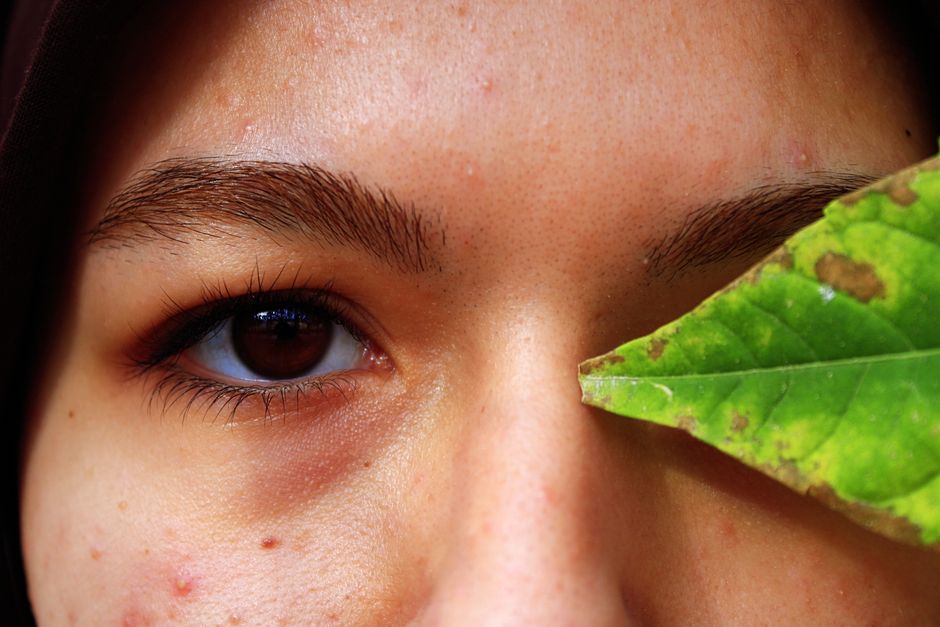
Those small, stubborn bumps on your skin that never seem to come to a head or go away are likely closed comedones, often called papules or simply clogged pores. The most effective way to get rid of them is consistent use of a non-comedogenic exfoliant like salicylic acid or a retinoid, combined with a gentle, non-irritating routine. Drying out or aggressively scrubbing these bumps usually makes them worse, not better.
What Exactly Are These Small Acne Bumps That Wont Clear?
These bumps are not the same as the red, inflamed pimples you might be used to. They are often flesh-colored, slightly rough to the touch, and can sit on your skin for weeks without changing. Dermatologists call them closed comedones or, if they are a bit larger and inflamed, papules.
They form when a pore gets blocked by dead skin cells and oil called sebum. The pore opening is tiny, so the bump stays small and doesn’t get oxygen. This is why it never turns black like a blackhead. It is simply a microscopic traffic jam under your skin’s surface.
Research published in the Journal of the American Academy of Dermatology shows that these bumps are one of the most common reasons people visit a dermatologist. They are stubborn because the blockage is deep and the skin’s natural shedding process is not working efficiently enough to clear it on its own.
Does Salicylic Acid Actually Work for These Stubborn Bumps?
Yes, salicylic acid is one of the few ingredients with strong evidence behind it for this specific problem. It is a beta hydroxy acid, which means it is oil-soluble. It can penetrate into the pore and dissolve the sebum and dead skin cells that are causing the blockage.
A study in the Journal of Cosmetic Dermatology found that 2% salicylic acid significantly reduced the number of comedones after 8 weeks of daily use. It works by exfoliating inside the pore, not just on the surface. This is key because surface scrubs cannot reach the root of the problem.
You can find 2% salicylic acid in over-the-counter toners, pads, or gels. Start using it once a day at first. If your skin gets dry or flaky, switch to every other day. It is not a quick fix. You will likely need to use it for at least 4 to 6 weeks before you see a real change.
What About Retinoids Like Differin or Tretinoin?
Retinoids are the gold standard treatment for comedonal acne according to the American Academy of Dermatology. They work by speeding up your skin cell turnover rate. This prevents dead cells from piling up and blocking pores in the first place.
Adapalene, sold over the counter as Differin, is a retinoid specifically approved by the FDA for acne. A 2018 study in the Journal of Drugs in Dermatology showed that adapalene 0.1% gel was as effective as prescription retinoids for treating comedones but with less irritation. It is a solid first choice if salicylic acid alone is not cutting it.
Prescription options like tretinoin are stronger but also more irritating. They can cause redness, peeling, and sun sensitivity. If you go this route, start with a pea-sized amount every third night and use sunscreen every single morning. The irritation usually subsides after two to four weeks as your skin adjusts.
One non-obvious point: you should not use salicylic acid and a retinoid at the same time of day. This combination can be very drying. Use the salicylic acid in the morning and the retinoid at night, or alternate nights.





What Skincare Mistakes Are Making These Bumps Worse?
Many people try to scrub these bumps off. Physical exfoliants like gritty scrubs or cleansing brushes can cause micro-tears in the skin. This triggers inflammation and can turn a small bump into a red, sore pimple. Stop scrubbing.
Another common mistake is using heavy moisturizers or makeup that contains ingredients that clog pores. Look for the term “non-comedogenic” on the label. Avoid products with cocoa butter, coconut oil, or isopropyl myristate. These are known pore-cloggers for many people.
Over-washing your face is also a problem. Washing more than twice a day strips your skin of its natural oils. Your skin responds by producing even more oil to compensate, which can worsen the clogging. Stick to a gentle cleanser morning and night.
Picking or squeezing these bumps is the worst thing you can do. They do not have a head to pop. Squeezing pushes the blockage deeper into the skin, causing inflammation and possible scarring. Leave them alone.
How To Get Rid Of Small Acne Bumps That Wont Clear: A Practical Comparison
Here is a simple comparison of the two most effective treatments so you can decide what fits your skin and lifestyle best.
| Treatment | How It Works | Typical Results Timeline | Main Side Effect |
|---|---|---|---|
| Salicylic Acid (2%) | Dissolves oil and dead skin inside the pore | 4 to 8 weeks | Mild dryness, stinging |
| Adapalene (Differin 0.1%) | Speeds up skin cell turnover to prevent clogs | 8 to 12 weeks | Redness, peeling, sun sensitivity |
Both treatments require patience. If you stop after two weeks because you see no change, you are giving up before the medication has a chance to work. Consistency is more important than strength.
When Should You See a Dermatologist for These Bumps?
If you have used salicylic acid or a retinoid consistently for three months and see no improvement, it is time to see a professional. A dermatologist can prescribe stronger medications or perform in-office treatments that you cannot do at home.
One option is prescription azelaic acid. It is less irritating than a retinoid and works well for people with sensitive skin. A 2020 review in the Journal of Clinical and Aesthetic Dermatology found azelaic acid 15% gel effective for comedonal acne with minimal side effects.
Another option is extraction. A dermatologist or licensed esthetician can use a sterile tool to gently remove the blockage. This is not something you should try yourself at home. Doing it wrong causes scarring and infection.
Chemical peels with higher concentrations of salicylic acid or glycolic acid are also effective. These are done in a clinic and can provide faster results than home treatments. They are not a one-time fix. You usually need a series of three to six peels spaced a few weeks apart.
Frequently Asked Questions
Can toothpaste get rid of small acne bumps?
No. Toothpaste contains ingredients that can irritate and burn your skin, making bumps redder and more inflamed. There is no evidence it helps.
How long does it take for salicylic acid to clear bumps?
Most people see improvement after 4 to 6 weeks of consistent daily use. Full clearing can take up to 12 weeks.
Are these bumps caused by dairy or sugar in my diet?
Some studies suggest a link between high-glycemic foods and dairy with acne, but the evidence is not strong enough to recommend cutting them out for everyone.
Should I use a face mask to treat these bumps?
Clay masks can help absorb surface oil temporarily but they do not unclog pores deeply enough to clear stubborn bumps on their own.
