
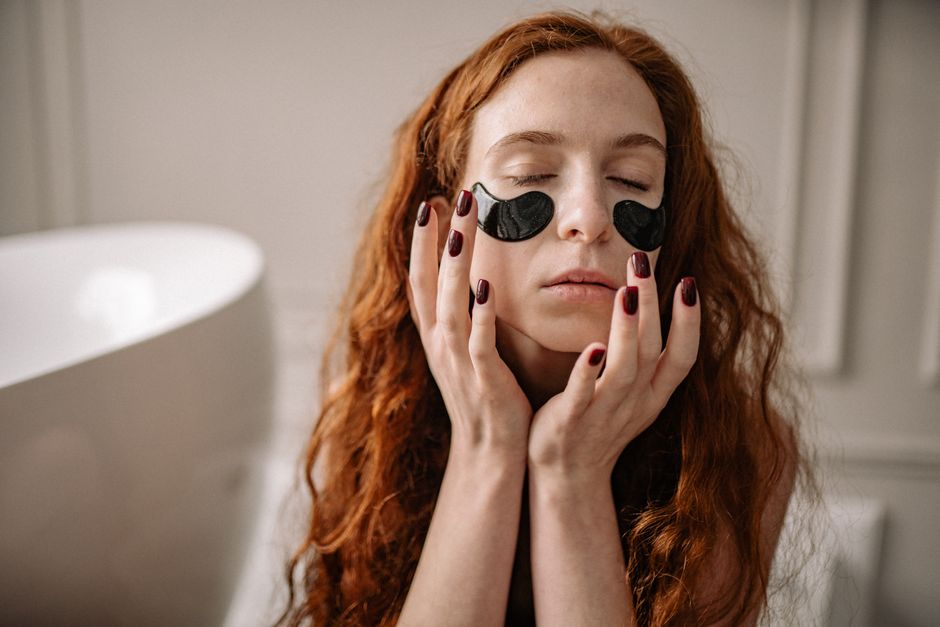
Puffy under-eyes usually come from fluid collecting in the thin tissue beneath your lower eyelid, and the fastest natural fix is cooling the area while you get your head elevated. A cold compress for a few minutes, plus sleeping with your head slightly raised, helps that fluid drain. If the puffiness is from poor sleep, alcohol, or a salty meal the night before, it often settles within a few hours on its own.
That covers the quick answer. The rest of this article explains why the fluid builds up, what actually works, and when under-eye puffiness is something a doctor should look at.
What actually causes puffy under eyes?
The skin under your eyes is among the thinnest on your body, and the tissue beneath it is loosely structured. That combination makes it easy for fluid to pool there.
Most puffiness is fluid retention, medically called periorbital edema. When you lie flat, gravity no longer pulls fluid downward, so it settles in the loosest tissue available — which is right under your eyes. This is why almost everyone looks puffier in the morning.
Several things make it worse:
- Eating a high-salt meal the night before. Sodium makes your body hold onto water.
- Alcohol, which affects fluid balance and often disrupts sleep.
- Not enough sleep, or sleeping flat on your back.
- Crying, which sends fluid and salt to the area.
- Hormonal shifts, including those around the menstrual cycle.
- Allergies, which cause swelling and fluid buildup around the eyes.
- Aging. The tissue that supports the under-eye area weakens over time, so fat pads shift forward and fluid pools more easily.
Some puffiness is not fluid at all. Under-eye bags that are always present, in the morning and at night, are often structural — the result of genetics, fat pads, or skin changes with age. Those do not respond much to cold compresses or lifestyle tweaks.
How do you get rid of puffy under eyes naturally fast?
Cooling and elevating are the two fastest natural approaches, because both work on the fluid itself.
Cold compress. Cold narrows blood vessels and reduces fluid accumulation. A cool, damp washcloth, a chilled gel eye mask, or cold spoons work fine. Keep it on for a few minutes at a time — you do not need long. Cold also calms itching and irritation if allergies are part of the problem.
Elevation. Sleeping with your head raised on an extra pillow or two lets gravity help fluid drain overnight instead of pooling. If you wake up puffy, sitting or standing upright for a while helps the same way.
Gentle massage. Light pressure with a clean fingertip, moving from the inner corner outward, may help move fluid along. Keep it gentle. The skin here is delicate and rubbing hard can irritate it.
Cold cucumber or tea bags. These are popular, and the cold is doing most of the work. There is no strong evidence that cucumber or tea compounds themselves do anything beyond the cooling effect. Cold water on a cloth would give you much of the same result.
None of this is a permanent fix. It reduces fluid that has already collected. To keep it from coming back, you have to address what caused it.
Does drinking more water really help under-eye puffiness?
Hydration matters for skin health, but the popular claim that drinking more water flushes out under-eye puffiness is not well supported.
The puffiness is usually caused by fluid balance and sodium, not by dehydration. In fact, your body holds onto water when sodium is high, not when water intake is low. Drinking water does not directly “flush” the under-eye area.
That said, staying normally hydrated is reasonable for overall health, and cutting back on salt is more likely to help the puffiness than adding water is. If you are consistently dehydrated, that can affect skin appearance, but it is not the main driver of morning under-eye bags.





What lifestyle changes reduce under-eye puffiness over time?
If puffiness keeps returning, the cause is usually something recurring in your routine. These changes address the source rather than the symptom.
Lower your sodium intake. This is one of the most direct levers. A salty dinner reliably shows up under the eyes the next morning for many people. Reducing processed and restaurant food can make a visible difference.
Limit alcohol, especially before bed. Alcohol affects fluid balance and sleep quality, both of which show up around the eyes.
Get consistent sleep. Sleep position and duration both matter. Back-sleeping with your head elevated reduces morning pooling. Short or broken sleep tends to make puffiness worse.
Manage allergies. If itching, redness, or watery eyes come with the puffiness, allergies may be the cause. Avoiding triggers and talking to a clinician about allergy treatment can reduce the swelling.
Be gentle with the skin. Rubbing your eyes, harsh scrubbing, and irritating products can all make the area look worse.
Watch your salt and alcohol together. A late, salty meal with alcohol is a common recipe for the puffiest mornings. It is not a coincidence.
Do creams, cucumber slices, and home remedies actually work?
Most under-eye creams and home remedies have limited evidence behind them. It is worth being honest about that.
Cold cucumber slices work mainly because they are cold. Chilled tea bags work mainly because they are cold and slightly astringent from the tannins, though the evidence that tannins meaningfully reduce puffiness is thin. The cooling is the real mechanism.
Caffeine-containing eye creams are marketed for puffiness. Some small studies suggest caffeine applied to the skin may temporarily constrict blood vessels and reduce the look of puffiness, but the effect is modest and short-lived. It is not a lasting solution.
Many creams claim to reduce bags through ingredients like peptides or vitamins. The evidence for most of these is limited, and results vary. No cream removes structural fat pads or reverses age-related skin changes. If a product promises permanent results, that is a marketing claim, not a documented one.
One clarification worth knowing: the difference between puffiness and true bags. Puffiness is fluid and fluctuates — better some mornings, worse others. True under-eye bags are structural, fairly constant, and generally not fixable with home remedies. If yours are always there, no amount of cold compresses will change them much.
When should you see a doctor about puffy under eyes?
Most under-eye puffiness is harmless and temporary. Some cases point to something that needs medical attention.
See a clinician if the puffiness:
- Comes on suddenly and is severe
- Affects only one eye, especially with pain, redness, or vision changes
- Comes with swelling elsewhere, such as the legs or ankles
- Is accompanied by shortness of breath, fatigue, or weight changes
- Does not improve and keeps getting worse
Persistent or one-sided swelling can have causes that a doctor needs to sort out, including thyroid conditions, kidney or heart issues, or other medical problems. This is not something to self-diagnose. If you are unsure, a medical visit is the right move.
For ordinary morning puffiness, the natural steps above are reasonable and low-risk. Just keep expectations realistic. They reduce fluid that has collected. They do not change your genetics or reverse aging.
Frequently Asked Questions
How do you get rid of puffy under eyes fast?
Apply a cold compress for a few minutes and keep your head elevated so fluid can drain. If the cause was poor sleep, alcohol, or a salty meal, it often settles within a few hours.
Does drinking water reduce under-eye puffiness?
No, drinking more water does not directly flush out under-eye puffiness, since the swelling is usually about fluid balance and sodium. Cutting back on salt is more likely to help.
Are under-eye bags and puffiness the same thing?
No, puffiness is temporary fluid that comes and goes, while true bags are structural and fairly constant. Structural bags generally do not respond much to cold compresses or lifestyle changes.
When should puffy under eyes worry you?
See a doctor if the swelling is sudden, affects only one eye, comes with pain or vision changes, or appears alongside swelling in the legs or shortness of breath. Persistent or one-sided swelling should always be checked.
