
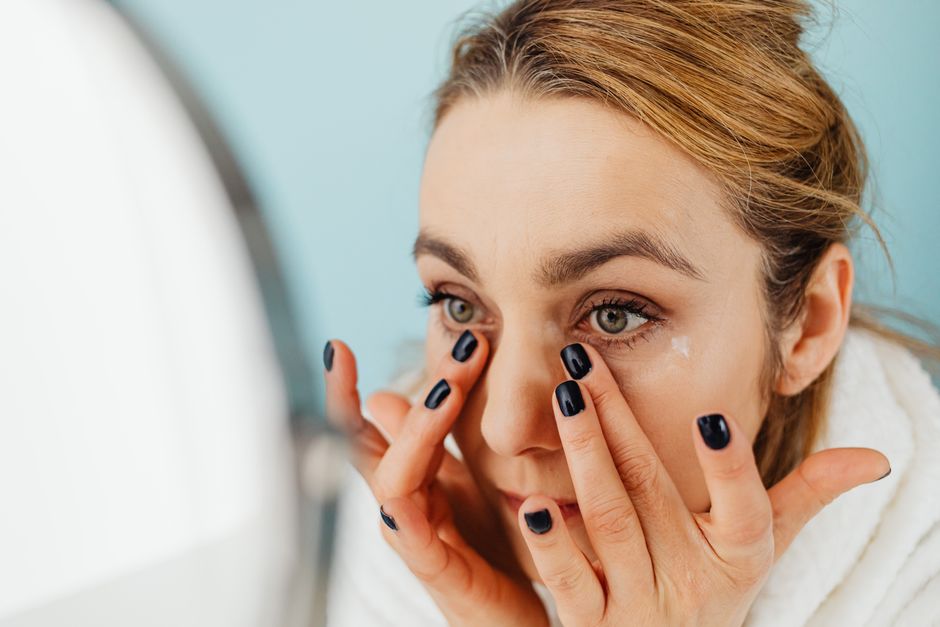
Waking up with puffy eyes is frustrating, but the fix is usually simpler than you think. The quickest way to reduce morning puffiness is a cold compress applied for 10 minutes. Cold constricts blood vessels and brings swelling down fast. For most people, that single step is enough to look normal again.
What Actually Causes Puffy Eyes In The Morning?
Puffy eyes happen when fluid builds up in the thin skin around your eyes. This area has almost no fat to hide swelling. The medical term is periorbital edema.
While you sleep, gravity stops pulling fluid down toward your feet. Fluid can pool around your eyes instead. This is normal and temporary. It usually clears within an hour of being upright.
But some people wake up with worse puffiness than others. Salt intake is a major factor. A high-sodium dinner makes your body hold onto water. That extra fluid has to go somewhere, and the eye area is a common spot.
Allergies are another common cause. Histamine release makes blood vessels leaky. Fluid escapes into surrounding tissue. If your eyes are also itchy or red, allergies are likely the culprit.
Sleep position matters too. Sleeping face down presses your face into the pillow. This restricts drainage and traps fluid. Sleeping on your back with your head slightly elevated helps prevent this.
Does A Cold Compress Actually Work?
Yes. Cold therapy is the most evidence-backed home remedy for puffy eyes. Research shows that cold constricts blood vessels and reduces fluid accumulation in tissues. This is not hype. It is basic physiology.
A 2015 study published in the Journal of Cosmetic Dermatology found that cold application significantly reduced periorbital edema within minutes. The effect is temporary, lasting about 30 to 60 minutes. But that is usually enough to get through your morning routine.
You do not need anything fancy. A clean washcloth soaked in cold water works. So do chilled spoons or a gel eye mask kept in the fridge. Do not use ice directly on your eyelid. The skin there is very thin and can get frostbitten quickly.
Apply the cold compress for 5 to 10 minutes. Any longer and you risk numbing the area too much or causing rebound swelling when the tissue warms up too fast.
What About Caffeine And Other Topical Ingredients?
Many eye creams contain caffeine. There is some logic here. Caffeine is a vasoconstrictor, meaning it narrows blood vessels. In theory, this should reduce puffiness the same way cold does.
Some studies suggest caffeine-based eye creams can reduce under-eye bags over several weeks of use. But for immediate morning puffiness, the evidence is weaker. Caffeine needs to penetrate the skin at a high enough concentration, and most over-the-counter products do not deliver that.
Other common ingredients include hyaluronic acid, which hydrates, and vitamin K, which some believe helps with circulation. The evidence for vitamin K is thin. A 2016 review in Clinical Interventions in Aging found no strong support for vitamin K in treating periorbital edema.
If you want to try a topical product, look for one with caffeine listed in the first few ingredients. Apply it after your cold compress. The cold opens the door for better absorption.





What Role Does Diet Play In Morning Puffiness?
Diet has a bigger impact than most people realize. The link between sodium and fluid retention is well established. The American Heart Association recommends no more than 2,300 mg of sodium per day, but most Americans eat closer to 3,400 mg.
A single high-sodium meal can cause visible puffiness the next morning. This is especially true if you are not a regular high-sodium eater. Your body is not used to flushing the excess.
Alcohol is another culprit. It dehydrates you, and your body responds by holding onto water wherever it can. The eye area is a common spot. One drink might not cause issues, but several drinks the night before often lead to puffier eyes.
Potassium helps balance sodium levels. Foods like bananas, avocados, and sweet potatoes can help your body flush excess sodium. Eating these regularly may reduce how often you wake up puffy.
Hydration matters too. If you are dehydrated, your body holds onto water more aggressively. Drinking enough water throughout the day keeps your fluid balance steady. Aim for clear or light yellow urine as a simple check.
How To Get Rid Of Puffy Eyes In The Morning With Simple Lifestyle Changes
You can reduce how often puffiness happens by adjusting a few habits. These changes do not require products or money. They just require consistency.
Sleep on your back with an extra pillow. Elevating your head by a few inches helps gravity drain fluid away from your face. Side sleepers can try a cervical pillow that keeps the head aligned and slightly elevated.
Wash your face before bed. Makeup, dirt, and pollen can irritate your eyes overnight. A gentle cleanser removes these triggers. If you have allergies, this step is especially important.
Use a humidifier in your bedroom. Dry air can irritate the eyes and skin, leading to inflammation. Keeping humidity between 40 and 60 percent helps your skin stay hydrated and less reactive.
Limit salty snacks in the evening. A bag of chips before bed is a direct ticket to puffier eyes the next morning. If you crave something salty, pair it with a glass of water to dilute the sodium load.
Here is a quick comparison of common remedies and their evidence level:
| Remedy | Evidence Level | Works For Immediate Puffiness? |
|---|---|---|
| Cold compress | Strong | Yes |
| Caffeine eye cream | Moderate | Possibly |
| Elevated sleeping position | Strong | Prevention, not cure |
| Reducing sodium | Strong | Prevention, not cure |
| Tea bags (caffeinated) | Weak | Unlikely |
| Vitamin K cream | Weak | No |
What Should You Avoid When Trying To Reduce Puffy Eyes?
Some popular remedies are not backed by evidence and can even make things worse. Cucumber slices are a classic example. They look nice and feel cool, but they do not contain any active ingredient that reduces swelling. The cooling effect comes from being refrigerated, not from the cucumber itself. A cold washcloth does the same thing more effectively.
Tea bags are another common recommendation. The idea is that caffeine in tea constricts blood vessels. But the caffeine concentration in a used tea bag is very low. You are mostly applying warm, wet plant matter to your eye area. This can actually irritate sensitive skin.
Rubbing your eyes is a bad idea. It breaks small blood vessels and can make puffiness worse. If your eyes are itchy from allergies, rubbing releases more histamine, creating a cycle of more swelling.
Do not use harsh scrubs or exfoliants near your eyes. The skin there is the thinnest on your body. Abrasive products cause micro-tears and inflammation. Stick to gentle, fragrance-free products if you use anything at all.
Some people try diuretics like dandelion tea or over-the-counter water pills. This is not recommended. Diuretics can dehydrate you and cause electrolyte imbalances. Your body will then hold onto water even more aggressively the next day.
When Should You See A Doctor About Puffy Eyes?
Occasional morning puffiness is normal and harmless. But persistent or severe puffiness can signal something else. If your eyes stay puffy all day despite home remedies, it is worth checking with a doctor.
Thyroid disease can cause periorbital edema. So can kidney problems. If you notice puffiness along with fatigue, weight changes, or swelling in your legs, mention it to your healthcare provider.
Allergic reactions can also cause sudden swelling. If your eyes swell rapidly after exposure to a new product, food, or environment, stop using the trigger. An antihistamine may help. If swelling is severe or affects your breathing, seek emergency care.
One red flag is puffiness that is worse on one side only. This could indicate an infection like a stye or cellulitis. If the area is red, warm, or painful, see a doctor.
Most people do not need medical treatment for morning puffiness. But if it becomes a daily problem that does not respond to cold compresses and lifestyle changes, it is worth getting checked. A simple blood test can rule out the most common underlying causes.
Frequently Asked Questions
How long does it take for puffy eyes to go down in the morning?
Most people see improvement within 10 to 15 minutes of applying a cold compress. Without any treatment, puffiness usually resolves within one to two hours as gravity helps drain the fluid.
Can drinking water before bed prevent puffy eyes?
Drinking water before bed can actually make puffiness worse because your body processes fluids more slowly while you sleep. Staying hydrated throughout the day is better than drinking a lot right before bed.
Is it safe to use ice directly on puffy eyes?
No. Ice directly on the eyelid can damage the thin skin and cause frostbite. Always wrap ice in a cloth or use a gel pack that stays above freezing temperature.
Does lack of sleep cause puffy eyes?
Yes. Poor sleep affects circulation and fluid drainage around the eyes. Chronic sleep deprivation also raises cortisol levels, which can cause fluid retention and make puffiness worse.
