
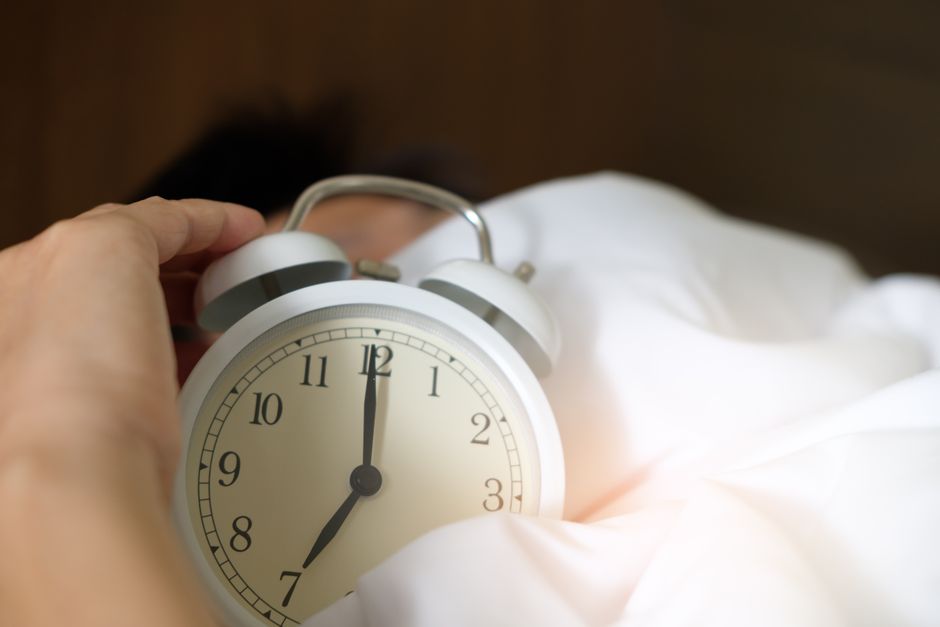
Waking up tired every morning is frustrating, but it is usually fixable. The most common causes include not getting enough sleep, poor sleep quality due to sleep apnea or other disorders, and lifestyle factors like stress or irregular schedules. Fixes often start with improving sleep hygiene and seeing a doctor to rule out medical conditions.
What Are the Most Common Causes of Morning Fatigue?
Most people who wake up tired are not getting enough sleep. Adults need 7 to 9 hours per night. Sleeping less than 7 hours regularly leads to sleep debt. That debt builds up and leaves you exhausted even after a full night in bed.
Poor sleep quality is another major cause. Even if you spend 8 hours in bed, your sleep may be light or interrupted. Conditions like sleep apnea cause brief awakenings you do not remember, but they prevent deep restorative sleep. Other causes include restless legs syndrome, chronic pain, or a noisy sleep environment.
Medical conditions contribute too. Anemia, an underactive thyroid, and diabetes can all cause fatigue. Depression and anxiety also disturb sleep and drain energy. Some medications have drowsiness or sleep disruption as side effects.
Does Sleep Apnea Make You Wake Up Tired?
Yes, sleep apnea is one of the most common medical causes of morning fatigue. In obstructive sleep apnea, your airway collapses during sleep, stopping breathing for 10 seconds or more. Your brain wakes you just enough to start breathing again, sometimes hundreds of times a night.
Most people with sleep apnea do not remember these awakenings. But the constant interruptions prevent deep sleep stages. You may sleep for 8 hours but feel like you barely slept. Loud snoring, gasping, or choking sounds during sleep are warning signs. A partner may notice your breathing stops. A sleep study is needed for diagnosis. Treatment typically involves a CPAP machine that keeps the airway open during sleep.
Can Insomnia Cause You to Wake Up Tired Every Morning?
Yes. Insomnia is difficulty falling asleep, staying asleep, or waking too early. Even if you fall asleep quickly, you may wake up several times at night and struggle to return to sleep. This leaves you tired in the morning.
Insomnia can be short-term due to stress or long-term. Chronic insomnia lasts at least three months and occurs at least three nights per week. It is linked to anxiety, depression, and certain medical conditions. The first-line treatment is cognitive behavioral therapy for insomnia (CBT-I), which helps you change thoughts and habits that interfere with sleep. Sleep medications may be used short term, but they are not a long-term solution for most people.





What Medical Conditions Cause Morning Fatigue?
Several medical conditions can make you wake up tired. Anemia means your blood does not carry enough oxygen to your body’s tissues. This makes you feel weak and exhausted, especially in the morning. An underactive thyroid (hypothyroidism) slows your metabolism and causes fatigue even after a full night of sleep.
Diabetes, both type 1 and type 2, can cause morning fatigue. High or low blood sugar levels during the night disrupt sleep and leave you drained. Chronic pain conditions like fibromyalgia and arthritis also interfere with deep sleep. Depression and anxiety are very common causes of morning tiredness. They affect your sleep cycles and lower your energy. If you feel sad, hopeless, or worried most of the time, talk to a doctor.
Why Do I Wake Up Tired Every Morning? Causes and Fixes
The combination of poor sleep habits, undiagnosed sleep disorders, and medical conditions explains most cases. Fixes depend on the root cause. Improving sleep hygiene helps almost everyone.
- Set a consistent sleep schedule. Go to bed and wake up at the same time every day, even on weekends. This trains your internal clock.
- Create a relaxing bedtime routine. Dim lights an hour before bed. Read a book, take a warm bath, or do gentle stretches. Avoid screens because blue light suppresses melatonin.
- Limit caffeine and alcohol. Caffeine stays in your system for hours. Avoid it after 2 pm. Alcohol may help you fall asleep but disrupts sleep later in the night.
- Make your bedroom cool, dark, and quiet. Keep the temperature between 60 and 67°F. Use blackout curtains or a sleep mask. Use earplugs or a white noise machine if needed.
- Exercise regularly but not too close to bedtime. Moderate exercise during the day improves sleep quality. Avoid vigorous exercise within 2 hours of bedtime.
- Check your mattress and pillow. If they are over 8 years old, they may not support you properly. Replace them if you wake up with aches.
When Should You See a Doctor for Morning Fatigue?
If you have tried improving sleep hygiene for 2 weeks and still wake up tired every morning, see a doctor. Also consult a doctor if you have any of these signs: loud snoring with gasping or choking, frequent headaches when waking up, needing to urinate several times at night, or feeling excessively sleepy during the day (falling asleep at work or while driving).
Your doctor can check for medical conditions with a simple blood test. That test can detect anemia, thyroid problems, and blood sugar issues. If sleep apnea is suspected, you may need a sleep study. Do not delay treatment. Untreated sleep apnea raises your risk of high blood pressure, heart disease, and stroke.
Can Stress or Anxiety Make You Wake Up Tired?
Yes. Stress and anxiety keep your nervous system on alert. Even if you are asleep, your brain may not fully relax. This leads to lighter sleep and more awakenings. You may also spend more time in rapid eye movement (REM) sleep and less in deep sleep, which is the restorative stage.
People with anxiety often replay worries at night. This can make falling asleep hard and lead to early morning waking. Managing stress through exercise, talk therapy, or relaxation techniques can improve both sleep quality and morning energy.
Frequently Asked Questions
Why do I wake up tired even after 8 hours of sleep?
You may have poor sleep quality due to sleep apnea, restless legs, or another disorder. Even if you are in bed 8 hours, your brain may not be getting enough deep sleep.
What blood tests check for morning fatigue?
A complete blood count (CBC) checks for anemia, a thyroid panel checks your thyroid function, and a fasting glucose test checks for diabetes. Your doctor may also check vitamin B12 and iron levels.
Is waking up tired a sign of depression?
Yes, morning fatigue is a common symptom of depression. Depression can disrupt your sleep cycles and lower your energy. If you also feel sad or lose interest in things, talk to a doctor.
Can my diet make me wake up tired?
Yes. Eating a heavy meal late at night can disrupt sleep. Low iron or vitamin B12 can cause fatigue. Dehydration also worsens morning tiredness. Drink enough water during the day and avoid large meals within 2 hours of bedtime.
