
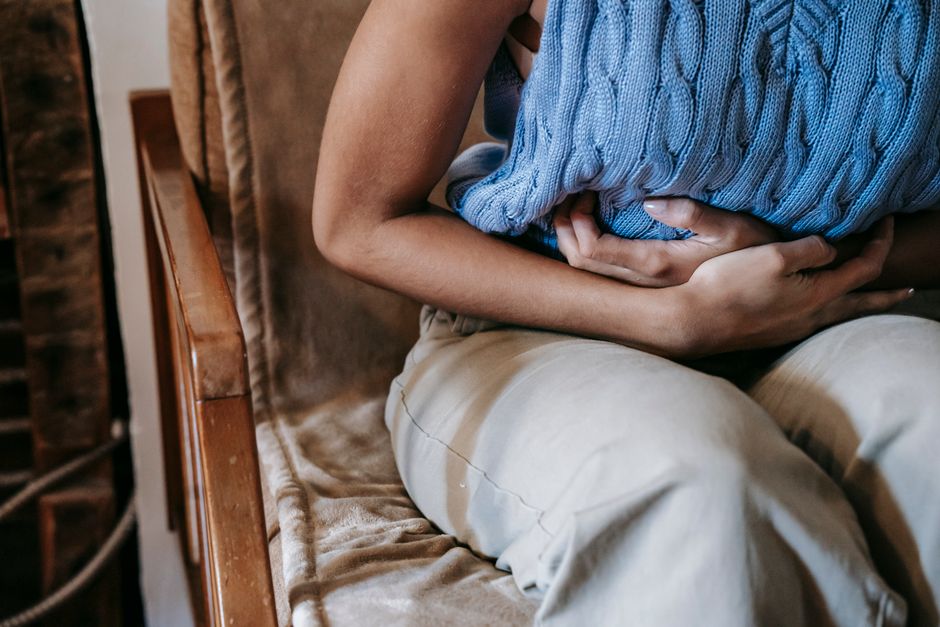
That heavy, tight feeling in your belly before your period starts is real. It is not in your head. PMS bloating happens because your body holds onto extra water and your digestion slows down right before menstruation. The good news is that simple diet changes, smart supplement choices, and a few lifestyle tweaks can reduce the bloat significantly. Here is what actually works based on current evidence.
What Causes PMS Bloating in the First Place?
PMS bloating is not about eating too much salt the night before. It is driven by hormonal shifts that happen in the second half of your menstrual cycle. After ovulation, progesterone levels rise. Progesterone slows down your digestive tract. Food moves through your system more slowly, which leads to gas and that stretched feeling.
At the same time, estrogen levels fluctuate. Estrogen affects how your body handles sodium and water. When estrogen drops right before your period, your kidneys hold onto more sodium. Water follows sodium. That is where the water retention comes from. Studies have found that women can retain up to two to three pounds of extra water in the days before menstruation.
There is also a third factor. Prostaglandins are hormone-like chemicals that help your uterus shed its lining. They can also cause inflammation in your gut. That adds to the bloating sensation. So you are dealing with three things at once: slower digestion, water retention, and inflammation.
What Diet Changes Help Reduce PMS Bloating Fast?
Your diet has the most immediate impact on bloating. Start with potassium-rich foods. Potassium helps balance sodium in your body. A banana, a handful of spinach, or a baked potato with the skin on can help your kidneys flush out extra water. Current research suggests that women who eat more potassium before their period report less bloating.
Cut back on sodium in the week before your period. That does not mean just avoiding the salt shaker. Processed foods are the biggest source of hidden sodium. Canned soups, frozen dinners, deli meats, and salty snacks all add up. Try to keep your sodium intake under 2,300 milligrams per day during that week. That is about one teaspoon of salt total from all sources.
Eat smaller meals more frequently. Your digestion is slower during this time. A large meal sits in your stomach longer and produces more gas. Eating five to six small meals spread throughout the day puts less pressure on your digestive system.
Fiber is helpful but you have to be careful. Soluble fiber from oats, apples, and carrots helps move food through your gut. Insoluble fiber from raw vegetables and bran can actually make bloating worse if you are not used to it. Stick with cooked vegetables and whole grains during PMS week.
Do Diuretics and Water Pills Actually Work for PMS Bloating?
Over-the-counter diuretics are a common choice for PMS bloating. They work by telling your kidneys to remove more water from your blood. But there are real downsides. Diuretics can flush out potassium along with water. Low potassium causes muscle cramps, fatigue, and irregular heartbeat.
Some studies suggest that mild diuretic use for a few days before your period is safe for most women. But the evidence is not strong. A 2022 review of PMS treatments found only limited support for diuretics. Most of the research is old and small.
Natural diuretics like dandelion root and parsley are widely claimed to help. Some people report less bloating after drinking dandelion tea. As of 2026, there is no clinical evidence that these herbs reduce PMS bloating better than plain water. They may work for some women through a placebo effect or simply because they increase fluid intake.
A safer approach is to drink more water. It sounds backwards but it works. When you are dehydrated, your body holds onto every drop of water it has. Drinking enough water tells your kidneys that it is safe to release fluid. Aim for eight to ten glasses of water per day in the week before your period.



What Supplements Have Good Evidence for PMS Bloating?
| Supplement | What Evidence Shows | Typical Dose |
|---|---|---|
| Calcium | Strongest evidence. Studies show 1,200 mg daily reduces PMS symptoms including bloating by up to 48 percent. | 1,000-1,200 mg daily |
| Magnesium | Moderate evidence. Helps with water retention and bloating. Works best when paired with vitamin B6. | 300-400 mg daily |
| Vitamin B6 | Some evidence. May help reduce bloating when taken with magnesium. High doses can cause nerve damage so stick with 100 mg or less. | 50-100 mg daily |
| Vitex (Chasteberry) | Mixed evidence. Some studies show reduction in PMS symptoms but results vary widely between women. | 400 mg daily |
Calcium is the supplement with the most research behind it. A large study from the University of Massachusetts found that women who took 1,200 milligrams of calcium daily had significantly less bloating and water retention. It takes about two to three months of consistent use to see the full benefit. Start at the beginning of your cycle for best results.
Magnesium helps because it relaxes smooth muscle. That includes the muscles in your digestive tract. When your gut is less tense, gas moves through more easily. Some studies suggest magnesium also reduces the amount of water your body holds onto during PMS. Look for magnesium glycinate or citrate forms. Magnesium oxide is cheaper but absorbs poorly.
What Lifestyle Changes Reduce PMS Bloating Long Term?
Regular exercise is one of the most effective long-term strategies. Exercise helps your body flush out excess fluid through sweating. It also speeds up digestion. Women who exercise at least 30 minutes most days report less PMS bloating than sedentary women. The type of exercise matters less than consistency. Walking, swimming, cycling, or yoga all work.
Stress management is often overlooked. When you are stressed, your body produces more cortisol. Cortisol can worsen water retention and slow digestion. A 2021 study found that women who practiced deep breathing or meditation for 10 minutes daily had fewer PMS symptoms including bloating. This is not about eliminating stress entirely. It is about giving your body a break from the stress response.
Sleep quality also affects bloating. Poor sleep raises cortisol levels and disrupts the hormones that control your cycle. Women who get less than seven hours of sleep per night report more severe PMS symptoms. Try to keep a consistent sleep schedule, especially in the week before your period.
What to Avoid During PMS Week to Prevent Bloating
Carbonated drinks are a common trigger. The bubbles in soda, sparkling water, and beer are gas. That gas has to go somewhere. If your digestion is already slow, carbonation can make bloating worse. Stick with still water or herbal tea.
Sugar alcohols are another hidden cause. They are found in sugar-free gum, diet candies, and some protein bars. Sorbitol, xylitol, and mannitol are not fully absorbed by your body. They ferment in your gut and produce gas. Check labels during PMS week.
Dairy can be a problem for some women. Lactose intolerance is common and many women do not realize they have it. When your digestion is already sluggish, dairy may cause more gas and bloating. Try cutting out milk and cheese for a few days before your period and see if it helps.
Artificial sweeteners like sucralose and aspartame can also cause bloating in some people. They alter the bacteria in your gut, which can lead to gas production. If you use sweeteners regularly, try taking a break during PMS week.
Does Drinking More Water Actually Flush Out Bloating?
Yes, but not the way most people think. Drinking water does not directly wash sodium out of your body. What happens is more subtle. When you are well hydrated, your kidneys function better. They are more efficient at filtering blood and removing excess sodium. When you are dehydrated, your kidneys conserve sodium and water because they think you need it.
There is a specific mechanism at play. Your body has a system called the renin-angiotensin-aldosterone system. When you are dehydrated, this system tells your kidneys to hold onto sodium. Water follows. That is why dehydration can cause bloating. Proper hydration keeps this system quiet.
The trick is to drink water consistently throughout the day, not all at once. Sipping water steadily keeps your kidneys working at their best. Chugging a large amount of water at once can overwhelm your kidneys and actually cause your body to retain some of it. Aim for a glass of water every two to three hours during PMS week.
Frequently Asked Questions About get rid of pms bloating
How long does PMS bloating usually last?
PMS bloating typically starts five to seven days before your period and goes away within one to two days after bleeding begins. It lasts as long as progesterone and estrogen levels are out of balance.
Can birth control pills help with PMS bloating?
Some women find that hormonal birth control reduces bloating because it keeps hormone levels more stable. The effect varies by person and by the type of pill. It is worth discussing with your doctor.
Is PMS bloating a sign of something more serious?
Occasional bloating before your period is normal. If bloating is severe, lasts longer than two weeks, or happens at other times in your cycle, talk to a doctor. It could be a sign of ovarian cysts, endometriosis, or irritable bowel syndrome.
What is the fastest way to relieve PMS bloating?
Drinking a glass of water and eating a potassium-rich food like a banana can provide relief within an hour. Gentle movement like a short walk also helps by stimulating digestion and reducing fluid retention.
