
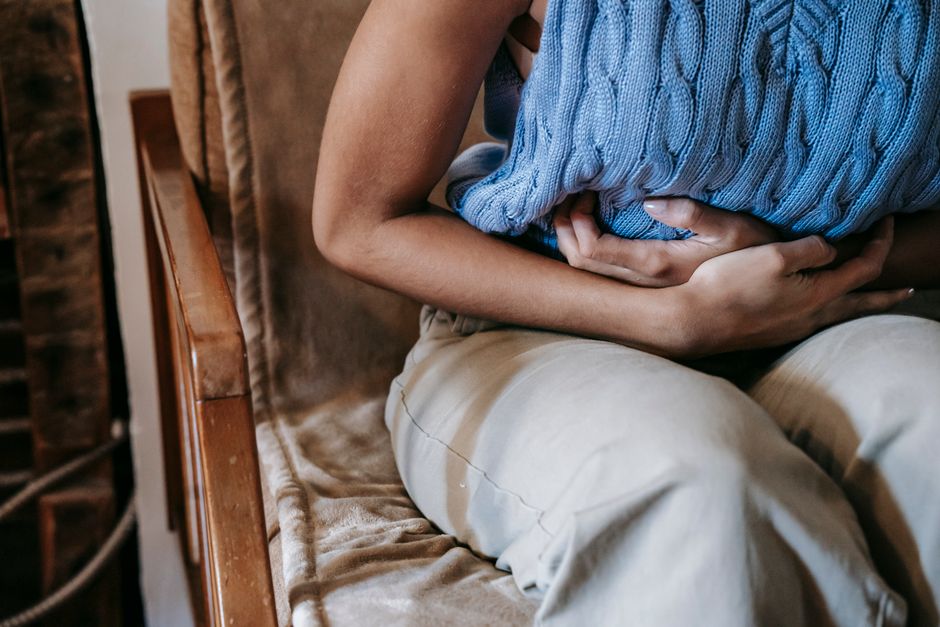
Bloating happens when your digestive tract fills with gas or air causing visible swelling and discomfort in your abdomen. Most episodes can be relieved within 30 minutes to a few hours using simple methods like walking, staying hydrated, or applying heat. The fastest relief comes from addressing what triggered the bloating in the first place — whether that was eating too quickly, consuming gas-producing foods, or swallowing excess air.
What Causes Bloating to Happen So Quickly?
Gas builds up in your intestines when bacteria break down undigested food. This is a normal digestive process but certain foods accelerate it significantly. Beans, cruciferous vegetables like broccoli and cabbage, and high-fiber foods produce more gas during digestion. Carbonated drinks add gas directly to your system.
Swallowing air contributes more than most people realize. Eating too fast, chewing gum, drinking through straws, and talking while eating all cause you to gulp air. That air has to go somewhere. Stress and anxiety can also make you swallow more air without noticing.
Food intolerances create bloating when your body cannot properly digest certain substances. Lactose intolerance affects about 68% of the global population according to estimates from the National Institutes of Health. Without enough lactase enzyme, dairy products ferment in your gut causing gas and bloating within 30 minutes to 2 hours.
Constipation backs up your system and traps gas. When stool moves slowly through your colon, gas cannot escape as easily. The longer waste sits in your intestines, the more bacterial fermentation occurs. Hormonal changes during menstruation cause many women to retain water and experience bloating in the days before their period starts.
Does Walking Actually Help Get Rid of Bloating Fast?
Walking helps move gas through your digestive tract more efficiently. Physical movement stimulates peristalsis — the wave-like muscle contractions that push contents through your intestines. A 2019 study in the Scandinavian Journal of Gastroenterology found that light physical activity reduced bloating symptoms in people with irritable bowel syndrome.
You do not need intense exercise. A gentle 10-15 minute walk after eating can prevent gas from becoming trapped. The upright position also helps. Lying down immediately after eating can slow digestion and allow gas to accumulate in uncomfortable pockets.
Walking works best for bloating caused by excess gas rather than water retention. If your bloating comes from hormonal changes or high sodium intake, movement alone will not provide quick relief. Combining walking with other methods tends to work better than relying on any single approach.
What Foods and Drinks Help Relieve Bloating Quickly?
Peppermint tea relaxes the muscles in your digestive tract. Research shows peppermint oil can reduce bloating and abdominal pain in people with digestive disorders. The menthol in peppermint has an antispasmodic effect that helps release trapped gas. Warm liquids in general encourage digestion and can provide comfort.
Ginger has been used for digestive complaints for centuries. Studies indicate ginger speeds up stomach emptying which can reduce the feeling of fullness and pressure. Fresh ginger tea or small amounts of raw ginger may help though evidence for bloating specifically is limited.
Plain water helps in multiple ways. Adequate hydration prevents constipation which reduces gas buildup. Water also helps flush excess sodium from your system if water retention is contributing to your bloating. Aim for steady intake throughout the day rather than drinking large amounts at once.
Certain fruits contain enzymes that aid digestion. Papaya has papain and pineapple contains bromelain — both help break down proteins. These may reduce bloating after a heavy meal though the effect is modest. Eating these fruits between meals works better than eating them with a large amount of other food.
| Remedy | How It Works | Time to Effect |
|---|---|---|
| Peppermint tea | Relaxes digestive muscles, releases trapped gas | 15-30 minutes |
| Walking | Stimulates peristalsis, moves gas through intestines | 10-30 minutes |
| Warm compress | Relaxes abdominal muscles, provides comfort | 10-20 minutes |
| Ginger tea | Speeds stomach emptying, reduces pressure | 20-45 minutes |





What Are the Best Positions to Release Gas and Reduce Bloating?
Certain yoga poses specifically help release trapped gas. The wind-relieving pose involves lying on your back and pulling your knees to your chest. This position compresses your abdomen and helps move gas toward the exit. Hold for 30 seconds and repeat several times.
The child’s pose also creates gentle abdominal pressure. Kneel on the floor, sit back on your heels, and fold forward with your arms extended. This position massages your internal organs and can trigger gas release within minutes.
Lying on your left side takes advantage of your digestive anatomy. Your stomach and pancreas are positioned on the left side of your body. This position can help food and gas move more naturally through your system. Some people find relief within 10-20 minutes.
Standing and stretching your arms overhead while taking deep breaths can also help. The expansion of your rib cage creates more space in your abdomen and the deep breathing can help relax tense muscles that might be trapping gas.
Should You Take Over-the-Counter Medications for Fast Bloating Relief?
Simethicone breaks up gas bubbles in your digestive tract making them easier to pass. It works by reducing surface tension so smaller bubbles combine into larger ones. Most people notice some effect within 30 minutes though the evidence for its effectiveness is mixed. It is generally safe with minimal side effects.
Digestive enzymes can help if you have trouble breaking down certain nutrients. Lactase supplements work for lactose intolerance. Alpha-galactosidase products like Beano help digest complex carbohydrates in beans and vegetables. These need to be taken right before eating the problematic food — they do not work retroactively.
Activated charcoal is widely marketed for bloating but evidence is limited. Some small studies show it might reduce gas in certain situations. As of 2026, there is no strong clinical evidence that it provides fast reliable relief for most people. It can also interfere with medication absorption.
Probiotics may help with chronic bloating but they do not provide fast relief. These beneficial bacteria need time to colonize your gut and influence your digestive balance. They are better viewed as a long-term strategy rather than an immediate solution.
What Should You Avoid When Trying to Get Rid of Bloating?
Do not drink carbonated beverages when you are bloated. This adds more gas to an already uncomfortable situation. Even sparkling water introduces carbon dioxide that your body needs to process and expel. Plain water or herbal tea works better.
Avoid chewing gum. The repeated chewing motion causes you to swallow air continuously. Sugar-free gum often contains artificial sweeteners like sorbitol and xylitol that are poorly absorbed and ferment in your gut creating even more gas.
Skip high-sodium foods when bloated. Salt causes your body to retain water which worsens the swollen feeling. Processed foods, canned soups, and restaurant meals often contain far more sodium than you realize. This type of bloating takes longer to resolve — typically 24-48 hours as your kidneys process the excess sodium.
Do not eat large meals when uncomfortable. Your digestive system is already struggling. Adding more food creates more work and more gas production. Small frequent meals put less strain on your system. If you must eat, choose easily digestible options like rice, bananas, or cooked vegetables.
When Does Bloating Indicate Something More Serious?
Occasional bloating after meals is normal. Frequent or severe bloating that interferes with daily life warrants medical attention. Persistent bloating can indicate conditions like irritable bowel syndrome, small intestinal bacterial overgrowth, or celiac disease.
Bloating accompanied by severe pain, vomiting, bloody stools, or unexplained weight loss requires immediate evaluation. These symptoms can signal bowel obstruction, inflammatory bowel disease, or in rare cases, ovarian or gastrointestinal cancers. Do not dismiss persistent symptoms as just gas.
Sudden onset of severe bloating in someone over 50 should be evaluated promptly. Changes in bowel habits combined with bloating can indicate various conditions that benefit from early diagnosis. Women should note that ovarian cancer sometimes presents with vague bloating and pelvic discomfort as early symptoms.
What Long-Term Habits Prevent Bloating From Happening?
Eating slowly gives your digestive system time to work properly. Put your fork down between bites. Chew each mouthful thoroughly before swallowing. This simple change reduces the amount of air you swallow and allows digestive enzymes in your saliva to begin breaking down food.
Keeping a food diary helps identify your personal triggers. Everyone responds differently to foods. You might handle dairy fine but bloat severely after onions and garlic. Track what you eat and when symptoms occur. Patterns usually emerge within a few weeks.
Regular exercise supports healthy digestion beyond just relieving immediate bloating. Physical activity helps maintain regular bowel movements and reduces the time food spends in your digestive tract. This gives bacteria less time to ferment food and produce gas.
Managing stress matters more than many people realize. Your gut and brain communicate constantly through the gut-brain axis. Chronic stress alters gut motility and can increase sensitivity to normal amounts of gas. Techniques like deep breathing, meditation, or regular walks can reduce digestive symptoms in stress-sensitive individuals.
- Eat slowly and chew food thoroughly to reduce swallowed air
- Limit carbonated drinks and foods high in artificial sweeteners
- Stay hydrated throughout the day to prevent constipation
- Exercise regularly to maintain healthy digestive motility
- Identify and limit your personal trigger foods through tracking
- Manage stress through relaxation techniques or physical activity
Frequently Asked Questions About Getting Rid of Bloating Fast
How long does it take for bloating to go away naturally?
Most bloating from gas resolves within a few hours as your body processes and expels the trapped air. Bloating from water retention or constipation may take 24-48 hours to fully resolve depending on the underlying cause.
Can drinking hot water immediately help with bloating?
Hot water can provide some relief by relaxing your digestive muscles and stimulating bowel movements. The effect is mild and works best when combined with other methods like walking or gentle stretching.
Does lying down make bloating worse?
Lying flat immediately after eating can slow digestion and allow gas to become trapped more easily. Lying on your left side or elevating your upper body slightly tends to be more comfortable than lying completely flat.
Why am I bloated every single day?
Daily bloating often indicates a chronic digestive issue like food intolerance, irritable bowel syndrome, or small intestinal bacterial overgrowth. A healthcare provider can help identify the specific cause through testing and dietary evaluation.
