
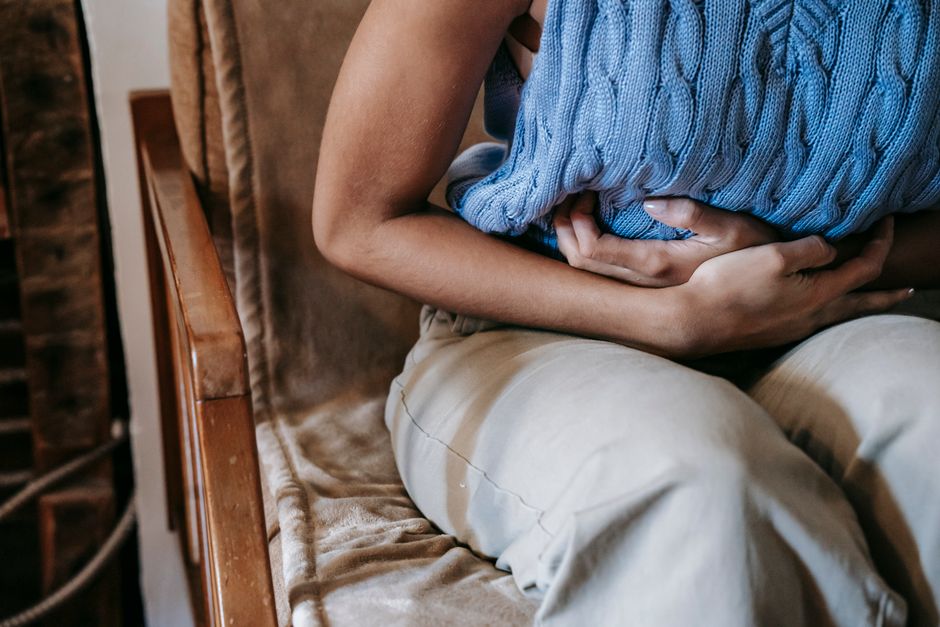
Bloating makes your stomach feel tight, full, and sometimes painful. You want it gone quickly. The fastest way to get rid of bloating is to move your body, drink water, and avoid swallowing more air. A short walk helps your digestive system get things moving. Peppermint or ginger tea can relax your gut muscles. If the bloating is from gas, over-the-counter simethicone products can break up gas bubbles. These steps work for most people within an hour or two. But the real question is what caused the bloating in the first place.
What Actually Causes Bloating?
Bloating happens when gas or fluid builds up in your digestive tract. It is not a disease. It is a symptom. Most of the time the cause is something you ate or how you ate it.
Swallowing air is a big one. Eating too fast, chewing gum, drinking through a straw, or talking while you eat all push extra air into your stomach. That air has to come out somewhere. Some of it comes out as burps. The rest travels through your intestines and causes pressure.
Certain foods create more gas than others. Beans, lentils, broccoli, cabbage, onions, and carbonated drinks are common culprits. Your body cannot fully digest some carbohydrates. When they reach your large intestine, bacteria break them down and produce gas as a byproduct. This is normal. But for some people the gas production is higher and more uncomfortable.
Food intolerances are another cause. Lactose intolerance affects about 68 percent of people worldwide. If your body does not make enough lactase, the enzyme that breaks down milk sugar, dairy products will cause bloating, gas, and cramping. Fructose malabsorption works the same way with fruit sugars.
Constipation is a hidden cause of bloating. When stool sits in your colon for too long, bacteria keep fermenting it. That produces more gas. The stool itself also takes up space, making your abdomen feel fuller. Many people who think they are bloated are actually constipated.
How to Rid Bloating Fast With Movement
Physical activity is one of the most effective ways to relieve bloating quickly. When you move your body, your digestive system moves too. This is called peristalsis. It is the wave-like muscle contraction that pushes food and gas through your intestines.
A 10 to 15 minute walk after a meal can make a noticeable difference. You do not need to jog or do intense exercise. Gentle movement is enough. The key is getting your torso to rotate slightly with each step. That motion physically helps gas bubbles move along.
Yoga poses that compress the abdomen can also help. The child’s pose, where you kneel and fold forward with your arms stretched out, puts gentle pressure on your belly. This pressure helps release trapped gas. The knees-to-chest pose works the same way. Lie on your back and pull both knees toward your chest. Hold for 30 seconds. You might hear gas move or pass. That is the goal.
A 2020 study in the journal Neurogastroenterology and Motility found that light exercise significantly reduced bloating in people with irritable bowel syndrome. The effect was seen within 30 minutes of activity. Movement works because it stimulates the nerves that control digestion. It also reduces stress, which can calm an overactive gut.
What to Drink to Reduce Bloating Quickly
Water seems too simple to work, but it often does. When you are dehydrated, your body holds onto sodium. Sodium makes you retain water. Drinking water helps your kidneys flush out excess sodium and fluid. This is especially helpful if your bloating feels more like swelling than gas.
Peppermint tea has real evidence behind it. The menthol in peppermint relaxes the smooth muscle tissue in your digestive tract. This allows trapped gas to move more freely. A 2019 review in Clinical Gastroenterology and Hepatology analyzed 12 studies and found that peppermint oil significantly reduced bloating and abdominal pain. Tea is milder than oil, but it still helps.
Ginger tea works differently. Ginger contains compounds called gingerols and shogaols. These speed up gastric emptying. That means food leaves your stomach faster and spends less time producing gas. A 2019 study in World Journal of Gastroenterology showed that ginger accelerated stomach emptying by about 15 percent in people with functional dyspepsia. Faster emptying means less bloating.
Fennel tea is another option. Fennel seeds have compounds that relax the digestive tract and reduce gas. Some research suggests fennel can reduce bloating in people with irritable bowel syndrome. The effect is modest but real.
Avoid carbonated drinks. The bubbles in soda, sparkling water, and beer are carbon dioxide gas. Drinking them adds gas directly to your stomach. That is the opposite of what you want.





How to Rid Bloating Fast With Food Choices
| Food or Drink | How It Helps | Time to Effect |
|---|---|---|
| Ginger (tea or fresh) | Speeds stomach emptying | 30-60 minutes |
| Peppermint (tea or oil) | Relaxes gut muscles | 15-30 minutes |
| Fennel seeds | Reduces gas production | 30-45 minutes |
| Banana | Provides potassium to balance sodium | 1-2 hours |
| Papaya | Contains papain enzyme for digestion | 30-60 minutes |
| Plain water | Flushes excess sodium | 1-2 hours |
Eating smaller portions can prevent bloating before it starts. When you eat a large meal, your stomach stretches. That stretching alone can feel like bloating even without gas. Eating slowly gives your brain time to register fullness. It also reduces the air you swallow.
Potassium-rich foods like bananas, avocados, and sweet potatoes can help if your bloating is from water retention. Potassium counteracts sodium. When your sodium-to-potassium ratio is off, your body holds water. Eating potassium helps restore balance and triggers fluid release.
Asparagus is a natural diuretic. It contains an amino acid called asparagine that helps your kidneys flush out excess fluid. A small serving of steamed asparagus can reduce water retention within a few hours.
What About Over-the-Counter Products?
Simethicone is the active ingredient in products like Gas-X and Mylanta. It works by breaking down gas bubbles in your stomach and intestines. The bubbles combine into larger ones that are easier to pass. Simethicone does not stop your body from producing gas. It just helps the gas that is already there move through faster.
Research on simethicone is mixed. Some studies show it reduces bloating. Others show no difference compared to placebo. A 2018 review in Drugs in Context concluded that simethicone is safe and may help some people, but the evidence is not strong. For occasional bloating it is worth trying. It works best for gas trapped in the upper digestive tract.
Activated charcoal is sometimes marketed for gas and bloating. The theory is that charcoal binds to gas molecules in the gut. Current research does not support this. A 2017 study in the American Journal of Gastroenterology found no significant difference between activated charcoal and placebo for bloating. Charcoal can also interfere with medication absorption. It is not recommended.
Probiotics are popular for bloating, but they are not a quick fix. Probiotics change the bacterial balance in your gut over weeks, not minutes. Some strains like Bifidobacterium infantis have shown benefit for bloating in people with IBS. But taking a probiotic during an active bloating episode will not help. It is a long-term strategy, not an immediate solution.
What Not to Do When You Are Bloated
Do not eat more gas-producing foods. This seems obvious, but many people reach for high-fiber foods when they feel bloated, thinking fiber will clean them out. Beans, lentils, and whole grains are healthy, but they produce gas during digestion. If you are already bloated, they will make it worse. Save them for when your stomach is calm.
Do not lie flat on your back. Gravity helps gas move upward and out. Lying down stops that process. Gas gets trapped in curves of your intestines. If you need to rest, prop yourself up with pillows so your upper body is elevated.
Do not wear tight clothing. Belts, waistbands, and shapewear compress your abdomen. This pushes gas into smaller spaces and increases pressure. It can also slow digestion by squeezing your intestines. Change into loose pants or a dress.
Do not take antacids unless you have heartburn. Antacids neutralize stomach acid. Stomach acid is necessary for breaking down food. Reducing it can slow digestion and make bloating worse. Many people confuse bloating with heartburn, but they are different. Heartburn is a burning sensation in your chest. Bloating is pressure and fullness in your abdomen.
Common Misconceptions About Bloating
One widespread myth is that bloating means you have a food allergy. Most bloating is not allergic. It is a normal response to certain foods or eating habits. True food allergies cause hives, swelling, difficulty breathing, or anaphylaxis. Bloating alone is rarely an allergy. If you get bloated after eating bread, you might have a gluten sensitivity or just be eating too much bread. Celiac disease is real but affects only about 1 percent of people.
Another myth is that detox teas and cleanses relieve bloating. Many detox teas contain senna, a natural laxative. They work by forcing your colon to empty. This can temporarily reduce bloating from constipation. But it also dehydrates you and disrupts your electrolyte balance. Your body does not need to be detoxed. Your liver and kidneys do that job. As of 2026, there is no clinical evidence that detox teas provide any benefit beyond what a glass of water and a walk would do.
Some people believe that skipping meals helps prevent bloating. The opposite is true. When you skip a meal, your digestive system slows down. When you finally eat, food sits in your stomach longer. That gives it more time to ferment and produce gas. Regular small meals keep your digestion moving at a steady pace.
Frequently Asked Questions About rid bloating fast
Does drinking warm water help with bloating?
Warm water can help relax the digestive tract and encourage gas movement. It is not more effective than room temperature water, but it may feel soothing.
Can stress cause bloating?
Yes, stress triggers the release of hormones that slow digestion and increase gas production. Managing stress through deep breathing or a short walk can reduce bloating.
How long does it take for bloating to go away?
Most bloating from gas resolves within one to four hours. Bloating from water retention or constipation may take longer, up to 24 hours with proper hydration and movement.
Is bloating a sign of something serious?
Occasional bloating is normal and not serious. See a doctor if bloating is persistent, painful, or accompanied by weight loss, blood in stool, or fever.
