
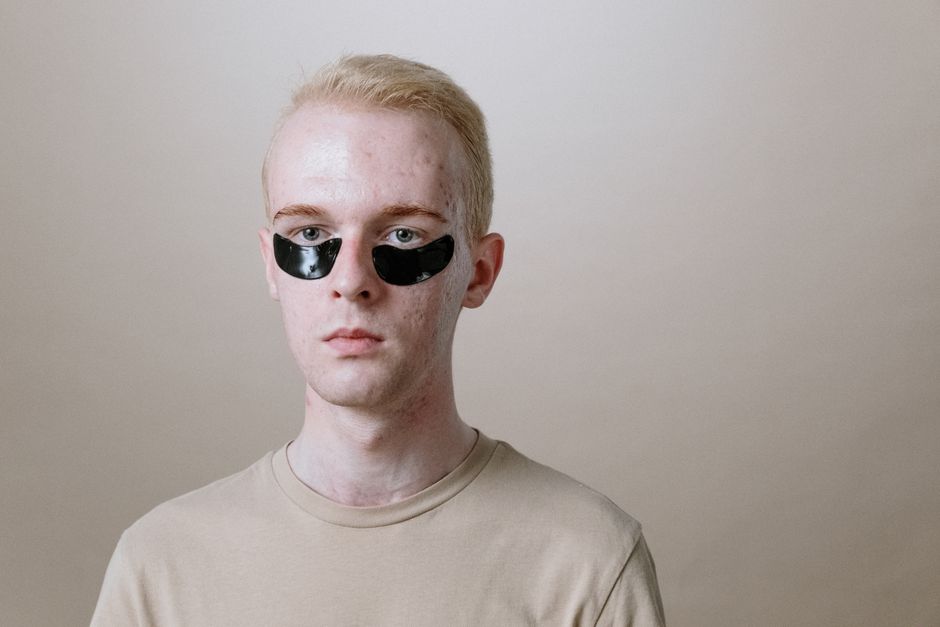
Hypertrophic acne scars are raised, firm bumps that form when the skin produces too much collagen while healing a deep breakout. They are not the same as dark spots or flat marks, and they do not fade on their own the way redness or brown pigmentation can. Getting rid of them usually means a dermatologist procedure — topical creams alone rarely flatten a raised scar. The most studied options are steroid injections, silicone dressings, laser therapy, and microneedling, often combined rather than used alone.
What Exactly Is a Hypertrophic Acne Scar?
A hypertrophic scar is a raised scar that stays within the boundary of the original wound. That last part matters. It is what separates a hypertrophic scar from a keloid, which grows beyond the original injury site.
When acne inflames the deeper layer of skin — the dermis — the body repairs the damage by laying down collagen. In most people that repair process is orderly. In some people the fibroblasts that make collagen keep working longer or harder than needed, and the result is a firm, raised bump.
These scars are more common after certain types of acne. Deep nodules and cysts, especially on the jawline, chest, back, and shoulders, are the usual culprits. So is acne that was picked, squeezed, or left untreated for a long time.
Hypertrophic scars tend to appear on areas where skin is thick and taut — the jaw, chest, upper back. They are less common on the thin skin of the cheeks, where atrophic (indented) scars are far more typical. That distinction matters because the two scar types need different treatments.
How Do You Tell a Hypertrophic Scar From Other Acne Marks?
Run a finger over the spot. If it feels raised and firm, it may be hypertrophic. If it feels flat or slightly sunken, it is something else.
- Post-inflammatory hyperpigmentation (PIH) is flat brown or dark discoloration. It fades over months as the skin turns over.
- Post-inflammatory erythema (PIE) is flat red or pink marking. It also fades with time.
- Atrophic scars are indented — icepick, boxcar, and rolling scars. They sit below the skin surface.
- Hypertrophic scars are raised, firm, and often pink or darker than surrounding skin.
- Keloids are also raised but extend past the original wound edge and can keep growing.
People often treat flat marks with creams and wait for them to clear. That approach does not work on a raised scar. The collagen structure underneath is different, and no over-the-counter product restructures it.
Can Hypertrophic Acne Scars Go Away on Their Own?
Some do soften and flatten over time, but many do not, and the process can take a year or longer when it happens at all. There is no reliable way to predict which scars will improve without treatment.
What is well established is that treating a scar early tends to work better than waiting. A scar that is still active — red, firm, and within its first months — often responds more readily than one that has been mature for years. This is a general clinical pattern, not a guarantee for any individual.
What does not help: picking at the scar, scrubbing it, or applying strong acids at home. These can irritate the skin and, in some people, make scarring worse.





What Treatments Do Dermatologists Use?
No single treatment works for every hypertrophic scar. Dermatologists typically choose based on scar size, location, how old it is, and skin tone. Combining approaches is common.
Intralesional corticosteroid injections
This is one of the most established treatments for raised scars. A dermatologist injects a steroid directly into the scar tissue, which slows collagen production and helps the scar flatten and soften. It usually takes multiple sessions spaced several weeks apart. Side effects can include skin thinning, lightening, or small blood vessels becoming visible at the injection site, so dosing and intervals are managed carefully.
Silicone gel sheets and silicone gel
Silicone products are a standard first-line option for many raised scars, including hypertrophic ones. They are applied over the scar for extended periods each day over weeks to months. The evidence for silicone in scar management is strongest for certain scar types and settings, and it is generally well tolerated. It tends to work better on newer, smaller scars than on old, thick ones.
Laser therapy
Different lasers do different things. Pulsed dye laser targets the blood vessels that keep a scar red and active, which can help flatten it and reduce color. Fractional lasers create controlled micro-injuries that prompt the skin to remodel. Results vary by scar and by device, and multiple sessions are usually needed.
Microneedling
Microneedling uses fine needles to create tiny punctures in the skin, triggering a repair response. It is used for a range of acne scars, though evidence is stronger for atrophic scars than for raised ones. When used on hypertrophic scars, it is often combined with other treatments rather than used alone.
Cryotherapy and other options
Freezing scar tissue, surgical removal, and other techniques are used in selected cases. Surgery on a hypertrophic scar carries a risk of the scar returning, so it is usually reserved for specific situations and often paired with other treatments.
A key point: no topical cream sold over the counter has been shown to flatten a mature hypertrophic scar. Products marketed for “scar removal” may soften or lighten a scar, but the claim that they remove it is not supported by strong clinical evidence.
Which Treatment Works Best?
There is no single best treatment, and any clinic that promises one is overselling. What the evidence supports is that combination therapy often outperforms single treatments for raised scars.
| Treatment | Typical role | Notes |
|---|---|---|
| Corticosteroid injection | Flattening raised scars | Multiple sessions; risk of skin thinning |
| Silicone gel or sheets | First-line, especially newer scars | Requires consistent daily use over months |
| Pulsed dye laser | Reducing redness and activity | Targets blood vessels |
| Fractional laser | Remodeling scar tissue | Multiple sessions; varies by device |
| Microneedling | Collagen remodeling | Stronger evidence for indented scars |
Skin tone matters when choosing treatment. Some lasers and procedures carry a higher risk of causing discoloration in people with darker skin, so a dermatologist experienced with a range of skin tones is worth seeking out.
Can You Prevent Hypertrophic Acne Scars?
The most reliable way to prevent these scars is to prevent the deep acne that causes them. That means treating moderate to severe acne early rather than waiting for it to clear on its own.
A few things genuinely help:
- See a dermatologist for deep, painful, or persistent acne. Early treatment reduces the risk of scarring.
- Do not squeeze, pop, or pick at acne. This deepens inflammation and raises scar risk.
- Follow acne treatment consistently. Stopping and starting lets breakouts return.
- Protect healing skin from sun. Sun exposure can darken scars and slow healing.
If you already scar easily, tell your dermatologist. Some people form hypertrophic scars or keloids more readily than others, and that history can shape how aggressively acne is treated.
What Should You Realistically Expect?
Most hypertrophic acne scars can be improved, but complete removal is uncommon. Realistic goals are flattening, softening, and fading — not erasing the scar entirely.
Treatment usually takes months, not weeks, and often requires several sessions. Improvement tends to build gradually. Some scars respond well; others improve only partially. This variability is normal and reflects real differences in how individual skin heals, not a failure of the treatment.
Anyone considering treatment should get an assessment from a board-certified dermatologist. The right plan depends on your specific scars, your skin tone, and your history of scarring. A single product or a single session is rarely the answer.
Frequently Asked Questions
Can hypertrophic acne scars go away without treatment?
Some soften and flatten over a year or longer, but many do not improve on their own. There is no reliable way to predict which scars will fade without treatment.
What is the most effective treatment for raised acne scars?
Corticosteroid injections are among the most established treatments for flattening raised scars. Many dermatologists combine treatments, such as injections with silicone or laser, rather than relying on one alone.
Do over-the-counter scar creams remove hypertrophic scars?
No over-the-counter cream has been shown to remove a mature hypertrophic scar. Some products may soften or lighten a scar, but the claim that they remove it is not supported by strong clinical evidence.
Should I see a dermatologist for a raised acne scar?
Yes, especially if the scar is firm, growing, or bothers you. A dermatologist can confirm the scar type and recommend treatments suited to your skin tone and history.
