
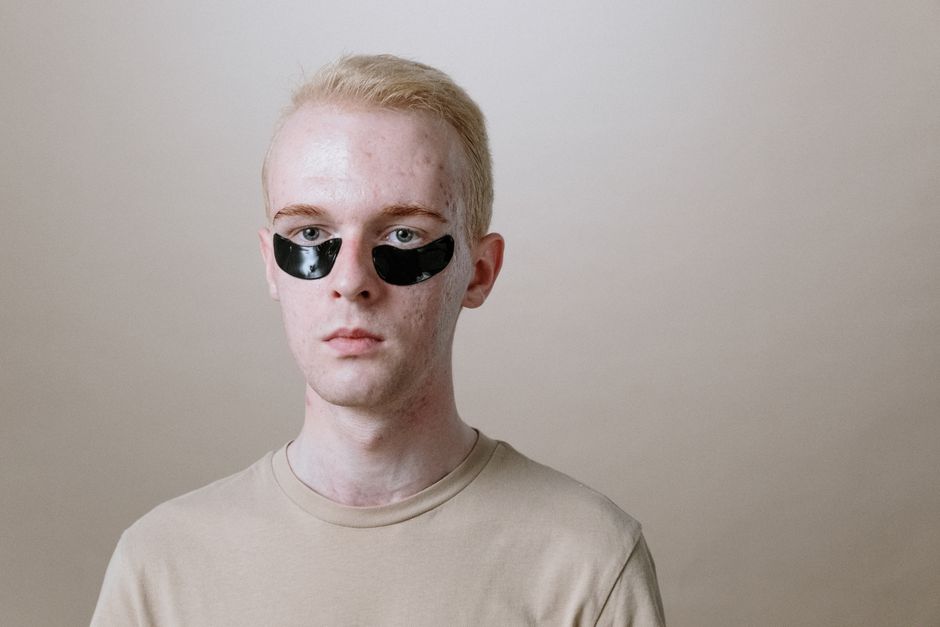
Red acne scars, often called post-inflammatory erythema (PIE), are not true scars but lingering blood vessel damage. They look like flat red or pink marks left after a pimple heals. The most effective treatments target those dilated capillaries. Options range from topical ingredients like azelaic acid and niacinamide to professional procedures like pulsed dye laser and intense pulsed light. A consistent routine with sunscreen is non-negotiable for fading these marks.
What Causes Red Marks After Acne?
When a pimple forms, your body sends blood and immune cells to fight the bacteria. This inflammation stretches the tiny blood vessels in that spot. Even after the acne clears, those vessels may stay widened for weeks or months.
This is different from dark spots (post-inflammatory hyperpigmentation or PIH). Dark spots involve excess melanin. Red marks involve blood vessels. Treatment for one does not work for the other. Many people have both, which complicates treatment.
Genetics and skin tone play a role. People with fair skin tend to get more red marks. People with darker skin tend to get more brown marks. Your skin’s healing response determines how long these marks last.
Do Topical Creams and Serums Actually Fade Red Acne Scars?
Some ingredients have evidence behind them. Azelaic acid is one of the better studied options for red marks. Research shows it reduces inflammation and helps calm the blood vessels. It is available in over-the-counter strengths and prescription formulas.
Niacinamide (vitamin B3) also shows benefit. It strengthens the skin barrier and reduces redness. A 2015 study in the Journal of Clinical and Aesthetic Dermatology found that 4% niacinamide gel improved red marks after 8 weeks. Results are modest — not dramatic.
Vitamin C serums are widely claimed to help. The evidence is weaker here. Vitamin C is an antioxidant that may support overall healing, but it does not specifically target the dilated blood vessels causing red marks. Some people report improvement. Controlled studies are limited.
Retinoids like adapalene or tretinoin speed up skin cell turnover. They help acne itself, which prevents new marks. They may slightly fade red marks over months. But they are not a first-line treatment specifically for PIE.
| Ingredient | Evidence Level | What It Does | Typical Time to See Change |
|---|---|---|---|
| Azelaic Acid | Strong | Reduces inflammation, calms vessels | 8-12 weeks |
| Niacinamide | Moderate | Strengthens barrier, reduces redness | 8-12 weeks |
| Vitamin C | Weak | Antioxidant support | Unclear |
| Retinoids | Moderate | Speeds cell turnover | 12+ weeks |
What Helps With Red Acne Scars Creams To Lasers — Which Procedures Work Best?
For faster and more reliable results, in-office procedures outperform creams. Pulsed dye laser (PDL) is the gold standard for red marks. It targets hemoglobin in the blood vessels. The laser energy collapses the dilated vessels, and the redness fades within 1-3 sessions.
Intense pulsed light (IPL) is another option. It uses a broad spectrum of light, not a single wavelength. It is less precise than PDL but still effective for many people. Multiple sessions are usually needed.
Vascular lasers specifically treat red lesions. They have been used for decades for port wine stains and rosacea. The same technology works for acne redness. The American Academy of Dermatology lists PDL as an effective treatment for PIE.
Microneedling is sometimes recommended. It creates tiny injuries that trigger collagen production. Some evidence suggests it helps with red marks, but the mechanism is less direct than laser. It may be more useful for true depressed scars combined with redness.




What About Home Devices and LED Light Therapy?
Red and near-infrared LED light devices are sold for home use. The theory is that certain wavelengths reduce inflammation. A 2019 review in Photodermatology, Photoimmunology & Photomedicine found that LED therapy can reduce acne inflammation. Whether it specifically fades existing red marks is less clear.
Most home devices are much weaker than professional ones. They may provide a small benefit over months of consistent use. They are not a replacement for prescription creams or laser treatments.
Some people report success with green-tinted color-correcting makeup. This does not treat the mark. It covers the redness temporarily. That is a valid cosmetic solution while waiting for treatments to work.
What Mistakes Keep Red Marks From Fading?
The biggest mistake is skipping sunscreen. UV exposure keeps blood vessels dilated. It also darkens any brown spots that coexist with red marks. Sun protection is not optional — it is the foundation of any treatment plan.
Using harsh scrubs or acids too aggressively can worsen redness. Irritating the skin triggers more inflammation. This keeps blood vessels dilated longer. Gentle cleansing and moisturizing support healing.
Picking at acne is another common problem. Each time you squeeze a pimple, you damage the surrounding tissue. This extends the healing time and increases the chance of a permanent mark. Hands off is the simplest advice that many people ignore.
Expecting overnight results leads to frustration. Red marks take time to fade. With consistent treatment, most see improvement in 3-6 months. Full resolution can take a year or more for stubborn marks.
- Use broad-spectrum SPF 30+ every single day
- Avoid physical exfoliation on active red marks
- Do not pick or squeeze pimples
- Be patient — 3-6 months minimum for visible change
- Combine topical treatment with professional procedures for best results
Which Treatment Should You Try First?
Start with the least invasive option that has evidence behind it. A 15-20% azelaic acid gel or cream used twice daily is a reasonable first step. Add a niacinamide serum in the morning. Use sunscreen religiously.
If you see no change after 8-12 weeks, consider seeing a dermatologist. They can prescribe higher-strength azelaic acid or recommend in-office laser treatment. Pulsed dye laser typically costs $300-600 per session. Most people need 2-3 sessions.
For mild redness, topical treatments may be enough. For moderate to severe redness, lasers are more reliable. There is no one-size-fits-all answer. Your skin type, the severity of the marks, and your budget all factor in.
Do not fall for products that claim to erase red marks in days. That is marketing, not medicine. Real improvement takes time and consistent effort. The good news is that most red marks eventually fade, even without aggressive treatment.
Frequently Asked Questions
Can red acne scars go away on their own?
Yes, most red marks fade within 6-12 months without treatment. Sun protection and gentle skincare can speed this up.
Is vitamin C or niacinamide better for red marks?
Niacinamide has stronger evidence for reducing redness. Vitamin C is better for overall skin brightness and antioxidant protection.
How many laser sessions do I need for red acne scars?
Most people need 2-3 sessions spaced 4-6 weeks apart for pulsed dye laser. Results are visible after the first treatment.
Do red acne scars mean I have scarring permanently?
No, red marks are usually temporary vascular changes, not permanent scars. True scars involve texture changes like depressions or raised tissue.
