
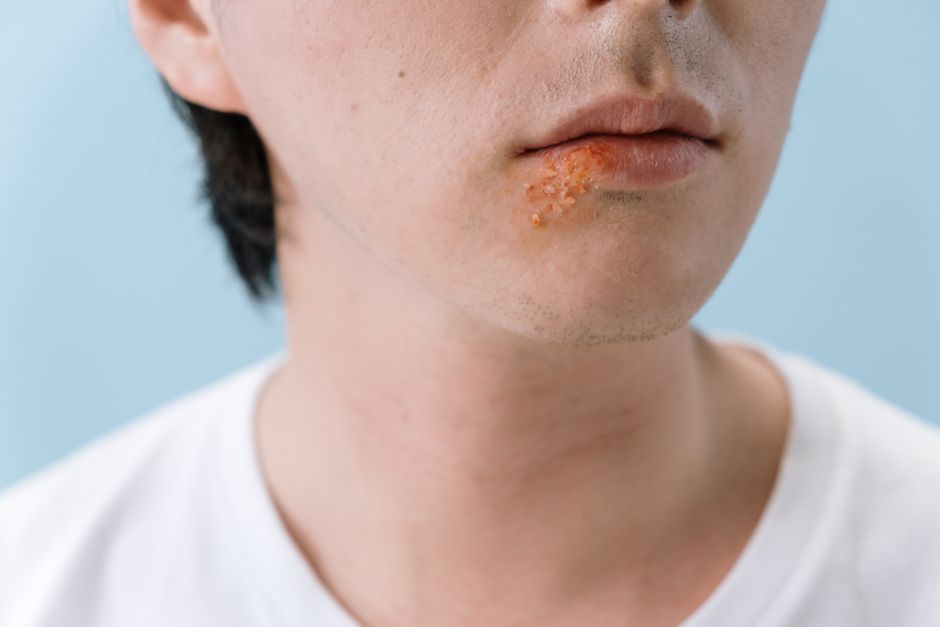
A friction blister is your skin’s response to repeated rubbing. The top layer of skin separates from the layers beneath it, and fluid fills the gap. That fluid is a cushion. It protects the raw, tender skin underneath while it heals.
The fastest way to get rid of a friction blister depends on whether it is intact or already broken. For an intact blister, the fastest and safest approach is to leave it alone and cover it with a protective dressing. For a large or painful blister, draining it with a sterilized needle while keeping the roof of the skin intact can speed up recovery, but this must be done carefully to avoid infection. For a broken blister, clean the area gently, apply an antibiotic ointment, and cover it with a sterile bandage to prevent infection.
Should You Pop a Friction Blister or Leave It Alone?
The roof of the blister is sterile. It is the best natural bandage you have. As long as the blister is intact and not causing significant pain, leave it alone. The fluid will reabsorb into the skin over a few days, and the roof will dry out and peel away on its own.
Popping a blister opens a direct pathway for bacteria. Infection is the main risk with any blister. If the blister is small and not in a high-friction area, covering it with a simple adhesive bandage or moleskin pad is usually enough.
There are situations where draining makes sense. If the blister is large, tense, or in a spot where it will keep rubbing against your shoe or tool, draining it can reduce pain and prevent it from tearing open at a bad moment. The key is to drain it correctly.
How To Get Rid of Friction Blisters Fast With Proper Draining
If you decide to drain a blister, do it within the first 24 hours. After that, the risk of infection rises as the blister begins to seal and heal.
Wash your hands thoroughly with soap and water. Clean the surface of the blister with rubbing alcohol or iodine. Use a sterile needle — not a safety pin from your sewing kit. You can sterilize a needle by wiping it with alcohol or holding it in a flame until it glows red, then letting it cool.
Insert the needle at the edge of the blister, parallel to the skin surface. Do not push straight down into the blister. Make one small puncture and let the fluid drain out naturally. Do not peel the skin off. Do not press hard to force fluid out — gentle pressure only.
After draining, apply an antibiotic ointment like bacitracin or polysporin to the puncture site. Cover the entire blister with a sterile gauze pad or a blister-specific dressing. Change the dressing daily and watch for signs of infection.
If the blister refills with fluid within 24 hours, you can drain it one more time using the same sterile technique. If it refills a third time, leave it alone and let it heal naturally.
What to Do When a Blister Has Already Broken Open
A broken blister is an open wound. It needs different care than an intact one.
Wash the area gently with mild soap and cool water. Do not use hydrogen peroxide or rubbing alcohol directly on the open wound — both damage healthy tissue and slow healing. Rinse well and pat dry with a clean towel.
Leave the loose skin in place if it is still attached. It provides a protective layer over the new skin forming underneath. If the skin is dirty or torn badly, trim it away with sterilized scissors. Never pull it off forcefully.
Apply a thin layer of antibiotic ointment. Cover the wound with a non-stick sterile pad or a hydrocolloid dressing. Hydrocolloid dressings are especially useful here because they create a moist healing environment and stay in place for several days.
Change the dressing daily or whenever it becomes wet or dirty. Once a scab forms, you can switch to a simple adhesive bandage.



Signs of Infection You Should Not Ignore
Most friction blisters heal without problems. But infections do happen, and they can become serious quickly.
Watch for these signs:
- Increasing redness spreading beyond the blister edge
- Warmth around the area that gets worse, not better
- Yellow or green pus draining from the blister
- Red streaks extending up your limb
- Fever or chills
- Pain that worsens instead of improving after 48 hours
Red streaks moving toward your body are a medical emergency. Seek care immediately if you see them. People with diabetes, poor circulation, or weakened immune systems should see a doctor for any blister that does not begin healing within a few days.
How to Prevent Friction Blisters Before They Start
Prevention is faster than any treatment. The best way to get rid of a friction blister is to never get one in the first place.
Friction blisters form when three things combine: moisture, heat, and repeated rubbing. Remove any one of these and blisters are far less likely to form.
Keep your skin dry. Moisture softens the skin and increases friction. Wear moisture-wicking socks made of synthetic fibers rather than cotton. Cotton absorbs sweat, holds it against your skin, and increases friction dramatically.
Wear properly fitted shoes. Shoes that are too tight create pressure points. Shoes that are too loose allow your foot to slide and rub with every step. Break in new shoes gradually — wear them for short periods before a long walk or run.
Use a lubricant or balm on high-risk areas before activity. Products like petroleum jelly or specialized anti-chafe balms reduce friction at the skin surface. Apply them to your heels, toes, or any spot where you know blisters tend to form.
Moleskin is a preventive tool, not just a treatment. Cut a piece slightly larger than the hot spot and apply it directly to the skin before you start your activity. This creates a barrier between your skin and whatever is rubbing against it.
Stop activity at the first sign of a hot spot. A hot spot is the burning sensation you feel before a blister forms. If you feel one, stop and apply a protective dressing immediately. This single habit prevents most blisters.
How Long Does a Friction Blister Take To Heal?
Healing time depends on the size of the blister and whether it stays intact or is drained.
An intact blister that is left alone typically heals in 3 to 7 days. The fluid reabsorbs, the skin roof dries, and new skin forms underneath. A drained blister heals faster in terms of pain relief but takes about the same time to fully close if the roof stays in place.
A broken blister takes longer — usually 7 to 14 days — because the wound must close and new skin must grow across the open area. Larger blisters on the feet can take up to 3 weeks to fully heal, especially if they are in a weight-bearing spot.
Deep blisters that involve the second layer of skin can take several weeks. These are less common from simple friction and more likely from severe burns or prolonged rubbing. If a blister is very deep, very large, or does not improve within a week, see a healthcare provider.
Common Mistakes That Slow Down Blister Healing
Some well-intentioned habits actually make blisters worse.
Do not use hydrogen peroxide on a fresh blister. It kills bacteria but also kills the new skin cells trying to grow. Plain soap and water is better for cleaning.
Do not leave a broken blister uncovered to “air out.” A moist wound environment heals faster than a dry one. Covering the wound keeps it clean and prevents scabbing that cracks and delays healing.
Do not continue the activity that caused the blister. If you got a blister from running, do not run again until it heals. Continuing to rub the area will only make it larger and slower to heal.
Do not use duct tape directly on an open blister. Duct tape is fine as a protective layer over clothing or over a dressing, but it does not breathe and can pull off new skin when removed.
Do not ignore a blister that shows signs of infection. Waiting to see if it gets better on its own gives bacteria more time to spread. Early treatment with antibiotics can prevent a minor infection from becoming a serious one.
When To See a Doctor for a Friction Blister
Most friction blisters are minor injuries that respond well to home care. But some situations require medical attention.
See a doctor if you have signs of infection, if the blister is extremely large, or if it does not begin healing within a week. Seek prompt care if you have diabetes, peripheral artery disease, or another condition that impairs blood flow or healing.
People with diabetes need to be especially careful with foot blisters. Nerve damage can reduce sensation, meaning you may not feel pain from an infected blister. Reduced blood flow slows healing and increases infection risk. A small blister that becomes infected can progress to a serious foot ulcer.
If you are unsure whether your blister needs medical attention, err on the side of caution. A quick visit to a clinic is far better than a delayed infection.
Friction blisters are common and rarely serious. With proper care, most heal quickly and completely. The fastest treatment is leaving an intact blister alone. The fastest recovery comes from protecting the area, keeping it clean, and letting your skin do what it does naturally.
Frequently Asked Questions
Does toothpaste help heal a friction blister faster?
No. Toothpaste has no proven ability to heal blisters and can irritate the skin. Use a sterile dressing and antibiotic ointment instead.
Can I exercise with a friction blister?
You should avoid the activity that caused the blister until it heals. Continuing to rub the area will make the blister larger and slow down healing.
Should I cover a blister with a bandage or let it breathe?
Cover it. A moist, protected wound environment heals faster than an exposed one. Change the dressing daily and keep the area clean.
Is it safe to drain a blister with a safety pin?
No. Safety pins are not sterile and can introduce bacteria into the wound. Use a sterile needle from a pharmacy or have a healthcare provider drain it.
