
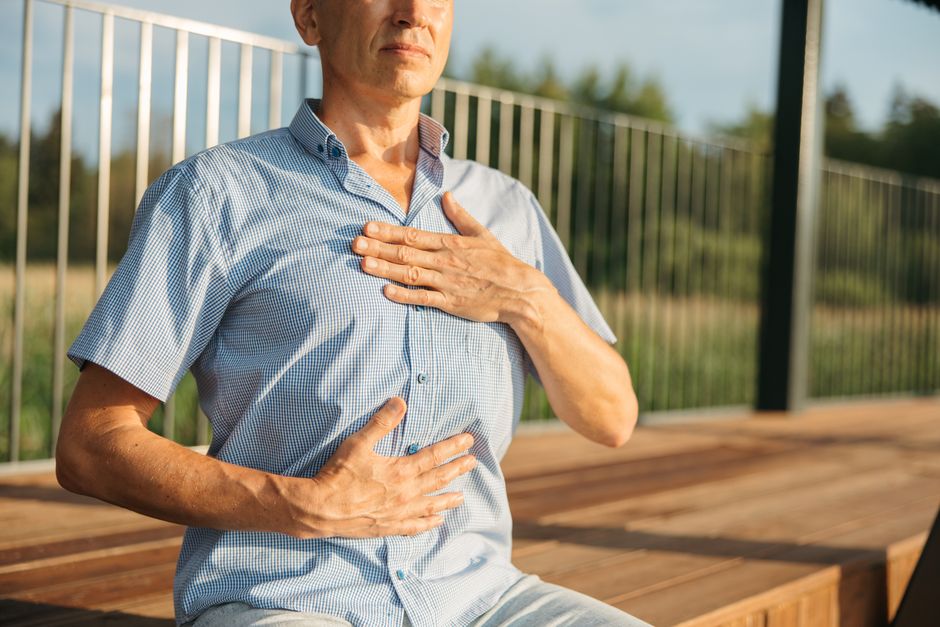
Chest burn is a sudden, uncomfortable burning sensation behind the breastbone. For most people, it is heartburn caused by stomach acid moving up into the esophagus. You can often stop the pain quickly with an over-the-counter antacid, and you can prevent future episodes by identifying your personal triggers and making specific changes to your eating and sleeping habits.
What Causes the Burning Feeling in Your Chest?
The burning sensation you feel is almost always acid reflux. A ring of muscle called the lower esophageal sphincter acts as a valve between your stomach and your esophagus. When this valve relaxes at the wrong time or becomes weak, stomach acid washes back up into the esophagus.
The esophagus does not have the same protective lining as the stomach. Acid sitting on that delicate tissue creates a sharp, burning pain. This is why the sensation is so distinct and uncomfortable.
While heartburn is the most common cause, chest burn can also come from other sources. A muscle spasm in the esophagus can produce similar pain. In rare cases, the sensation is unrelated to digestion entirely. Because chest pain can be a sign of a heart problem, it is important to know the difference.
How To Stop Chest Burn Fast Relief And Prevention
Fast relief starts with neutralizing the acid already in your esophagus. Over-the-counter antacids like calcium carbonate or magnesium hydroxide work within minutes. They do not stop acid production, but they neutralize what is there, which is often enough to end the burning quickly.
If antacids do not fully solve the problem, a product containing alginic acid can help. Alginates form a foam barrier on top of the stomach contents. This physical raft blocks acid from reaching the esophagus. Some people find this works better than a simple antacid alone.
For longer-lasting relief, H2 blockers like famotidine reduce acid production within about 30 minutes. Proton pump inhibitors like omeprazole take longer to work but suppress acid for up to 24 hours. These are not for immediate relief. They are for managing symptoms over the course of a day or longer.
Do not lie down after taking any of these. Stay upright for at least two to three hours. Gravity is one of your best tools for keeping acid in the stomach where it belongs.
What to Do When the Pain Starts
The moment you feel chest burn, take a few specific steps. Loosen any tight clothing around your waist. Pressure on the abdomen pushes stomach contents upward. Standing up straight rather than slouching can also reduce pressure on the valve.
Sipping plain water can help rinse acid back down into the stomach. Do not drink large amounts quickly. That can distend the stomach and trigger more reflux.
Chewing sugar-free gum for 30 minutes after a meal can increase saliva production. Saliva contains bicarbonate, which naturally neutralizes acid. It also stimulates swallowing, which clears acid from the esophagus. The evidence for this is modest, but it is harmless and worth trying.
If you take antacids and the pain does not improve within 15 to 20 minutes, or if the pain is severe, seek medical attention. This is not a situation to wait out.

When Chest Burn Is Not Heartburn
Chest pain can be a symptom of a heart attack. The distinction matters. Heart-related chest pain often feels like pressure, tightness, or squeezing rather than a pure burn. It may spread to the jaw, neck, or left arm.
Shortness of breath, cold sweats, nausea, or lightheadedness alongside chest pain are warning signs. If you have any of these symptoms, call emergency services immediately. Do not wait to see if an antacid helps.
If you have risk factors for heart disease — such as diabetes, high blood pressure, high cholesterol, or a smoking history — take chest pain more seriously. Even if it feels like your usual heartburn, a change in the pattern of your symptoms is worth a medical evaluation.
Gastroesophageal reflux disease, or GERD, is diagnosed when heartburn occurs at least twice a week or when it interferes with daily life. If you are using antacids several times a week, you should see a doctor. Frequent use of antacids can mask a more serious underlying issue.
Foods and Drinks That Trigger Chest Burn
Certain foods relax the valve between the stomach and esophagus. Others directly irritate the esophageal lining. Knowing your triggers is the most effective prevention strategy.
Common triggers include:
- Spicy foods, especially those containing chili peppers or hot sauce
- Fatty or fried foods, which slow stomach emptying
- Citrus fruits and juices, including orange, lemon, and grapefruit
- Tomatoes and tomato-based products like pasta sauce and salsa
- Onions and garlic, particularly raw
- Chocolate, which contains compounds that relax the esophageal valve
- Mint and peppermint, which can relax the valve as well
- Caffeine from coffee, tea, and energy drinks
- Alcohol, especially red wine and spirits
- Carbonated beverages, which increase stomach pressure
Not everyone reacts to the same foods. Keep a simple diary for two weeks. Write down what you ate and whether you had symptoms. Patterns will emerge. Eliminate the foods that consistently cause problems rather than cutting out everything at once.
Lifestyle Changes That Prevent Chest Burn
The single most effective change is eating smaller meals. A large meal distends the stomach, which increases pressure on the valve. Eating five or six smaller meals instead of three large ones keeps pressure lower throughout the day.
Wait at least three hours after eating before lying down. This gives your stomach time to empty partially. The longer you stay upright, the less acid will travel upward while you sleep.
Elevating the head of your bed by six to eight inches can significantly reduce nighttime reflux. Use blocks under the bedposts rather than stacking pillows. Pillows only raise your head, which can actually increase pressure on the abdomen. Raising the entire head of the bed keeps your esophagus above your stomach at an angle that discourages reflux.
Weight matters. Excess abdominal fat increases pressure inside the abdomen. This pressure pushes stomach contents upward. Studies consistently show that weight loss reduces heartburn frequency and severity in people who are overweight.
Smoking weakens the esophageal valve. Nicotine relaxes the muscle directly. Quitting smoking improves reflux symptoms and has many other health benefits.
Medications That Can Make Chest Burn Worse
Some common medications can trigger or worsen reflux. Ibuprofen, aspirin, and naproxen can irritate the esophageal lining directly. If you take these regularly for pain or inflammation, talk to your doctor about alternatives.
Certain blood pressure medications, including calcium channel blockers, can relax the esophageal valve. Some asthma medications have the same effect. Do not stop taking prescribed medication on your own. Speak with your doctor about whether your symptoms might be related to a medication you take.
If you need to take a medication known to cause reflux, take it with plenty of water and remain upright afterward. This reduces the time the medication sits in contact with the esophageal lining.
When to See a Doctor
Occasional heartburn that responds to antacids does not require a medical visit. But there are clear signs that you need professional evaluation.
See a doctor if you have heartburn two or more times per week. See a doctor if symptoms wake you from sleep regularly. See a doctor if over-the-counter medications stop working.
Trouble swallowing, unintentional weight loss, vomiting blood, or black stools are urgent signs. These can indicate damage to the esophagus that requires immediate attention. Chronic untreated reflux can lead to a condition called Barrett’s esophagus, which increases the risk of esophageal cancer.
A doctor can confirm the diagnosis and recommend prescription-strength treatment if needed. They can also order an endoscopy to examine the esophagus directly if your symptoms warrant it. This is a common procedure with low risk, and it provides definitive information about the health of your esophageal lining.
Frequently Asked Questions
What is the fastest way to stop chest burn?
An over-the-counter antacid neutralizes stomach acid within minutes and provides the fastest relief. Stay upright after taking it and loosen any tight clothing around your waist.
Can drinking water stop heartburn?
Plain water can help rinse acid back into the stomach and dilute what is in the esophagus. It works best for mild symptoms, but it is not a substitute for an antacid when the burn is strong.
Is chest burn a sign of a heart attack?
Chest burn is usually heartburn, but heart attack pain can sometimes feel similar. If the pain is severe, spreads to your jaw or arm, or comes with shortness of breath or cold sweats, call emergency services immediately.
Why does chest burn get worse at night?
Lying flat removes the help of gravity, allowing acid to travel more easily into the esophagus. Elevating the head of your bed by six to eight inches and waiting three hours after eating before lying down can reduce nighttime symptoms.
