
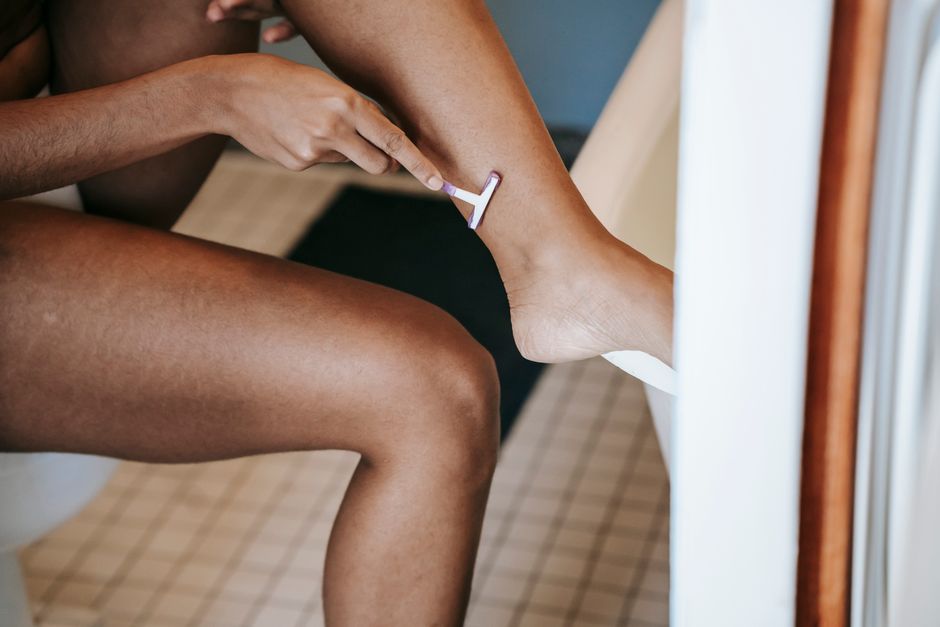
Razor bumps are a skin reaction to shaving, not a sign of poor hygiene. They happen when a shaved hair curls back and grows into the skin, causing inflammation. You can clear them faster by stopping the shave, applying a warm compress, and using a gentle chemical exfoliant like salicylic acid. To prevent more, you need to change your shaving routine: soften the hair, shave in the direction of growth, and never pull the skin tight. These steps work because they address the cause — the trapped hair — rather than just the redness.
What Exactly Are Razor Bumps?
Razor bumps, medically known as pseudofolliculitis barbae, are not the same as razor burn. Razor burn is surface irritation from the blade scraping the skin. Razor bumps are ingrown hairs that have caused a localized inflammatory response.
When you cut a hair very short, the sharp tip can pierce the skin as it grows. The body treats this as a foreign object and sends white blood cells to the area. That immune response causes the redness, swelling, and tenderness you see as a bump.
People with naturally curly or coarse hair are more prone to this. The curve of the hair follicle makes it easier for the hair to re-enter the skin. This condition is most common on the neck and jawline, but it can happen anywhere you shave — legs, underarms, or bikini line.
How To Clear Razor Bumps Fast: What Actually Works
The fastest way to clear existing razor bumps is to stop shaving the area completely. Give the hair time to grow out past the skin surface. This is not optional advice — it is the single most effective step. Most mild cases resolve within one to two weeks of shaving cessation.
For immediate relief, apply a warm compress for 5 to 10 minutes. The heat softens the skin and can help release a trapped hair that is close to the surface. Do not pick or squeeze the bumps. That increases the risk of infection and can leave permanent dark spots or scars.
Over-the-counter products containing salicylic acid or glycolic acid can speed up the process. These are chemical exfoliants that dissolve the dead skin cells trapping the hair. Apply them once daily to the affected area. Start with a lower concentration to test your skin’s tolerance.
Some dermatologists recommend a topical product with benzoyl peroxide if the bumps look infected — filled with pus, warm, or increasingly painful. Benzoyl peroxide kills bacteria and reduces inflammation. If the area shows signs of spreading infection, see a healthcare provider rather than treating it yourself.
Why You Should Never Pop A Razor Bump
Popping a razor bump feels satisfying but causes more harm than good. When you squeeze, you push bacteria deeper into the follicle. This can convert a simple ingrown hair into a full infection requiring antibiotics.
Popping also increases the risk of post-inflammatory hyperpigmentation — dark spots that linger for months after the bump heals. In people with darker skin tones, this is a particular concern because the pigment change can be more noticeable and longer lasting.
Instead of popping, use a sterile needle only if the hair is visibly looped just beneath the skin surface. Gently lift the hair loop out without pulling the entire hair. If you cannot see the hair clearly, leave it alone and let the exfoliant do the work.





How To Prevent Razor Bumps: The Shaving Routine That Works
Prevention is about changing how and when you shave. The goal is to avoid cutting the hair so short that it retracts below the skin line.
Follow these steps in order every time you shave:
- Shave after a warm shower. Hot water and steam soften the hair shaft and open the pores. Hair that is soft and hydrated cuts more cleanly and is less likely to curl back.
- Use a sharp, single-blade razor. Multi-blade razors lift the hair and cut it below the skin surface, which is exactly what causes razor bumps. A single-blade razor cuts the hair at the skin surface, leaving it slightly longer.
- Shave in the direction of hair growth. Shaving against the grain gives a closer shave but dramatically increases ingrown hairs. With the grain leaves a slightly less smooth result but prevents the problem.
- Do not stretch the skin. Pulling the skin taut makes the hair spring back further below the surface when released. Shave with relaxed skin.
- Rinse the blade after every stroke. A clogged blade drags and irritates the skin, causing micro-trauma that makes bumps worse.
- Apply a moisturizer immediately after shaving. Hydrated skin sheds dead cells normally, which reduces the chance of hairs getting trapped.
If you shave daily out of habit, consider reducing frequency. Shaving every other day gives the hair time to grow out slightly, which significantly reduces the risk of ingrown hairs.
Shaving Alternatives For Chronic Razor Bumps
If you have tried the routine changes and still get bumps, you may need to stop shaving altogether. This is not an exaggeration — for some people, no shaving technique prevents this condition.
Electric clippers with a guard are a practical alternative. They leave the hair slightly longer than a razor, which prevents the sharp tip from re-entering the skin. The trade-off is that the shave is not as close. For many people with chronic razor bumps, this trade-off is worth it.
Chemical depilatories — creams that dissolve hair — are another option. They work by breaking down the protein structure of the hair. Test on a small patch of skin first because these products can cause chemical burns in sensitive individuals. Do not use them on the same day as a chemical exfoliant.
Laser hair removal is the most effective long-term solution. It damages the hair follicle so the hair grows back thinner or not at all. Multiple sessions are required, and results are not permanent for everyone. This is a medical procedure that should be performed by a licensed professional, not an at-home device.
There is no cure for razor bumps because shaving is the trigger. The condition resolves only when the shaving behavior changes or stops.
When To See A Doctor About Razor Bumps
Most razor bumps are manageable at home, but some situations require medical attention. See a healthcare provider if you notice any of the following:
- Bumps that do not improve after two weeks of not shaving
- Signs of infection — increasing pain, warmth, yellow or green pus, or red streaks spreading from the area
- Fever or swollen lymph nodes in the neck
- Bumps that keep coming back in the same spot despite prevention efforts
- Dark spots that persist for months after the bumps heal
A doctor can prescribe stronger topical treatments, such as prescription-strength retinoids or antibiotics if infection is present. In severe cases, oral antibiotics may be necessary. For chronic cases that do not respond to other treatments, a dermatologist may recommend laser hair removal as a medical therapy rather than a cosmetic one.
Do not attempt to treat a worsening infection at home. The longer you wait, the more tissue damage and scarring can occur.
Common Myths About Razor Bumps
Myth: Rubbing alcohol prevents razor bumps. Alcohol dries the skin and strips its natural oils. Dry skin traps hairs more easily and worsens the condition. Use a gentle moisturizer or an alcohol-free aftershave instead.
Myth: Shaving more often makes the hair thinner and prevents bumps. Shaving does not change the thickness or growth rate of hair. It only makes the cut end blunt, which can actually increase the chance of the hair piercing the skin.
Myth: A closer shave means fewer bumps. The opposite is true. A closer shave cuts the hair below the skin line, which is the primary cause of ingrown hairs. A less close shave is the goal.
Myth: Exfoliating hard with a scrub prevents razor bumps. Aggressive physical scrubbing damages the skin barrier and increases inflammation. Gentle chemical exfoliation with salicylic or glycolic acid is more effective and safer.
Frequently Asked Questions
How long do razor bumps take to go away?
Mild razor bumps typically clear within one to two weeks if you stop shaving the area. Bumps that are infected or repeatedly irritated can take longer and may require treatment.
Can I shave over razor bumps?
No. Shaving over active bumps cuts the hair shorter and pushes it further into the skin, making the condition worse. Wait until the bumps have fully healed before shaving again.
Does toothpaste help razor bumps?
No clinical evidence supports toothpaste as a treatment for razor bumps. It can irritate the skin and delay healing. Stick with proven options like warm compresses and salicylic acid.
Is laser hair removal worth it for razor bumps?
For chronic cases, laser hair removal is the most effective long-term treatment because it reduces hair growth at the follicle. It requires multiple sessions and is not guaranteed to be permanent, but many people see significant improvement.
