
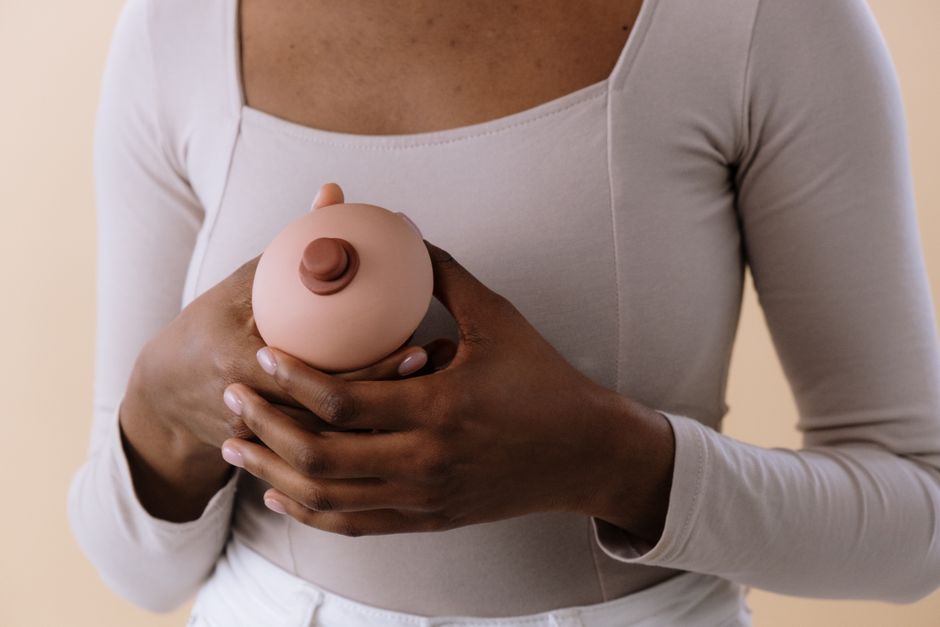
Inducing lactation without pregnancy is possible, but “fast” is relative. Most women who have never been pregnant will need 3 to 6 months of preparation to build a full milk supply, though some see drops of milk sooner. The fastest reliable timeline involves a consistent pumping schedule, possible hormone therapy under a doctor’s care, and a strong commitment to stimulation every 2 to 3 hours. There is no guaranteed overnight method, and any product claiming one is not backed by medical evidence.
What Does Inducing Lactation Actually Mean?
Lactation is the process of your body producing milk. When you have never been pregnant, this is called induced lactation. It works because the hormone prolactin drives milk production, and the hormone oxytocin releases milk. You do not need to have given birth to produce these hormones.
Your breasts do not need to be pregnant to respond to stimulation. Nipple stimulation, a breast pump, or a nursing baby all send signals to your brain to release prolactin. Over time, consistent stimulation builds prolactin receptors in the breast tissue, which is why frequency matters more than duration in the early weeks.
The key difference between induced lactation and postpartum lactation is the absence of the pregnancy hormones estrogen and progesterone. During pregnancy, these hormones prepare the breast tissue. When you induce lactation, you are essentially asking your body to skip that step and jump straight to milk production.
How Long Does It Take to Induce Lactation?
The timeline varies widely depending on your history. Women who have previously breastfed may produce milk in 2 to 4 weeks because their breast tissue has already developed milk-producing cells. Women who have never been pregnant usually need 3 to 6 months of preparation.
Some women see colostrum, a thick yellowish fluid, within a few weeks of consistent pumping. This is not full milk, but it is a sign your body is responding. Full milk supply typically takes longer, and many women never produce a complete supply and must supplement with formula or donor milk.
A 2022 review in the journal Obstetrics & Gynecology noted that induced lactation success rates are highest when the parent has a clear plan, strong support, and access to a lactation consultant. Success is often measured by how much breast milk the baby receives, not just whether milk is produced at all.
What Is the Fastest Method to Induce Lactation?
The fastest evidence-based method combines three elements: hormone preparation, frequent breast stimulation, and a galactagogue if needed. Hormone therapy is not a do-it-yourself project. It requires a doctor who will prescribe estrogen and progesterone to mimic pregnancy, then stop the hormones abruptly to trigger a prolactin surge.
This protocol is called the Newman-Goldfarb method. It is the most studied approach for induced lactation. The hormones are taken for several months, then stopped, and pumping begins immediately. Some women begin pumping while still on hormones, but most protocols wait until the hormones are withdrawn.
If you cannot or do not want to take hormones, the alternative is pumping-only induction. This takes longer, often 4 to 6 months, and typically produces less milk. But it is completely safe and has no medication side effects.
Here is what the fastest realistic timeline looks like:
- Months 1-3: Hormone therapy to mimic pregnancy (under medical supervision)
- Week 1 after stopping hormones: Begin pumping 8 to 12 times per day, including once at night
- Weeks 2-6: Milk may appear; increase pumping frequency if supply is low
- Months 2-4: Supply may increase; many women see their peak production here
This timeline assumes you are pumping correctly and consistently. Skipping sessions, especially at night, slows progress significantly.





Does Pumping Frequency Really Matter That Much?
Yes. Frequency is the single most important factor in induced lactation. Prolactin levels are highest at night, which is why the 2 a.m. pumping session matters. Skipping it tells your brain that demand is low, and supply drops accordingly.
Research on postpartum mothers shows that pumping 8 to 12 times per day in the first weeks establishes a full supply faster than pumping fewer times. The same logic applies to induced lactation. Your breasts need consistent, frequent signals to build and maintain prolactin receptors.
Each pumping session should last 15 to 20 minutes. Emptying the breast fully is not the goal in the early weeks because there is little to empty. The goal is stimulation. You are training your body to expect a demand.
Many women find that using a hospital-grade double breast pump is more effective than a standard pump. These pumps are stronger and more efficient at removing milk, which matters when supply is low. Hand expression is also useful, especially in the first days when colostrum is thick.
What Role Do Herbs and Medications Play?
Galactagogues are substances that increase milk supply. They include prescription medications like domperidone and metoclopramide, as well as herbs like fenugreek, blessed thistle, and goat’s rue. The evidence for herbs is weak and mixed.
Domperidone is the most studied galactagogue for induced lactation. It is not approved by the FDA for this use in the United States, though it is commonly prescribed off-label in Canada and other countries. It raises prolactin levels by blocking dopamine, which is the brain’s brake on prolactin.
Metoclopramide is FDA-approved but crosses into the brain and can cause side effects like restlessness and depression. It is generally used only when domperidone is unavailable. Both medications require a prescription and medical monitoring.
Herbal galactagogues are widely sold but have little high-quality research behind them. Some studies suggest fenugreek may help, but results are inconsistent. No herb has been proven to induce lactation on its own. If you choose to try herbs, tell your doctor and watch for side effects like digestive upset or allergic reactions.
What Should I Expect When Milk Comes In?
Milk does not arrive all at once. You may first notice drops of clear or yellowish fluid. This is colostrum, and it is normal. Over weeks, the fluid may become whiter and more plentiful as your body transitions to mature milk.
Some women feel breast fullness, tingling, or warmth when milk lets down. Others feel nothing. The absence of sensation does not mean milk is not flowing. Babies often trigger letdown more effectively than pumps because they provide warmth and rhythm that a machine cannot match.
It is common to produce very little milk in the first month. Do not interpret this as failure. Many induced lactation parents produce only 50 to 200 mL per day, which is less than half of what a baby needs. Supplementing with formula or donor milk is normal and does not mean you failed.
Work with a lactation consultant who has experience with induced lactation. They can help you position the baby, choose the right pump flange size, and track your baby’s weight gain. They can also help you set realistic expectations.
Are There Any Risks or Downsides?
Induced lactation is generally safe, but it is not risk-free. Hormone therapy carries the same risks as birth control pills, including blood clots and liver issues. Your doctor should screen you for these risks before prescribing the regimen.
Pumping frequently can cause nipple soreness, especially in the first weeks. Using a properly fitted flange and a lubricating nipple cream can help. If you are also caring for a baby, the time commitment can be exhausting. Pumping 8 times a day takes 2 to 3 hours of your day.
There is no evidence that induced lactation poses risks to the nursing baby. Breast milk from an induced lactation parent has the same nutritional composition as milk from a postpartum parent. The immune benefits are also the same.
One thing to know: induced lactation is not the same as relactation. Relactation is when you have breastfed before and are starting again. This is faster because your breast tissue already has the milk-producing structures. Induced lactation requires building those structures from scratch.
What If I Need to Induce Lactation Quickly for an Adopted Baby?
If you have less than a month before the baby arrives, your options are limited. Hormone therapy requires months, so it is not an option. Your best approach is to start pumping immediately and use a galactagogue if your doctor approves.
Some women in this situation produce no milk at all. That is a real possibility, and you should plan for it. You can still put the baby to the breast for comfort and bonding, then supplement with formula or donor milk. This is called non-nutritive breastfeeding, and it is valuable even when no milk flows.
If you have 6 to 8 weeks, you can try a shortened hormone protocol. Some doctors prescribe a lower dose or shorter course. Evidence for these shortened protocols is limited, and success rates are lower. Speak honestly with your doctor about your timeline.
Frequently Asked Questions
Can I induce lactation if I have never been pregnant?
Yes, you can. It takes longer and may produce less milk than after a pregnancy, but many women successfully induce lactation with consistent pumping and, in some cases, hormone therapy.
How many times a day should I pump to induce lactation?
Pump 8 to 12 times per day for 15 to 20 minutes each session, including at least once at night. Frequency matters more than duration in the early weeks.
Do fenugreek and other herbs really help induce lactation?
The evidence is weak and mixed. Some women report increased supply with fenugreek, but no herb has been proven to induce lactation on its own. Talk to your doctor before taking any herbal supplement.
Is it safe to take domperidone for induced lactation?
Domperidone is not FDA-approved in the United States but is used off-label in other countries. It is generally effective at raising prolactin, but it requires a prescription and medical monitoring for side effects.
