
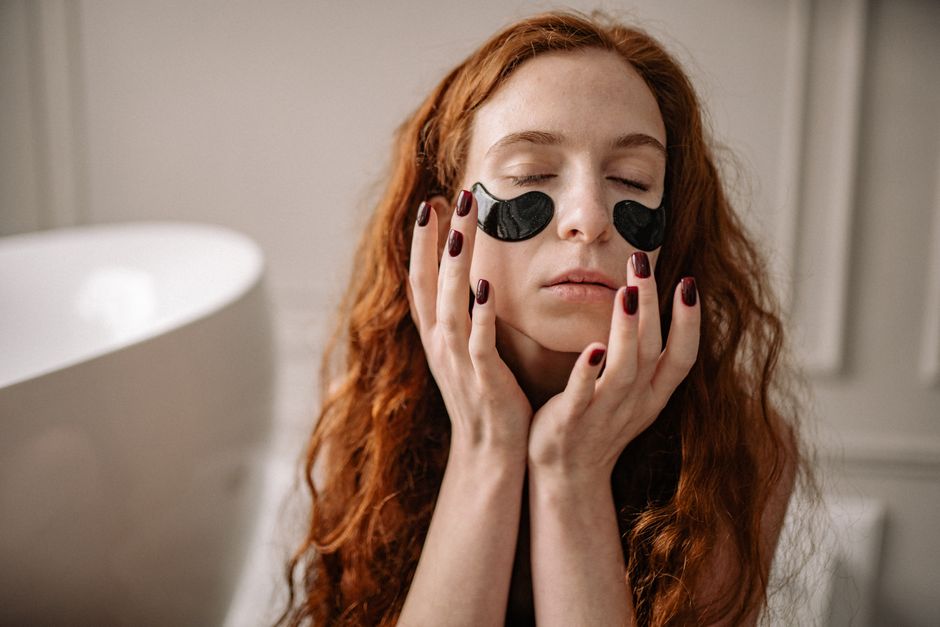
Eye puffiness usually goes away on its own within a few hours. Cold compresses, hydration, and sleep are the most reliable ways to speed that up. Most puffy eyes come from fluid retention or lack of sleep. For most people, simple home methods work fine. If puffiness lasts all day or happens with pain or redness, that is different and needs a doctor.
What Causes Puffy Eyes in the First Place?
The skin around your eyes is the thinnest skin on your body. It has almost no fat underneath and very few oil glands. This makes it prone to swelling from fluid buildup.
When you sleep, fluid can pool around your eyes because you are lying flat. Gravity is not pulling it downward. This is why morning puffiness is so common. It usually clears within 30 to 60 minutes once you stand up and move around.
Other causes include high sodium intake, allergies, crying, and aging. As you get older, the tissues around your eyes weaken. Fat that normally supports the eyes can shift forward into the lower lids. This creates a puffy look that is structural, not fluid-based. That type does not respond to cold compresses the same way.
Does How To Get Rid Of Eye Puffiness Actually Work?
For fluid-based puffiness, yes. Cold is the most direct approach. It constricts blood vessels and reduces swelling. A cold spoon, chilled cucumber slices, or a gel eye mask kept in the fridge all work the same way.
Apply cold for about 10 minutes. Do not use ice directly on the skin. Wrap it in a soft cloth first. The skin around your eyes is delicate and can get frostbite quickly.
Caffeine is another ingredient found in many eye creams. It is a vasoconstrictor, meaning it tightens blood vessels. Some studies suggest caffeine can reduce puffiness temporarily. But the effect is modest. A cold compress alone may work just as well for most people.
One non-obvious point: the angle you sleep at matters. Sleeping with your head slightly elevated reduces fluid pooling. An extra pillow can make a difference. This is a simple change with no cost and no side effects.
What Does Research on Eye Puffiness Show?
There is surprisingly little high-quality research on eye puffiness specifically. Most evidence comes from dermatology textbooks and clinical observations rather than large controlled trials.
The American Academy of Dermatology states that cold compresses and antihistamines are first-line treatments for allergic eye swelling. For non-allergic puffiness, they recommend reducing salt intake and getting enough sleep.
Research published in the Journal of Cosmetic Dermatology found that products containing caffeine, vitamin K, and peptides showed some improvement in under-eye appearance. But the studies were small. Many were funded by companies selling the products. That does not mean the products do not work. It means the evidence is not as strong as you might think from the marketing.
A 2020 review in Clinical Dermatology noted that most eye puffiness treatments lack rigorous clinical trials. The review emphasized that many cases improve on their own with time and basic self-care. This is not what beauty brands want you to hear, but it is what the evidence shows.
| Treatment | What It Does | Evidence Level |
|---|---|---|
| Cold compress | Constricts blood vessels, reduces fluid | Strong clinical consensus |
| Caffeine eye cream | Tightens blood vessels temporarily | Moderate (small studies) |
| Antihistamines | Blocks allergic response | Strong for allergy-related puffiness |
| Sleep position change | Reduces fluid pooling | Moderate (physiological basis) |
| Vitamin K cream | May improve circulation | Weak (limited studies) |





What Should You Avoid When Trying to Reduce Eye Puffiness?
Do not rub your eyes. Rubbing breaks tiny blood vessels and can make swelling worse. It also introduces bacteria from your hands to the eye area. This can lead to infection or styes.
Avoid high-sodium foods before bed. A salty dinner causes your body to retain water. That water has to go somewhere. Your thin under-eye skin is a common place for it to show up. Processed foods, restaurant meals, and salty snacks are the biggest culprits.
Do not use harsh scrubs or strong active ingredients near your eyes. Retinoids and acids are effective for skin but can cause severe irritation on the eyelids. The skin there absorbs products much faster than the rest of your face. Redness, peeling, and more puffiness can result.
Be skeptical of expensive eye creams that promise dramatic results. Many contain the same basic ingredients as drugstore options. The price tag does not reflect effectiveness. A simple cold compress or caffeine gel from any pharmacy works just as well as a luxury brand.
What Are the Signs That Eye Puffiness Needs Medical Attention?
Most puffy eyes are harmless. But some cases signal something more serious. If your eye puffiness comes with pain, redness, vision changes, or discharge, see a doctor.
Periorbital cellulitis is a bacterial infection of the eyelid. It causes swelling, redness, and fever. This requires antibiotics. It is not something cold compresses can fix.
Thyroid eye disease can cause persistent puffiness along with bulging eyes and dry eyes. This is an autoimmune condition. It needs treatment from an endocrinologist or ophthalmologist.
If only one eye is puffy and the other is not, that is unusual. Unilateral swelling often points to an infection, insect bite, or blocked tear duct. Bilateral puffiness is more typical of allergies or fluid retention.
Some people report that puffy eyes are a sign of kidney problems. As of 2026, there is no clinical evidence that mild morning puffiness indicates kidney disease in otherwise healthy people. Severe, persistent swelling around the eyes along with swollen ankles and foamy urine is different. That combination does warrant a checkup.
What Are the Best Practical Steps for Morning Puffiness?
Keep a gel eye mask in the refrigerator. Put it on for 10 minutes while you make coffee or get ready. This is the single most effective home method.
Drink a full glass of water when you wake up. Dehydration causes your body to hold onto fluid, which can worsen puffiness. Hydration helps flush out excess sodium from the night before.
Elevate your head while you sleep. An extra pillow or a wedge pillow prevents fluid from settling around your eyes overnight. This is a preventive step, not a fix for puffiness that is already there.
Use a caffeine-based eye cream if you want something extra. Apply it gently with your ring finger. That finger has the weakest pressure, which matters for this delicate skin. Pat the product on. Do not rub or pull.
If you have allergies, take an oral antihistamine at night. This prevents the histamine response that causes swelling. Non-drowsy formulas are best for daytime. Older antihistamines like diphenhydramine can help at night but may cause grogginess in the morning.
- Cold compress for 10 minutes each morning
- Hydrate with water before caffeine
- Sleep with head slightly elevated
- Reduce salt intake, especially at dinner
- Use gentle patting motions, never rubbing
- Consider antihistamines if allergies are a factor
Frequently Asked Questions
How long does it take for puffy eyes to go down?
Most fluid-based puffiness clears within 30 to 60 minutes of being upright. Cold compresses can speed this up to about 10 to 15 minutes.
Does drinking water help puffy eyes?
Yes, staying hydrated helps your body flush out excess sodium that contributes to fluid retention. Drinking water is more preventive than curative for puffiness that is already present.
Can lack of sleep cause puffy eyes?
Yes, sleep deprivation disrupts fluid balance and blood flow around the eyes. This leads to both puffiness and dark circles in many people.
Are eye creams worth it for puffiness?
Some eye creams with caffeine or peptides can help temporarily, but a cold compress works just as well for most people. The evidence for expensive creams is not strong.
