
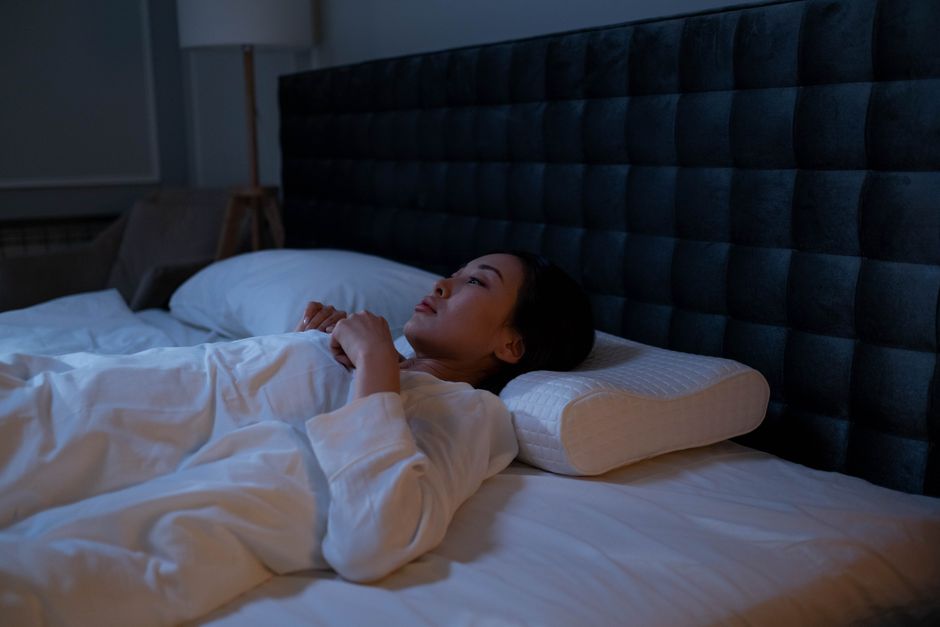
Nightmares are not just bad dreams. They are vivid, disturbing experiences that can wake you up and make it hard to go back to sleep. For some people, they happen so often that sleep becomes something to dread. The good news is that research has found effective ways to reduce or stop nightmares completely. The key is understanding what causes them and using targeted techniques that actually work. Most people can get rid of nightmares for good by addressing the underlying triggers and learning specific mental strategies.
What Actually Causes Nightmares in Adults?
Nightmares are not random. They come from real sources. Stress is the most common trigger. When your brain is processing difficult emotions during the day, it often works through them at night. The result can be a nightmare.
Medications can also cause nightmares. Some blood pressure drugs, antidepressants, and Parkinson’s medications are known to trigger vivid dreams. The National Institutes of Health has documented this connection. If your nightmares started after a new prescription, that is worth discussing with your doctor.
Trauma is another major cause. People with post-traumatic stress disorder (PTSD) often have nightmares about the event. But trauma does not have to be a single big event. Ongoing stress from work, relationships, or health problems can build up and cause nightmares too.
Sleep disorders like sleep apnea can also play a role. When your breathing stops during sleep, your brain partially wakes up. This can happen many times a night without you knowing. The disruption can lead to more nightmares. A sleep study can find this.
How Do You Get Rid Of Nightmares For Good? The Evidence-Based Answer
The most researched and effective treatment for nightmares is called Image Rehearsal Therapy (IRT). It was developed by Dr. Barry Krakow and his team at the University of New Mexico. Multiple studies published in the Journal of the American Medical Association and other peer-reviewed journals have shown it works.
IRT is simple. You take a nightmare that repeats and rewrite the ending. You do this while awake. You change the story to something less scary or even neutral. Then you rehearse the new version for a few minutes each day. Over time, your brain starts to prefer the new version during sleep.
Research shows that IRT reduces nightmare frequency by about 70 percent in most people. Some people stop having nightmares entirely. The therapy usually takes four to eight sessions with a trained therapist, but some people learn it on their own from books or online programs.
| Treatment Approach | How It Works | Evidence Level | Time to See Results |
|---|---|---|---|
| Image Rehearsal Therapy | Rewrite nightmare endings | Strong – multiple clinical trials | 4-8 weeks |
| Cognitive Behavioral Therapy | Address daytime anxiety and sleep habits | Strong – widely studied | 6-12 weeks |
| Medication (Prazosin) | Blocks adrenaline receptors | Mixed – effective for some PTSD patients | Days to weeks |
| Lifestyle changes | Reduce alcohol, improve sleep hygiene | Moderate – indirect evidence | Variable |
| Lucid dreaming training | Learn to recognize you are dreaming | Limited – small studies | Months of practice |
What Lifestyle Changes Actually Help Stop Nightmares?
Alcohol is a major nightmare trigger. It might help you fall asleep faster, but it disrupts the second half of the night. As your body processes the alcohol, you enter lighter sleep stages. REM sleep becomes more intense and fragmented. This is when nightmares happen. The CDC and sleep researchers agree that alcohol before bed increases nightmare frequency.
Eating close to bedtime can also cause problems. A full stomach raises your metabolism and body temperature. This can lead to more vivid dreams and nightmares. Try to finish eating at least two to three hours before you go to sleep.
Sleep schedule matters too. Going to bed and waking up at the same time helps regulate your sleep cycles. Irregular sleep patterns can increase REM sleep pressure, which means more intense dreams. A consistent schedule gives your brain a stable environment for processing memories.
Temperature in your bedroom is another factor. A cool room around 65 to 68 degrees Fahrenheit supports better sleep. Overheating during the night can trigger nightmares in some people. Keep your bedroom cool and use breathable bedding.





What Should You Avoid When Trying to Stop Nightmares?
Avoid horror movies and violent content before bed. This seems obvious, but many people do not realize how long the effect lasts. The images can stay in your mind for hours. Your brain processes them during REM sleep and turns them into nightmares.
Do not try to “face your fears” by forcing yourself to think about the nightmare during the day without a structured plan. This can make things worse. Exposure therapy for nightmares needs to be done carefully with a professional. Doing it wrong can increase anxiety and make nightmares more frequent.
Avoid sleeping on your back if you have nightmares. Some research suggests that sleeping on your back is associated with more nightmares and sleep paralysis. Side sleeping is generally better for sleep quality and may reduce nightmare frequency.
Do not rely on medication as a first-line treatment. Prazosin is sometimes prescribed for nightmares, especially in PTSD patients. But it is not a cure. It blocks the physical effects of adrenaline during sleep. Once you stop the medication, nightmares often return. It works best when combined with therapy.
How to Create a Nightmare Prevention Routine
A bedtime routine signals your brain that it is safe to sleep. This is not just about brushing your teeth. It is about reducing stimulation and giving your brain time to shift gears.
Start winding down 60 to 90 minutes before bed. Turn off screens. Blue light from phones and computers suppresses melatonin and keeps your brain alert. Read a physical book. Listen to calm music. Do something that does not involve intense thinking.
Write down any worries from the day. This is called a “brain dump.” Put them on paper so your brain does not have to hold onto them during sleep. Some people find that writing down positive events from the day also helps.
Do a short relaxation exercise. Deep breathing for five minutes can lower your heart rate and calm your nervous system. Progressive muscle relaxation works too. You tense and release each muscle group from your toes to your head.
If you wake up from a nightmare, do not stay in bed replaying it. Get up. Walk to another room. Turn on a dim light. Do something calming for a few minutes. Then go back to bed. This breaks the cycle of fear and prevents your brain from associating the bed with nightmares.
Common Misconceptions About Nightmare Treatment
One myth is that nightmares are a sign of a deeper psychological problem. This is not always true. Many people have nightmares during stressful periods and they go away on their own. Occasional nightmares are normal. Only frequent nightmares that cause distress or sleep disruption need treatment.
Another myth is that you should ignore nightmares and they will go away. This can work for mild cases, but for people with recurring nightmares, ignoring them often makes them worse. The brain repeats the same dream because it is trying to process something. Active intervention like IRT is usually needed.
Some people believe that talking about nightmares makes them worse. The opposite is true for most people. Sharing the nightmare with a trusted person or a therapist can reduce its power. The fear loses strength when you put it into words and see it from a different perspective.
There is also a belief that medication is the only option for severe nightmares. This is not supported by evidence. Therapy-based approaches like IRT and cognitive behavioral therapy have stronger and longer-lasting results than medication for most people.
- Nightmares are not always a sign of mental illness – they can be triggered by stress, medication, or sleep disorders.
- Image Rehearsal Therapy has the strongest evidence of any treatment – about 70 percent reduction in nightmare frequency.
- Alcohol before bed is a major trigger that many people overlook.
- Consistent sleep schedules and a cool bedroom help prevent nightmares.
- Medication can help short-term but therapy works better long-term.
If your nightmares are affecting your daily life, talk to a doctor who specializes in sleep medicine. They can rule out underlying conditions like sleep apnea and refer you to a therapist trained in nightmare treatment. Most people see significant improvement within a few weeks of starting the right approach.
Frequently Asked Questions
Can nightmares be cured completely?
Yes, many people stop having nightmares entirely with proper treatment. Image Rehearsal Therapy has the highest success rate for eliminating nightmares.
How long does it take for nightmare therapy to work?
Most people see improvement within four to eight weeks of starting Image Rehearsal Therapy. Some notice changes after just two weeks of daily practice.
Do nightmares mean something is wrong with me?
No, occasional nightmares are normal and happen to most people. Only frequent nightmares that cause distress or disrupt sleep need professional attention.
Is there a medication that stops nightmares?
Prazosin is sometimes prescribed but results are mixed. It works best for PTSD-related nightmares and should be combined with therapy for lasting results.
