
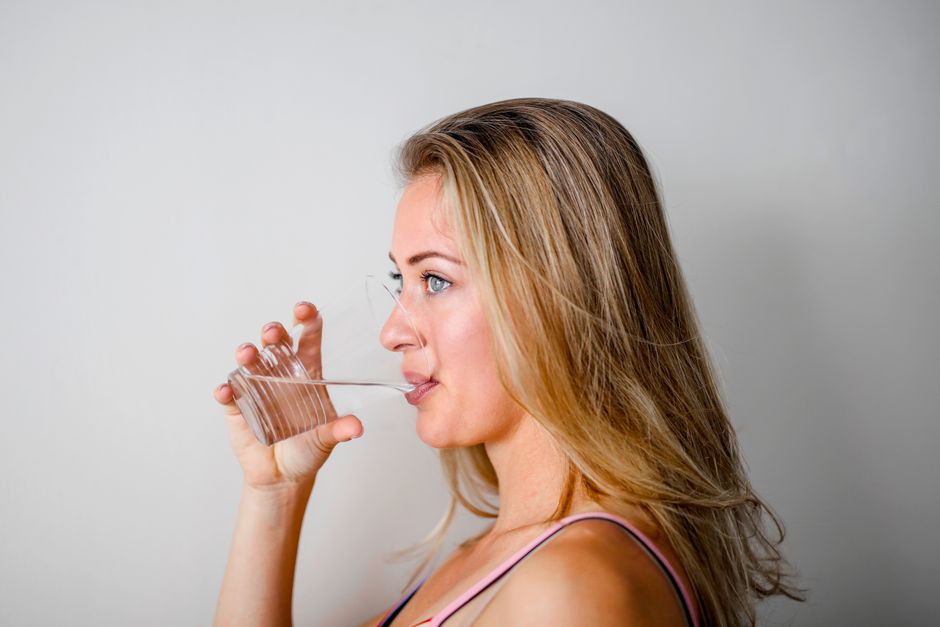
You have probably heard that you should sip water slowly instead of gulping it down. The advice is everywhere. But is it actually true? The short answer is yes, sipping is generally better for your body than gulping. It allows your kidneys to process the fluid efficiently and prevents discomfort. Gulping large amounts of water quickly can overwhelm your system, leading to bloating and a rapid drop in your body’s sodium levels.
What Actually Happens When You Gulp Water?
When you gulp a large volume of water in seconds, your stomach stretches quickly. This sends a signal to your brain that you are full. But the water has not been absorbed yet. Most of it sits in your stomach waiting to move into your small intestine.
The real issue is how your kidneys handle the sudden flood. Your kidneys can only process about 800 to 1,000 milliliters of water per hour. That is roughly 4 cups. If you drink more than that in a short period, your kidneys cannot keep up. The excess water stays in your bloodstream, diluting the sodium concentration in your blood. This condition is called hyponatremia.
Research published in the Clinical Journal of Sport Medicine has documented cases of hyponatremia in marathon runners who drank too much water too fast. Symptoms include nausea, headache, and confusion. In severe cases, it can be dangerous.
What Does Sipping Do Differently?
Sipping gives your digestive system time to work. When you take small amounts of water into your mouth, you naturally mix it with saliva. This helps with initial digestion and signals your stomach to prepare for incoming fluid.
Your small intestine absorbs water at a steady rate. Sipping keeps that absorption rate matched to what your body needs. Your kidneys receive a steady trickle instead of a flood. They can filter and balance your blood chemistry without stress.
The American Council on Exercise recommends drinking 7 to 10 ounces of fluid every 10 to 20 minutes during exercise. That is roughly one to two small gulps. This is a measured pace, not a chug. For daily hydration outside of exercise, sipping a few ounces every 15 to 30 minutes is a practical target.
How Fast Should I Drink Water Sipping Vs Gulping for Hydration?
This is the core question, and the answer depends on your activity level and environment. For everyday hydration when you are sitting at a desk, sipping is clearly better. You are not losing water rapidly through sweat. Your body needs a slow, steady intake to maintain balance.
During exercise, the equation changes. You lose water and electrolytes through sweat. Your body needs to replace that fluid relatively quickly to maintain performance and prevent overheating. Even then, gulping a full bottle in one go is not the answer.
Studies from the National Athletic Trainers’ Association show that drinking too fast during exercise can cause stomach upset and reduce performance. Their guidelines suggest drinking at a pace that matches your sweat rate. Most people can comfortably tolerate 5 to 10 ounces every 15 minutes. That is about one to two mouthfuls at a time.



Does Drinking Speed Affect Digestion and Bloating?
Yes, it does. Gulping introduces air into your digestive tract. Every swallow of water brings a small amount of air with it. When you gulp, you swallow more air in each mouthful. This air accumulates in your stomach and intestines, causing bloating and gas.
Your stomach also has a limited capacity. A typical adult stomach can hold about 1 to 1.5 liters when fully stretched. Drinking a large volume quickly fills that space. The water cannot move into the small intestine fast enough, so it sits there. This causes a feeling of fullness and discomfort. It can also trigger acid reflux in people who are prone to it.
Sipping avoids these problems. The water moves through your stomach and into the small intestine at a manageable rate. Your body absorbs it without the pressure and gas that come with gulping.
What About Electrolytes and Water Intoxication?
Water intoxication, or hyponatremia, is the most serious risk of drinking too much water too fast. Your body needs a certain concentration of sodium in your blood for nerves and muscles to work. When you dilute that sodium by drinking a lot of water quickly, the balance breaks.
The Mayo Clinic notes that hyponatremia is most common in endurance athletes, people with certain medical conditions, and older adults. But it can happen to anyone who drinks large amounts of water in a short time without replacing electrolytes.
If you are sweating heavily, plain water is not enough. You lose sodium and other minerals through sweat. Drinking plain water in large gulps replaces the fluid but not the electrolytes. This makes the dilution problem worse. Sports drinks or water with added electrolytes can help in those situations. For daily hydration, sipping plain water is fine because you are not losing significant electrolytes.
Practical Tips for Healthy Hydration
Here are simple ways to apply what the evidence shows:
- Keep a water bottle on your desk and take small sips every 15 to 30 minutes.
- If you are thirsty, drink a few ounces, wait a minute, then drink more if needed. Do not chug.
- During exercise, aim for 5 to 10 ounces every 15 to 20 minutes. Use your thirst as a guide.
- If you exercise for more than an hour in heat, consider a drink with electrolytes.
- Pay attention to your urine color. Pale yellow means you are well hydrated. Dark yellow means you need more water. Clear urine means you might be drinking too much.
| Drinking Style | Absorption Rate | Risk of Bloating | Risk of Hyponatremia |
|---|---|---|---|
| Sipping (1-2 oz every 10-15 min) | Steady, matched to kidney capacity | Low | Very low |
| Gulping (8-16 oz in under 1 minute) | Fast initial, then delayed | High | Moderate to high if repeated |
Common Misconceptions About Drinking Water Fast
One widespread myth is that gulping water flushes toxins from your body. This is not accurate. Your liver and kidneys do the work of filtering waste. Drinking water helps them function, but chugging does not speed up the process. Your kidneys can only filter blood at a certain rate. Extra water just gets excreted as urine.
Another claim is that drinking water on an empty stomach first thing in the morning is dangerous if you gulp it. There is no evidence to support this for a healthy person. However, if you have a sensitive stomach, gulping cold water can cause cramping. Sipping warm or room-temperature water is gentler.
Some people believe that you must drink eight glasses of water a day regardless of thirst. This is a general guideline from the National Academies of Sciences, Engineering, and Medicine, but individual needs vary. Thirst is a reliable signal for most people. Forcing yourself to drink when you are not thirsty can lead to overhydration.
Frequently Asked Questions
Is it bad to gulp water when you are very thirsty?
It is not dangerous in small amounts, but it can cause bloating and discomfort. Sip slowly even when very thirsty to let your body adjust.
How much water is too much in one hour?
More than 1 liter (about 4 cups) in one hour can overwhelm your kidneys and risk hyponatremia. Stick to smaller amounts spread out.
Does sipping water help with weight loss?
Drinking water before meals can help you feel full, but sipping versus gulping makes no significant difference for weight loss. Total intake matters more.
Can gulping water cause a heart attack?
No direct evidence links gulping water to heart attacks. However, drinking very cold water quickly can sometimes trigger a vagal response in sensitive individuals.
