

Butt sweat is normal. Everyone has sweat glands in the gluteal area, and those glands respond to heat, exercise, and stress just like the ones under your arms. The way to get rid of it — or at least stop it from ruining your day — comes down to four things: reduce heat and moisture, choose clothing that lets air move, use products that manage sweat safely, and know when excessive sweating is a medical issue worth a doctor’s visit.
There is no single trick that ends butt sweat forever. Anyone promising that is selling something. What actually works is a combination of small, consistent habits and, in some cases, treatments a doctor can prescribe.
Why Do You Sweat Between Your Buttocks?
The skin between and around the buttocks sits in a warm, dark, poorly ventilated space. That environment is nearly ideal for trapping moisture.
Your body has two main types of sweat glands. Eccrine glands cover most of your skin and produce a thin, mostly odorless fluid made of water and salt. They turn on when your body needs to cool down. Apocrine glands are concentrated in areas with lots of hair follicles — the armpits and the groin region among them. They produce a thicker fluid that bacteria on the skin break down, which is what creates body odor.
The gluteal area has both. Sitting for long periods makes it worse because you are pressing skin against skin and against a chair, blocking airflow and trapping heat. Tight clothing adds another layer. So does being overweight, since extra skin folds create more contact and less ventilation.
None of this means something is wrong with you. Sweating there is a normal physiological response. The problem is comfort, odor, and sometimes skin irritation — not the sweat itself.
What Actually Reduces Butt Sweat Day to Day?
The most effective everyday steps target moisture and airflow. Small changes add up faster than most people expect.
- Choose the right underwear fabric. Cotton breathes but holds moisture once it is wet. Moisture-wicking synthetic blends move sweat away from skin and dry faster. Many people do best with a wicking fabric for exercise and cotton or a cotton-blend for everyday wear.
- Avoid thongs and tight synthetic underwear during sweaty activities. A thong can move bacteria from the anal area toward the vagina, which raises the risk of infection. That is a well-established concern, not a theory.
- Change out of damp clothing promptly. Sitting in wet fabric keeps skin macerated — softened and broken down by moisture — which makes irritation and infection more likely.
- Shower after heavy sweating. Rinsing off removes sweat, salt, and bacteria. Dry the area fully, including between the buttocks, before dressing.
- Use a separate towel for that area. This is a simple hygiene step that limits the spread of bacteria and, if present, fungal organisms.
- Take breaks from sitting. Standing up every so often lets air reach the skin and reduces heat buildup.
For some people, a light dusting of cornstarch-based powder helps absorb moisture. Talc-based powders have fallen out of favor because of concerns about contamination with asbestos in some historical products and about inhalation risk with talc itself. Cornstarch is the more commonly recommended option now, though it can feed yeast if the area is already infected, so it is not ideal for everyone.
Do Antiperspirants Work on the Buttocks?
Antiperspirants can reduce sweating in the gluteal area, and this is a reasonable thing to try. They work by plugging sweat ducts with aluminum-based compounds, which temporarily blocks sweat from reaching the skin surface.
Deodorants are different. They do not stop sweat. They reduce odor by making the skin less hospitable to odor-causing bacteria. If your main problem is wetness, you want an antiperspirant, not a deodorant.
A few practical points:
- Apply to clean, completely dry skin. Moisture before application reduces how well it works.
- Many people apply at night, when sweat glands are less active, and find it more effective.
- The skin between the buttocks is thinner and more sensitive than under the arms. Test a small area first. If you get burning, redness, or a rash, stop.
- Do not apply to broken, cracked, or irritated skin.
If you have a history of skin reactions to aluminum-based products, or a diagnosed skin condition in that area, talk to a doctor before using antiperspirant there.



When Is Butt Sweat a Medical Problem?
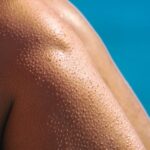
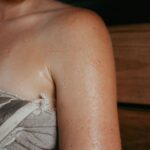
Excessive sweating that is not explained by heat, exercise, or stress has a name: hyperhidrosis. It can be generalized across the body or focused on specific areas. It is a recognized medical condition, not a personal failing, and it is treatable.
See a doctor if you notice any of these:
- Sweating that soaks through clothing most days, even when you are cool and resting
- Sweating that wakes you from sleep
- A sudden change in sweating patterns, especially later in life
- Sweating along with fever, weight loss, or night sweats
- Skin that is cracked, bleeding, or repeatedly infected
- A rash or irritation that does not improve with basic hygiene changes
Some of these point to hyperhidrosis. Others can signal thyroid problems, low blood sugar, infection, or other conditions that need evaluation. Night sweats in particular are a symptom doctors take seriously because they can have several causes, some of them significant.
For diagnosed hyperhidrosis, prescription-strength antiperspirants are often the first step. Other options a doctor might discuss include certain medications that reduce sweating, and in more stubborn cases, procedures that target the nerves or glands involved. These are clinical decisions, not something to self-manage.
Can Diet and Weight Affect Butt Sweat?
Body weight affects sweating in a straightforward way. More body mass means more heat generated and more insulation, so the body works harder to cool down. Losing excess weight can reduce sweating for some people, though the effect varies and no single change guarantees results.
Diet plays a smaller role than most people assume. Spicy food, caffeine, and alcohol can trigger sweating in some individuals by stimulating the nervous system. If you notice a pattern, cutting back on a specific trigger is worth testing. There is no diet that reliably eliminates butt sweat.
One non-obvious point: the smell of sweat is not caused by sweat itself. Fresh sweat is largely odorless. Odor comes from bacteria on the skin breaking down the compounds in sweat. That is why washing and keeping the area dry does more for odor than any product applied on top of unwashed skin.
How Do You Prevent Skin Problems From Sweat?
Moisture plus friction plus bacteria is the combination that causes most problems in this area. Break any one of those links and the risk drops.
The most common issues are intertrigo — a rash from skin rubbing against skin — and fungal infections like jock itch, which thrive in warm, damp conditions. Both are more likely when skin stays wet for long stretches.
What helps:
- Keep the area clean and fully dry
- Wear loose, breathable clothing when possible
- Change underwear at least daily, and more often if you sweat heavily
- Avoid sharing towels or clothing that touches the area
- Treat any rash early rather than waiting for it to spread
If you develop an itchy, red, or scaly rash that does not clear up with basic care, see a doctor. Fungal infections usually need antifungal treatment, and using the wrong product can make things worse.
What Does Not Work
Some popular ideas do not hold up. Wearing multiple layers to “absorb” sweat traps heat and makes you sweat more. Heavy perfumes mask odor without addressing the bacteria causing it, and can irritate sensitive skin. There is no evidence that detoxes, special teas, or supplements reduce sweating in this area, despite what some marketing claims suggest.
Butt sweat is a normal body function. Managing it is about comfort and skin health, not eliminating a flaw. For most people, better fabric choices, prompt drying, and a good antiperspirant make a real difference. For the rest, a doctor can help.
Frequently Asked Questions
Is butt sweat normal?
Yes. Everyone has sweat glands in the gluteal area, and sweating there is a normal response to heat, exercise, and stress. It only becomes a medical concern when it is excessive, unexplained, or causes skin problems.
How do I stop my butt from sweating so much?
Wear moisture-wicking underwear, change out of damp clothing promptly, shower after heavy sweating, and try an antiperspirant on clean, dry skin. If sweating is excessive or wakes you at night, see a doctor to rule out other causes.
Can I use regular deodorant on my butt?
Deodorant reduces odor but does not stop sweat, so it will not help with wetness. An antiperspirant, which contains aluminum-based compounds, is the better choice if reducing sweat is your goal.
When should I see a doctor about butt sweat?
See a doctor if sweating soaks your clothing most days, wakes you from sleep, started suddenly later in life, or comes with fever or weight loss. These can point to hyperhidrosis or another condition that needs evaluation.
