
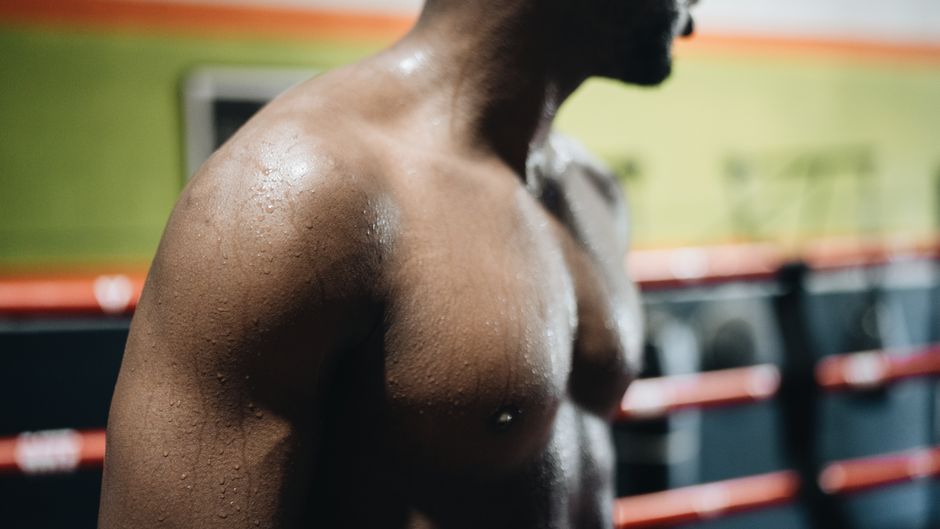
Sweating is your body’s cooling system, not its fat-burning system. When you sweat, you lose water weight, which is temporary and returns as soon as you drink fluids. The scale may drop during a sweaty workout, but that drop does not represent actual fat loss. Real weight loss happens when you burn more calories than you consume, regardless of how much you perspire.
What Does Sweating Actually Do?
Sweat is mostly water with small amounts of salt, electrolytes, and tiny traces of waste products. Your body releases it through millions of sweat glands when your core temperature rises. The sweat evaporates off your skin, and that evaporation pulls heat away from your body. That is its only real job: temperature regulation.
You sweat more when it is hot, when you are physically active, or when you are stressed. Some people sweat more than others based on genetics, fitness level, and body size. A fit person often starts sweating sooner during exercise because their body has learned to cool itself more efficiently.
None of this process burns fat directly. Fat is burned inside your cells through metabolism, not pushed out through your pores. The two processes are entirely separate.
Does Sweating Burn Calories?
Sweating itself burns very few calories. The act of producing sweat requires a tiny amount of energy, but it is negligible. You do not burn meaningful calories by sitting in a sauna or wearing a sweat suit.
The reason you burn calories during exercise is the movement itself. Your muscles need energy to contract, and that energy comes from calories. Sweating happens to accompany that movement, but it is not the cause of the calorie burn.
Some research suggests that heat exposure may slightly increase calorie expenditure because your body works to cool itself down. But the effect is small and does not produce meaningful weight loss on its own. No study has shown that sweating more leads to more fat loss.
Why the Scale Drops After You Sweat
When you weigh yourself after a heavy sweat session, the number is lower. That drop is water weight. You have literally lost fluid from your body, and that fluid has weight.
Water weight is not fat. It is a temporary change that reverses as soon as you rehydrate. Drinking a bottle of water after your workout can bring the number right back up. This is normal and healthy — your body needs that fluid back.
Athletes and wrestlers have used this effect for decades to make weight classes. They sweat heavily before weigh-ins, then rehydrate afterward. This practice is not healthy and can be dangerous, but it demonstrates exactly how sweat affects the scale.



Can Sweating Too Much Be Dangerous?
Yes. Excessive sweating without replacing fluids can lead to dehydration. Mild dehydration causes thirst, dry mouth, and darker urine. More severe dehydration can cause dizziness, confusion, rapid heartbeat, and fainting.
Heat exhaustion is another risk. When you cannot cool yourself effectively, your body temperature rises dangerously. Symptoms include heavy sweating, weakness, nausea, and headache. If untreated, heat exhaustion can progress to heat stroke, which is a medical emergency.
Electrolyte loss is also a concern. Sweat contains sodium, potassium, and chloride. Losing too many electrolytes can cause muscle cramps, weakness, and in severe cases, heart rhythm problems. This is why sports drinks exist — they replace both fluid and electrolytes.
If you sweat heavily, drink water before, during, and after activity. For workouts lasting over an hour or in extreme heat, consider an electrolyte drink. Listen to your body. If you feel dizzy or confused, stop and cool down immediately.
Does Wearing a Sweat Suit Help You Lose Weight?
No. Sweat suits and plastic wraps do not cause fat loss. They force your body to heat up and sweat more, which means you lose more water. The weight loss is temporary and returns when you rehydrate.
Wearing a sweat suit during exercise is risky. It raises your core temperature faster and increases the danger of dehydration and heat illness. Some people have suffered serious heat stroke while exercising in sweat suits.
There is no evidence that sweat suits improve fat loss compared to regular workout clothing. If anything, they make exercise more dangerous without adding any benefit. Skip the plastic wrap and wear breathable clothing instead.
How Do You Actually Lose Fat?
Fat loss happens through a calorie deficit. You must burn more calories than you consume over time. When your body needs more energy than food provides, it breaks down stored fat for fuel.
Most of the fat you lose leaves your body through your breath as carbon dioxide. When you metabolize fat, the byproducts are water and carbon dioxide. You exhale the carbon dioxide and urinate out some of the water. Only a small fraction of fat leaves through sweat.
Sustainable weight loss comes from a combination of a balanced diet and regular physical activity. Strength training helps preserve muscle mass while losing fat. Cardiovascular exercise burns calories and improves heart health. Both matter, but neither works without a calorie deficit.
Crash diets and extreme exercise programs rarely produce lasting results. Slow, steady changes are more sustainable. Aim for gradual weight loss of about 1 to 2 pounds per week, which most health organizations consider a safe and realistic rate.
Why Some People Sweat More Than Others
Fitness level plays a role. People who exercise regularly tend to sweat more and start sweating earlier. Their bodies have adapted to cool themselves more efficiently. This is a sign of fitness, not a sign of burning more fat.
Body size matters too. Larger bodies generate more heat and need to sweat more to cool down. Men often sweat more than women due to differences in body composition and hormones. Genetics also influence how many sweat glands you have and how active they are.
None of these differences mean one person is losing more fat than another. Sweat rate is not a reliable indicator of workout quality or calorie burn. Two people doing the same exercise can sweat very different amounts and burn similar calories.
The Bottom Line on Sweat and Weight Loss
Sweat is not a weight loss tool. It is a cooling mechanism. The weight you lose through sweat is water, and it comes back when you drink. Real weight loss requires a calorie deficit, which happens through diet and exercise.
Do not chase sweat. Chasing sweat leads to dehydration and dangerous heat illness. Instead, focus on consistent habits: eating nutritious foods in appropriate portions, moving your body regularly, and getting enough sleep. Those habits produce weight loss that lasts.
If you see a big drop on the scale after a hot workout, enjoy the moment but understand what it means. That number is not fat. It is water. Rehydrate, and the number will return to normal. That is how your body is supposed to work.
Frequently Asked Questions
Does sweating mean you are burning fat?
No. Sweating is your body cooling itself down, not a sign of fat burning. Fat is metabolized inside your cells, and most of it leaves your body through your breath, not your sweat.
How much weight can you lose from sweating?
The amount varies by person, but it is always water weight and always temporary. You can lose several pounds in a single intense sweat session, but that weight returns as soon as you rehydrate.
Is it bad to sweat a lot during exercise?
No, sweating during exercise is normal and healthy. It means your cooling system is working. The risk comes when you do not replace the fluids and electrolytes you lose.
Do saunas help you lose weight?
Saunas cause water loss through sweat, not fat loss. Any weight lost in a sauna is temporary and returns when you drink fluids. Saunas do not create a calorie deficit.
