
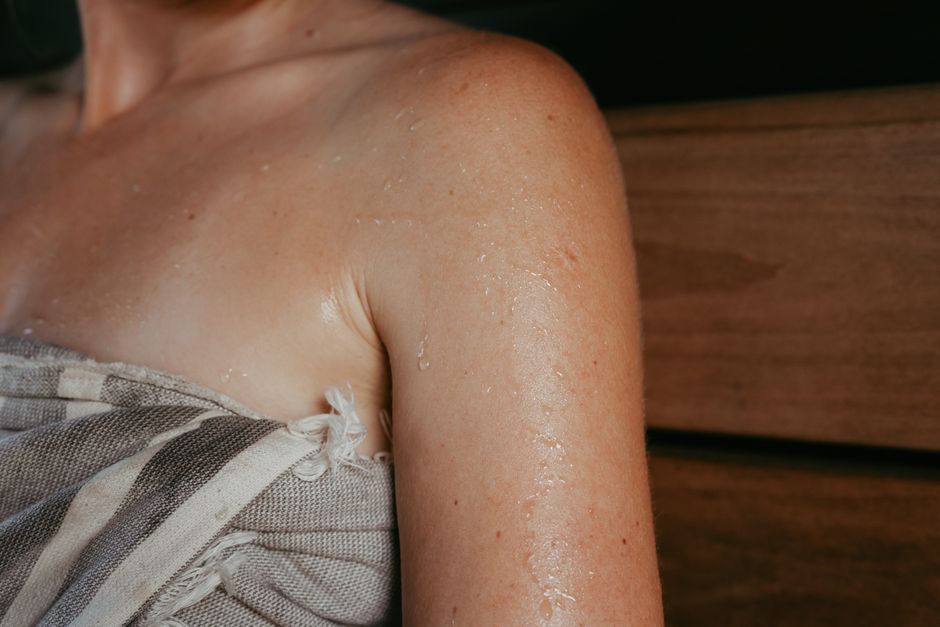
You put on deodorant and within hours your underarms are damp again. It is frustrating, but it is also completely normal. Deodorant is not designed to stop sweating — it is designed to stop odor. Antiperspirant is the product that reduces sweat, and even then, it has limits. Your armpits contain a high density of sweat glands, and your body uses them for a real purpose: temperature control. If you sweat heavily, your body is likely doing exactly what it is built to do.
Why Do Your Armpits Sweat So Much Even With Deodorant?
Deodorant does not block sweat. It only neutralizes or masks the smell that bacteria create when they break down your sweat. If you are using a deodorant and still feeling wetness, that is expected — the product was never meant to keep you dry. Sweating in the armpits is a normal response to heat, exercise, stress, and even certain foods. The amount you sweat is influenced by your genetics, your body size, your hormone levels, and your environment. Some people simply have more active sweat glands than others, and no deodorant will change that.
If you want to reduce the wetness itself, you need an antiperspirant. Antiperspirants contain aluminum-based compounds that temporarily plug the sweat duct. This physically reduces the amount of sweat that reaches the skin surface. Deodorants contain no such ingredient. Checking the label is the first step in understanding what your product can and cannot do.
What Causes Excessive Underarm Sweating?
Excessive sweating has a medical name: hyperhidrosis. It affects about 3% of the population, though some estimates are higher. When it affects the armpits specifically, it is called axillary hyperhidrosis. People with this condition sweat heavily even when they are not hot, not exercising, and not stressed. The sweat glands themselves are not abnormal in number or size — the problem is that the nerves that signal them to activate are overresponsive.
For most people, heavy armpit sweating is just a variation of normal. But if you sweat through your clothing daily, if it interferes with work or social life, or if you notice it happening while you are completely at rest in a cool room, it is worth discussing with a doctor. There are prescription treatments that work far better than over-the-counter products.
Secondary causes also exist. Hormonal changes — including menopause, pregnancy, and thyroid conditions — can increase sweating. Certain medications, including some antidepressants and fever reducers, list sweating as a side effect. Anxiety and stress activate the same nervous system pathways that trigger sweat. If your sweating started suddenly or worsened noticeably, a medical evaluation is reasonable.
Deodorant vs. Antiperspirant: What Is the Actual Difference?
These two products are often confused, but they work through completely different mechanisms.
- Deodorant targets odor. It does not stop sweat. It uses antimicrobial agents to reduce the bacteria on your skin, and fragrance to mask any smell that does develop.
- Antiperspirant targets wetness. It uses aluminum salts that form a temporary plug inside the sweat duct. Less sweat reaches the surface, which also means less food for odor-causing bacteria.
Many commercial products are both — they contain aluminum salts and antimicrobial ingredients. If your product is labeled only as a deodorant, it will not control wetness. If you want both odor control and dryness, look for a product that explicitly says “antiperspirant and deodorant” on the label.
There is one more layer worth understanding. Antiperspirants work best when applied to completely dry skin at night. The sweat ducts are less active while you sleep, which allows the aluminum to form a better plug. Applying it in the morning after a shower, when your skin is damp and you are already starting to perspire, reduces its effectiveness. This is a simple change that helps many people who feel their product is not working.
Why Do Some People Sweat More Than Others?
Genetics plays a major role. The number of sweat glands you have is largely fixed at birth, and so is how responsive those glands are to nerve signals. Some people inherit a higher baseline level of sweat output. There is no known way to permanently change this through diet, lifestyle, or topical products.
Body weight also matters. More body mass means more heat production and more surface area to cool. People who carry excess weight often sweat more because their bodies need to work harder to regulate temperature. This is not a moral failing — it is physics and physiology working together.
Fitness level is another factor, though it works in a counterintuitive way. Well-conditioned athletes start sweating earlier and produce more sweat than unfit individuals. This is actually an adaptation. Their bodies have learned to cool down more efficiently, so they begin the cooling process sooner. If you recently started exercising more, you may notice increased sweating — that is a sign your body is adapting, not a sign something is wrong.
Spicy foods, caffeine, and alcohol can also trigger sweating in some people. These substances stimulate the nervous system or dilate blood vessels, which can activate sweat glands. The effect varies widely from person to person.
What Actually Works for Heavy Armpit Sweating?
If standard antiperspirants are not enough, there are stronger options. Prescription-strength antiperspirants contain higher concentrations of aluminum chloride. They are applied at night and can significantly reduce sweating for many people. These products can cause skin irritation, so they are typically started gradually under a doctor’s guidance.
Iontophoresis is a treatment that uses a mild electrical current to temporarily disable sweat glands. It is commonly used for hands and feet, but devices exist for underarm use as well. It requires multiple sessions and ongoing maintenance. The evidence for its effectiveness in axillary hyperhidrosis is reasonable, though it is less commonly used than topical treatments.
Botulinum toxin injections — commonly known as Botox — are approved for severe underarm sweating. The toxin blocks the chemical signal that tells sweat glands to activate. The effect lasts several months, and then the injections need to be repeated. This is a medical procedure, not a cosmetic one, and it is typically reserved for people who have not responded to topical treatments.
Oral medications exist as well. Anticholinergic drugs reduce sweating throughout the body, not just in the armpits. They can cause dry mouth, blurred vision, and constipation, which limits their use. They are generally prescribed only for severe cases.
Surgical options, such as removing the sweat glands or cutting the nerves that stimulate them, are reserved for the most severe cases. They carry real risks and are considered only after other treatments have failed.
Is It Safe to Use Antiperspirant Every Day?
Yes. The aluminum compounds in antiperspirants have been studied extensively. Major health organizations have reviewed the evidence and found no consistent link between aluminum in antiperspirants and breast cancer or kidney disease. The concern that antiperspirants block toxin removal through sweat is not supported by physiology. Your body removes waste through the liver and kidneys, not through sweat.
That said, antiperspirants can irritate the skin. If you experience itching, redness, or a burning sensation, stop using the product and try a different formulation. Some people are sensitive to aluminum salts, fragrances, or other ingredients. Skin irritation from antiperspirant is a real and common issue, even if the ingredient itself is safe for most people.
For those who prefer to avoid aluminum entirely, there are aluminum-free deodorants. These will help with odor but will not reduce sweat. There is no convincing evidence that aluminum-free deodorants are healthier, but they are a reasonable option for people with sensitive skin or personal preference.
When Should You See a Doctor About Armpit Sweating?
Heavy sweating is not usually a medical emergency, but it can be a sign of an underlying condition. See a doctor if your sweating is so heavy that it soaks through clothing within minutes, if it happens while you are resting in a cool environment, or if it wakes you from sleep. Night sweats that soak your bedding are worth investigating, as they can sometimes indicate infection, hormonal issues, or other medical problems.
Sudden changes in sweating patterns also deserve attention. If you have never sweated much and suddenly begin sweating heavily, that is a different situation than lifelong heavy sweating. The same applies if you develop sweating along with fever, unexplained weight loss, or chest pain. These symptoms require prompt medical evaluation.
For most people, however, heavy armpit sweating is simply an inconvenience. It is a normal biological response, and it does not indicate poor health. If it bothers you, start with a proper antiperspirant applied at night. If that is not enough, a doctor can offer stronger options.
Frequently Asked Questions
Why does my deodorant not stop my armpits from sweating?
Because deodorant is not designed to stop sweating — it only reduces odor. You need an antiperspirant, which contains aluminum compounds that physically block sweat ducts, to reduce wetness.
Can stress cause armpit sweating even with antiperspirant?
Yes. Stress activates the same nervous system pathways that trigger sweat glands, and this response can overcome the effect of an antiperspirant. Emotional sweating is driven by different signals than heat-related sweating and is harder to block.
Is excessive armpit sweating a sign of a health problem?
Not usually. Most heavy sweating is a normal variation, but sudden changes, night sweats, or sweating accompanied by fever or weight loss should be evaluated by a doctor. If sweating has been heavy your whole life, it is most likely just how your body works.
What is the strongest treatment for underarm sweating?
Prescription antiperspirants and Botox injections are the most effective nonsurgical options. Botox temporarily blocks the nerve signal that activates sweat glands and can reduce underarm sweating for several months per treatment.
