
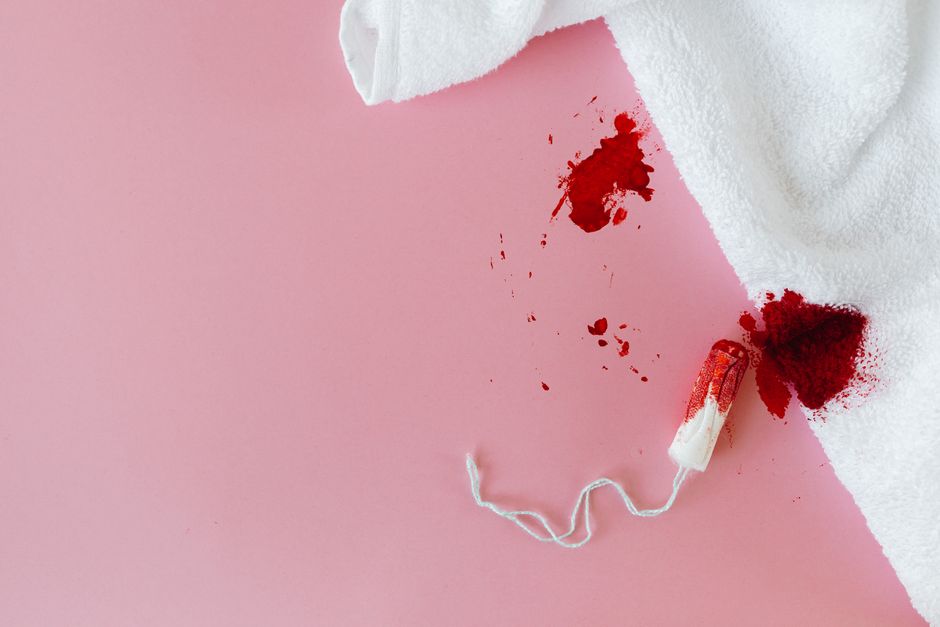
Blood stains on fabric or surfaces feel alarming, but they are not permanent. The key is acting fast and using cold water. Heat sets blood protein into fibers, making the stain nearly impossible to remove. For fresh stains, rinse with cold water immediately. For dried stains, soak in cold salt water or apply hydrogen peroxide. Each method works differently depending on the surface and how old the stain is.
Does Cold Water Really Work on Blood Stains?
Cold water is the single most effective tool for fresh blood stains. Blood contains a protein called hemoglobin. Heat causes this protein to bind tightly to fabric fibers. Cold water keeps the protein loose so it can rinse out.
The CDC and textile scientists confirm this basic principle. Rinsing a fresh blood stain under cold running water for a few minutes will remove most of it. Do not use warm or hot water at any point. Even a short blast of hot water can set the stain permanently.
For thicker fabrics like denim or cotton towels, hold the fabric under a cold tap with the stain facing down. Let the water pressure push the blood out from the back. This works better than rubbing, which can spread the stain.
Does Hydrogen Peroxide Remove Blood Stains from Fabric?
Hydrogen peroxide is widely recommended for dried blood stains, and the chemistry supports it. Hydrogen peroxide breaks down into water and oxygen gas. The oxygen bubbles lift organic material like blood away from fibers.
Research published in the Journal of Forensic Sciences has shown that hydrogen peroxide effectively degrades blood proteins on non-porous surfaces. On fabric, it works best when applied directly to the stain and allowed to fizz for a few minutes. After the fizzing stops, blot with a clean cloth and rinse with cold water.
There is one important warning. Hydrogen peroxide can bleach or discolor dark fabrics. Always test on a hidden area first. It works best on white or light-colored cotton, linen, and polyester blends. Do not use it on silk, wool, or delicate synthetics without testing first.
What Is the Best Way to Remove Dried Blood Stains?
Dried blood stains are harder but not hopeless. The protein has already bonded partially with the fibers, so you need a soaking approach. The most reliable method is a cold salt water soak.
Mix one tablespoon of table salt with one liter of cold water. Submerge the stained fabric completely and let it soak for at least one hour. For very old stains, soak overnight. The salt helps draw the blood protein out of the fibers without damaging the fabric.
After soaking, scrub the stain gently with a soft brush or your fingers. Rinse with cold water again. If the stain remains, repeat the process or move to hydrogen peroxide. Do not dry the fabric in a machine until you are sure the stain is gone. Heat from a dryer will set any remaining stain permanently.
Some people report that meat tenderizer powder mixed with cold water helps break down dried blood. Meat tenderizer contains enzymes that digest protein. There is limited clinical evidence for this, but many home cleaning guides mention it. If you try it, use a small amount and rinse thoroughly.



How To Get Rid Of Blood Stains on Mattresses and Upholstery
Mattresses and upholstery cannot be soaked, so the approach is different. You need a paste or a spray that you can apply and blot away. Cold water alone will not work well on thick foam or padding.
The most effective method is a baking soda and cold water paste. Mix three parts baking soda with one part cold water to form a thick paste. Apply it directly to the stain and let it dry completely. This usually takes 30 to 60 minutes. Once dry, vacuum the powder away. The baking soda absorbs the blood and lifts it from the fibers.
For stubborn mattress stains, hydrogen peroxide sprayed directly onto the stain works after the baking soda step. Let it fizz for five minutes, then blot with a clean towel. Repeat until the stain fades. Do not oversaturate the mattress. Excess moisture can lead to mold growth inside the foam.
Enzyme-based stain removers, which you can find in most grocery stores, also work well on organic stains like blood. These products contain natural enzymes that digest protein. They are safe for most upholstery fabrics but always check the label first.
How To Remove Blood Stains from Carpet and Hard Surfaces
Carpet requires a blotting method, not scrubbing. Scrubbing pushes blood deeper into the carpet fibers and spreads the stain. Start by blotting fresh blood with a clean cloth soaked in cold water. Press down firmly and lift. Do not rub.
For dried blood on carpet, mix one tablespoon of dish soap with two cups of cold water. Apply the solution to the stain with a spray bottle. Blot with a cloth. Repeat until the stain lifts. If the stain remains, use hydrogen peroxide on a white cloth and dab the stain gently. Carpet fibers are usually colorfast, but test in a hidden corner first.
Hard surfaces like tile, concrete, or countertops are much easier. A solution of one part bleach to ten parts water will remove blood stains from non-porous surfaces. For porous stone like marble or granite, use hydrogen peroxide instead of bleach. Bleach can etch or discolor natural stone. Rinse all hard surfaces thoroughly after cleaning.
One common mistake is using hot water on carpet stains. Many people assume hot water cleans better. For blood, it does the opposite. Hot water sets the stain into the carpet fibers permanently.
What Cleaning Products Should You Avoid for Blood Stains?
Several popular cleaning products will make blood stains worse. Avoid them completely. The table below summarizes what works and what does not.
| Product | Effect on Blood Stains | Recommendation |
|---|---|---|
| Cold water | Lifts fresh stains effectively | Use immediately |
| Hydrogen peroxide | Breaks down dried blood proteins | Use on colorfast fabrics only |
| Baking soda paste | Absorbs blood from mattresses | Safe for most surfaces |
| Hot water | Sets stain permanently | Never use |
| Bleach | Removes color but may damage fabric | Use only on white cotton |
| Rubbing alcohol | Can spread stain on porous surfaces | Avoid on fabric |
| Vinegar | May set protein in some fabrics | Not recommended |
Rubbing alcohol is sometimes suggested for ink stains but does not work well on blood. It can thin the blood and spread it across a larger area. Vinegar is acidic and can react with blood proteins in unpredictable ways. Some people report success with vinegar, but the evidence is inconsistent. Stick with cold water, hydrogen peroxide, and baking soda for reliable results.
Common Misconceptions About Blood Stain Removal
One common myth is that you should scrub blood stains hard to get them out. Scrubbing damages fabric fibers and pushes blood deeper. Always blot or soak instead. Another myth is that any stain remover will work. Most commercial stain removers are designed for food or grass stains and do not break down blood proteins effectively.
Some people believe that blood stains are impossible to remove after they dry. This is not true. Dried stains take longer and require soaking, but they are removable. The key is patience. Do not give up after one attempt. Repeat the cold soak or hydrogen peroxide application two or three times if needed.
There is also a misconception that you should use hot water to “kill germs” in blood stains. Hot water does kill some germs, but it also sets the stain. The CDC recommends cold water for blood stain removal from fabric. If you are concerned about germs, wash the fabric in cold water first, then run a hot water cycle after the stain is gone.
Frequently Asked Questions
Can you remove blood stains with just cold water?
Yes, for fresh stains. Rinse under cold running water immediately and most of the blood will wash out.
Does hydrogen peroxide damage colored clothes?
It can bleach or fade dark fabrics. Always test on a hidden area before applying to a visible stain.
How long should you soak dried blood stains?
At least one hour in cold salt water. For very old stains, soak overnight and repeat if necessary.
Is it possible to remove blood stains from a mattress?
Yes, using a baking soda paste followed by hydrogen peroxide. Blot gently and avoid oversaturating the foam.
