
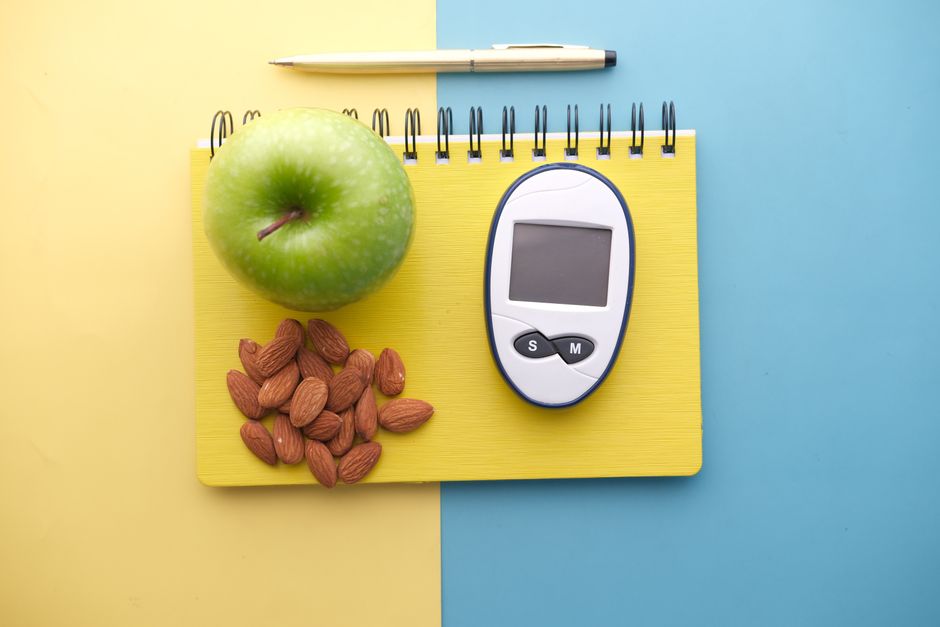
High blood sugar does not have to stay high. Several evidence-backed methods can reliably lower it. The most effective approaches are dietary changes, physical activity, and, when prescribed, medication. What brings blood sugar down depends on your situation, but these three strategies form the foundation.
How Does Food Affect Blood Sugar?
Food has a direct impact on blood sugar. Carbohydrates raise it because your body breaks them down into glucose. But not all carbs act the same. Fiber-rich foods such as vegetables, beans, and whole grains slow digestion and prevent sharp spikes. Protein and fat also help by delaying how fast glucose enters the bloodstream.
One of the most studied dietary patterns for lowering blood sugar is eating fewer refined carbohydrates and sugars. Replacing white bread, sugary drinks, and pastries with vegetables, lean protein, and healthy fats consistently reduces blood sugar levels. Some research suggests that eating protein before carbohydrates at a meal may also help blunt the rise in blood sugar afterward.
Portion size matters. Even healthy carbohydrates can raise blood sugar if you eat too much at once. The total amount of carbohydrate you eat in a sitting is the biggest dietary factor in blood sugar control.
Can Exercise Lower Blood Sugar Quickly?
Yes, exercise can lower blood sugar both during and after activity. Muscles use glucose for energy, and contraction pulls sugar out of the bloodstream without needing as much insulin. This effect can last for hours after you finish.
Aerobic exercise like brisk walking, jogging, or cycling tends to lower blood sugar quickly. Resistance training also helps by increasing muscle mass, which improves your body’s ability to store glucose over time. The best approach is a mix of both. Even a short 10- to 15-minute walk after a meal can lower post-meal blood sugar.
Be aware: if you have diabetes and take insulin or certain oral medications, exercise can sometimes cause blood sugar to drop too low. Check with your healthcare provider before starting a new exercise routine.
Do Certain Drinks Help Lower Blood Sugar?
Water is the most reliable drink for lowering blood sugar. Dehydration concentrates glucose in the blood, so drinking enough water helps your kidneys flush out excess sugar through urine. Aim for plain water, not sweetened beverages.
Unsweetened tea and coffee have been linked to lower blood sugar levels in some studies. The antioxidants in these drinks may improve insulin sensitivity. But adding sugar or flavored syrups cancels the benefit. Avoid sugary sodas, fruit juices, and energy drinks — they raise blood sugar rapidly.
Alcohol is more complicated. Small amounts, especially with food, may temporarily lower blood sugar. But larger amounts can cause dangerous drops hours later, especially for people on diabetes medication. If you choose to drink, do so cautiously and never on an empty stomach.




What About Medications and Insulin?
For people with diabetes, medications are often necessary to bring blood sugar down. Metformin is the most common first-line drug for type 2 diabetes. It reduces the amount of glucose your liver releases and improves your body’s response to insulin.
Other classes of diabetes medications work in different ways. Some stimulate your pancreas to release more insulin. Others slow carbohydrate digestion or increase glucose excretion through urine. Insulin therapy replaces or supplements the body’s own insulin.
These treatments are prescription-only and should be managed by a healthcare professional. Do not adjust or start medication on your own — incorrect dosing can cause dangerously low blood sugar.
Does Sleep and Stress Affect Blood Sugar?
Yes, both sleep and stress play significant roles. When you don’t get enough sleep, your body releases more cortisol and other stress hormones. These hormones raise blood sugar by signaling your liver to release stored glucose. Chronic sleep deprivation can lead to higher average blood sugar levels.
Stress has a similar effect. During stressful times, your body enters a “fight or flight” mode, releasing hormones that increase blood sugar. While this is normal in short bursts, ongoing stress keeps blood sugar elevated. Deep breathing, meditation, and regular physical activity can help manage stress and stabilize blood sugar.
Does Weight Loss Help Lower Blood Sugar?
Losing excess body fat, especially around the abdomen, improves insulin sensitivity. Insulin is the hormone that moves glucose from your blood into your cells. When cells become more sensitive to insulin, blood sugar naturally drops.
Even modest weight loss — about 5 to 7 percent of your body weight — has been shown in clinical trials to lower blood sugar and may prevent or delay type 2 diabetes. The effect is most pronounced when weight loss is sustained through diet and exercise.
What Brings Blood Sugar Down?
To summarize what brings blood sugar down: reducing carbohydrate intake, especially refined carbs and sugar; being physically active regularly; staying well-hydrated; getting adequate sleep; managing stress; and losing excess weight if needed. For people with diabetes, medications and insulin are also essential tools.
The combination of these strategies works better than any single one. Blood sugar is influenced by many factors, so a comprehensive approach is more effective than relying on a quick fix. Check with your doctor to create a plan tailored to your health needs.
Frequently Asked Questions
Can drinking water lower blood sugar fast?
Water can help lower blood sugar over time by preventing dehydration, but it does not work instantly. It supports your kidneys in removing excess glucose, so staying hydrated is important for blood sugar management.
Does walking after a meal lower blood sugar?
Yes, a short walk after eating helps muscles use glucose from the meal, which can lower post-meal blood sugar. Even 10 to 15 minutes of walking can make a difference.
Are natural supplements effective for lowering blood sugar?
Some research suggests that supplements like cinnamon, berberine, and chromium may have modest effects on blood sugar. However, evidence is limited, and supplements should not replace proven treatments or lifestyle changes.
How quickly can blood sugar drop after eating less carbs?
Blood sugar typically begins to drop within a few hours of a low-carbohydrate meal as your body uses glucose and insulin levels adjust. Consistent low-carb eating can lead to lower average blood sugar over several days.
