
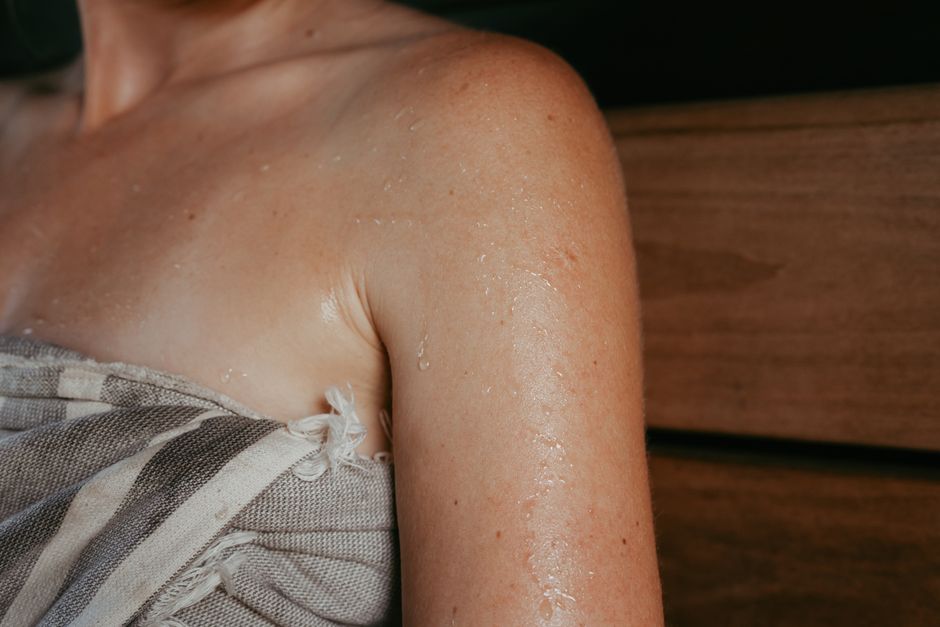
You are not alone in this, and it is not something you are imagining. Sweating under your breasts happens because that area of your skin is constantly pressed against itself, creating a warm, moist environment with very little airflow. Your body has a high density of sweat glands there, and when heat and friction combine, your natural cooling system kicks into overdrive. For many women, this is a daily annoyance that has nothing to do with being out of shape or poor hygiene — it is simply how your body works in that specific spot.
What Causes Excessive Sweating Under the Breasts?
The medical term for excessive sweating in this area is inframammary hyperhidrosis. It sounds complicated, but the cause is straightforward. Your breasts create a skin fold where sweat gets trapped. Heat builds up between the skin layers, and your sweat glands respond by producing more moisture to cool you down.
Hormones play a big role here. Estrogen fluctuations during your menstrual cycle, pregnancy, or perimenopause can make your sweat glands more active. The American Academy of Dermatology notes that hormonal shifts are one of the most common triggers for localized sweating. If you notice the sweating gets worse at certain times of the month, hormones are likely the reason.
Your bra choice matters more than you might think. Underwire bras and those with thick padding trap heat against your skin. The fabric creates a barrier that stops sweat from evaporating. Sports bras that are too tight can make things worse by pressing your breasts flat against your chest, eliminating any air gap that might exist.
Weight is a factor for some women, but not in the way you might assume. Extra tissue in the chest area can create a deeper skin fold, which means more surface area for sweat to accumulate. However, women of all sizes experience this problem. It is not exclusive to any body type.
Can Antiperspirants Help With Under-Breast Sweating?
Yes, clinical-strength antiperspirants can reduce sweating under your breasts. Many women do not think to use them there because they associate antiperspirants only with underarms. The same active ingredient — aluminum chloride — works just as well on other skin folds.
Research published in the Journal of the American Academy of Dermatology shows that antiperspirants with 15 to 20 percent aluminum chloride can reduce localized sweating by up to 50 percent in most people. You apply it at night when your sweat glands are less active, and it forms temporary plugs that block sweat release.
You need to be careful with this approach. The skin under your breasts is thinner and more sensitive than your underarms. Some women develop irritation, redness, or a burning sensation. If you try this, start with a lower concentration and apply it only to completely dry skin. Never apply it right after shaving or if you have any rash or broken skin.
There is a difference between antiperspirants and deodorants. Antiperspirants block sweat. Deodorants only mask odor. If your goal is to stay dry, you need an antiperspirant. Many products marketed for “intimate areas” are deodorants only, and they will not stop the sweating.
What Home Remedies Actually Work for Under-Breast Sweat?
Cornstarch and baby powder are popular, but they are not the best options. Cornstarch can actually feed yeast if you already have a mild fungal infection under your breasts. Many women do without realizing it. The moisture under your breasts creates an ideal environment for Candida, the same yeast that causes vaginal infections.
Powders that contain zinc oxide or talc-free formulations are safer choices. Zinc oxide has mild antifungal properties and helps keep the skin barrier intact. Look for body powders specifically designed for moisture control rather than baby powders, which are mostly fragrance and absorb very little sweat.
Cotton bras are better than synthetic ones, but they are not a cure. Cotton absorbs moisture, but it holds onto it. Once your cotton bra is wet, it stays wet against your skin. Moisture-wicking fabrics like those used in athletic wear pull sweat away from your skin and let it evaporate. Many bra manufacturers now make moisture-wicking bras specifically for this problem.
Changing your bra once during the day can make a noticeable difference. If you are at home or have access to a bathroom, swapping out a damp bra for a dry one in the middle of the day reduces the time your skin stays wet. This simple step can prevent the rash and irritation that often come with constant sweating.



When Should You See a Doctor for Under-Breast Sweating?
You should see a doctor if the sweating comes with a rash, itching, or a strong odor. These are signs of intertrigo, a skin inflammation caused by moisture and friction, or a yeast infection. Both conditions are treatable and common, but they do not go away on their own if you keep sweating.
A rash under your breasts that looks red, raw, or has small bumps needs attention. Your doctor can prescribe an antifungal cream or a mild steroid cream to calm the inflammation. Over-the-counter antifungal creams like clotrimazole work for mild cases, but prescription strength is often needed once the skin is broken or very irritated.
If you have tried antiperspirants, changed your bras, and used powders without relief, you may have a condition called primary focal hyperhidrosis. This means your sweat glands in that specific area are overactive for no obvious reason. The International Hyperhidrosis Society estimates that about 3 percent of the population has this condition. It is not dangerous, but it can affect your quality of life.
For severe cases, doctors can offer prescription treatments. Glycopyrrolate is an oral medication that reduces sweating throughout your body. It works well but can cause dry mouth and blurred vision. Botox injections are another option. The FDA has approved Botox for underarm sweating, and many dermatologists use it off-label for other areas including under the breasts. The effects last about six months.
Does Why Do I Always Sweat Under My Breasts Change With Menopause?
Yes, menopause often makes under-breast sweating worse. Hot flashes and night sweats are well-known menopause symptoms, but localized sweating in skin folds is less discussed. The drop in estrogen affects your body’s temperature regulation center in the brain. Your body becomes more sensitive to small changes in temperature and responds by sweating more.
Research from the North American Menopause Society shows that about 75 percent of women experience hot flashes during menopause, and many report increased sweating in the chest and breast area specifically. This is not just a feeling of being warm — it is actual sweat production that can soak through clothing.
Hormone replacement therapy can reduce these symptoms for some women. If your under-breast sweating is tied to hot flashes, treating the underlying hormone imbalance often helps. However, HRT carries risks, and it is not recommended solely for sweating. You would need to discuss the full picture with your gynecologist.
Lifestyle adjustments become more important during this stage. Keeping your home and workspace cool, using a small fan directed at your chest, and wearing layers that you can remove quickly can help you manage sudden sweating episodes. These are not cures, but they make the situation more manageable day to day.
What Products and Clothing Choices Actually Reduce Under-Breast Sweat?
Not all products marketed for this problem work. Below is a comparison of common solutions based on what evidence and user experience show:
| Product Type | How It Works | Effectiveness | Considerations |
|---|---|---|---|
| Clinical antiperspirant | Blocks sweat ducts with aluminum salts | High – reduces sweat by about 50% | Can irritate sensitive skin; apply at night only |
| Moisture-wicking bra | Pulls sweat away from skin using synthetic fibers | Moderate – keeps skin drier than cotton | Needs to fit well; tight bras make sweating worse |
| Zinc oxide powder | Absorbs moisture and protects skin barrier | Moderate – good for preventing rash | Does not stop sweating; only manages moisture |
| Cornstarch or baby powder | Absorbs moisture | Low – can feed yeast if infection present | Not recommended by dermatologists for this area |
| Botox injections | Blocks nerve signals to sweat glands | Very high – stops sweating for 6 months | Expensive; requires a dermatologist; off-label use |
Your bra fit is the single most important factor you can control. A bra that fits properly creates a small gap between your breast tissue and your chest wall. This gap allows air to circulate. A bra that is too tight flattens everything together and traps heat. Get professionally fitted if you have not done so in the last year. Many women wear the wrong band size without realizing it.
Bra liners are a practical option that many women overlook. These are thin, absorbent pads that sit between your breast and your bra. They catch sweat before it soaks into your bra fabric. You can buy reusable ones made from bamboo or microfiber. Some women use panty liners stuck to the inside of their bra as a cheap alternative. It is not elegant, but it works.
Antifungal powders containing miconazole or clotrimazole are worth keeping on hand if you get recurrent rashes. These are sold as athlete’s foot powders, but they work the same way under your breasts. Use them preventively during hot weather or after exercise when you know you will sweat heavily.
Frequently Asked Questions
Is it normal to sweat under my breasts every day?
Yes, daily sweating under the breasts is normal for many women, especially in warm weather or during exercise. It becomes a concern only if you develop a rash, odor, or skin irritation.
Can losing weight stop under-breast sweating?
Weight loss can reduce the depth of the skin fold under your breasts, which may decrease sweating. It does not eliminate the sweat glands in that area, so some sweating will likely continue.
What is the best fabric to wear to reduce under-breast sweat?
Moisture-wicking synthetic fabrics like nylon, spandex, and polyester blends work better than cotton. These fabrics pull sweat away from your skin so it can evaporate rather than staying trapped.
Should I use deodorant under my breasts?
Deodorant will mask odor but will not stop sweating. If you want to reduce moisture, use a clinical antiperspirant instead. Apply it only to clean, dry skin at night.
