
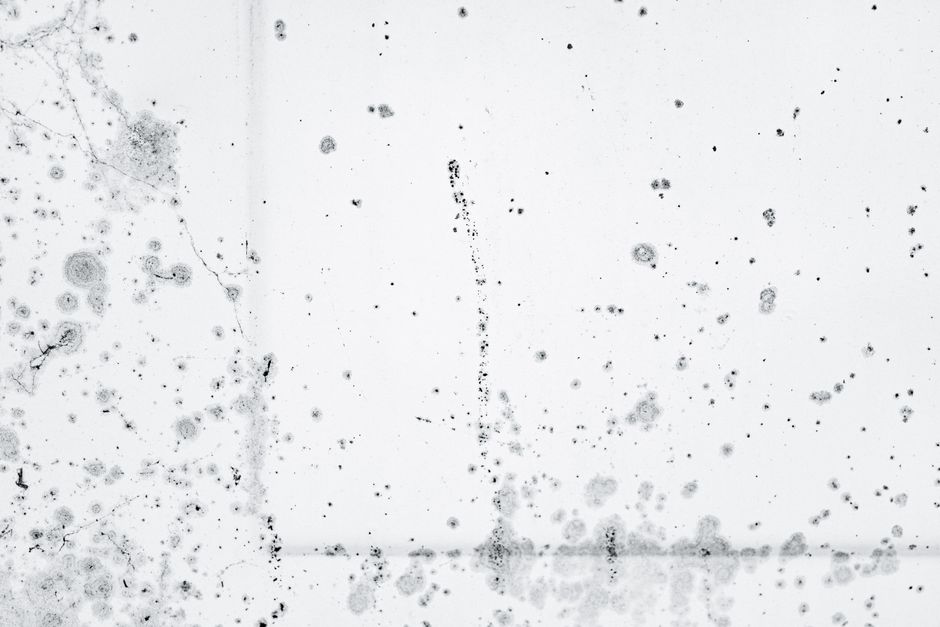
Black mold, often called Stachybotrys chartarum, is dangerous because it produces mycotoxins that can cause serious respiratory problems, allergic reactions, and, in rare cases, more severe health issues. Research from the Centers for Disease Control and Prevention (CDC) links mold exposure to asthma attacks, lung infections, and inflammation. The real danger is not that it will poison you quickly, but that long-term exposure can gradually damage your lungs and immune system.
What Exactly Is Black Mold and Where Does It Grow?
Black mold is a greenish-black fungus that needs constant moisture to survive. It does not grow on dry surfaces. It feeds on materials that contain cellulose, like wood, drywall, paper, and cardboard.
You usually find it in places with water damage that has not been fixed quickly. Leaky pipes, flooded basements, roof leaks, and damp bathrooms are common spots. The mold grows inside walls, under carpets, and in ceiling tiles where you might not see it right away.
The CDC states that mold is found everywhere indoors and outdoors. The problem starts when mold grows unchecked in large amounts inside your home. That is when the concentration of spores in the air becomes high enough to affect your health.
Why Is Black Mold So Dangerous What Science Says About Health Risks
Science shows that the main health risk from black mold is respiratory. The mold releases tiny spores into the air. When you breathe them in, they can irritate your airways and trigger inflammation.
Research published in the journal Environmental Health Perspectives found that people living in homes with visible mold had a 30% to 50% higher risk of developing asthma symptoms. For people who already have asthma, mold exposure can make attacks more frequent and severe.
Beyond asthma, studies have linked mold to allergic rhinitis (stuffy or runny nose), sinus infections, and hypersensitivity pneumonitis. This last condition is a rare but serious lung inflammation that looks like pneumonia. It happens when your immune system overreacts to mold particles you inhale repeatedly.
The idea that black mold causes memory loss, bleeding lungs, or personality changes is not supported by strong evidence. The CDC and the World Health Organization (WHO) have reviewed these claims and found no reliable proof. The real danger is to your lungs and immune system, not your brain.
Who Is Most at Risk From Black Mold?
Not everyone reacts the same way to black mold. Some people can live in a moldy home for years without obvious symptoms. Others get sick within weeks.
People with the highest risk include:
- Infants and young children, because their lungs are still developing
- Older adults, especially those with weakened immune systems
- People with asthma, allergies, or other chronic lung conditions
- Anyone undergoing chemotherapy or taking immunosuppressant drugs
- People with cystic fibrosis or chronic obstructive pulmonary disease (COPD)
The CDC reports that people with compromised immune systems are more likely to get fungal infections from mold. These infections can be serious and hard to treat. For healthy adults, the risk is lower but not zero. Long-term exposure can still cause chronic sinus problems and fatigue.





How Black Mold Affects Your Home and What to Look For
Black mold does not just affect your health — it damages your home too. It eats away at wood, drywall, and insulation. Over time, it can weaken the structure of your house.
You can often spot black mold by its look and smell. It appears as dark green or black patches that look slimy when wet and powdery when dry. The smell is musty and earthy, like wet dirt or rotting wood.
If you suspect mold but cannot see it, look for signs of water damage. Peeling paint, bubbling wallpaper, warped wood, and dark stains on ceilings or walls are all clues. You might also notice that the air feels damp or that certain rooms smell musty even after cleaning.
A study from the National Institutes of Health (NIH) found that homes with a history of flooding had mold in 50% of cases, even after visible water was gone. The mold was often hidden behind walls or under floors.
What Actually Works to Remove Black Mold Safely
Removing black mold is not a DIY job for large areas. The Environmental Protection Agency (EPA) says that any mold patch larger than 10 square feet (about 3 feet by 3 feet) should be handled by a professional. Small areas can be cleaned yourself if you do it correctly.
For small patches, use soap and water or a commercial mold cleaner. Do not use bleach. The EPA has stated that bleach does not kill mold on porous surfaces like wood or drywall. It only makes the mold look gone while the roots stay alive and grow back.
Here is a comparison of common cleaning methods:
| Method | Works on Non-Porous Surfaces | Works on Porous Surfaces | Safe for Daily Use |
|---|---|---|---|
| Soap and water | Yes | No | Yes |
| Bleach | Yes | No | No (fumes) |
| Vinegar | Some | Some | Yes |
| Hydrogen peroxide (3%) | Yes | Yes | Yes |
| Professional remediation | Yes | Yes | Yes |
When cleaning mold, always wear gloves, goggles, and an N95 mask. Open windows for ventilation. Throw away anything that is heavily moldy and cannot be cleaned, like old carpets or cardboard boxes.
The most important step is fixing the moisture problem. Mold will keep coming back if the area stays damp. Fix leaks, improve ventilation, and use a dehumidifier in basements and bathrooms.
Common Misconceptions About Black Mold
There is a lot of misinformation about black mold online. Some of it is harmless, but some can lead people to make bad decisions about their health and home.
Myth: Black mold is the only dangerous mold. All molds can cause health problems if you are sensitive to them. Black mold is not uniquely toxic. The term “black mold” is used loosely and often refers to any dark-colored mold.
Myth: You can kill mold by painting over it. Paint does not kill mold. It covers it temporarily. The mold will continue to grow underneath and eventually push through the paint. You must remove the mold completely before painting.
Myth: A home mold test tells you if the mold is dangerous. There are no government standards for safe levels of mold in homes. The CDC advises against routine mold testing. It is more useful to find and fix the moisture problem than to measure how much mold is present.
Myth: Black mold causes brain damage. This claim comes from a few old case reports that have not been replicated. Large reviews by the WHO and the CDC found no evidence that black mold causes neurological damage in humans. The real risks are to the lungs and immune system.
Frequently Asked Questions
How long does it take for black mold to make you sick?
It varies from person to person. Some people develop symptoms within days, while others may not notice anything for months. People with allergies or asthma tend to react faster.
Can black mold grow in dry areas?
No. Black mold needs moisture to grow. If you keep the humidity below 50% and fix leaks quickly, mold will not grow. This is why dehumidifiers and good ventilation are important.
Is it safe to sleep in a room with black mold?
No, it is not safe. Sleeping in a moldy room means you are breathing in spores for 6 to 8 hours straight. This can worsen allergies, trigger asthma, and cause sinus problems over time.
Do air purifiers remove black mold spores?
HEPA air purifiers can capture mold spores from the air, but they do not stop mold from growing. You must remove the source of the mold and fix the moisture problem for an air purifier to be helpful.
