
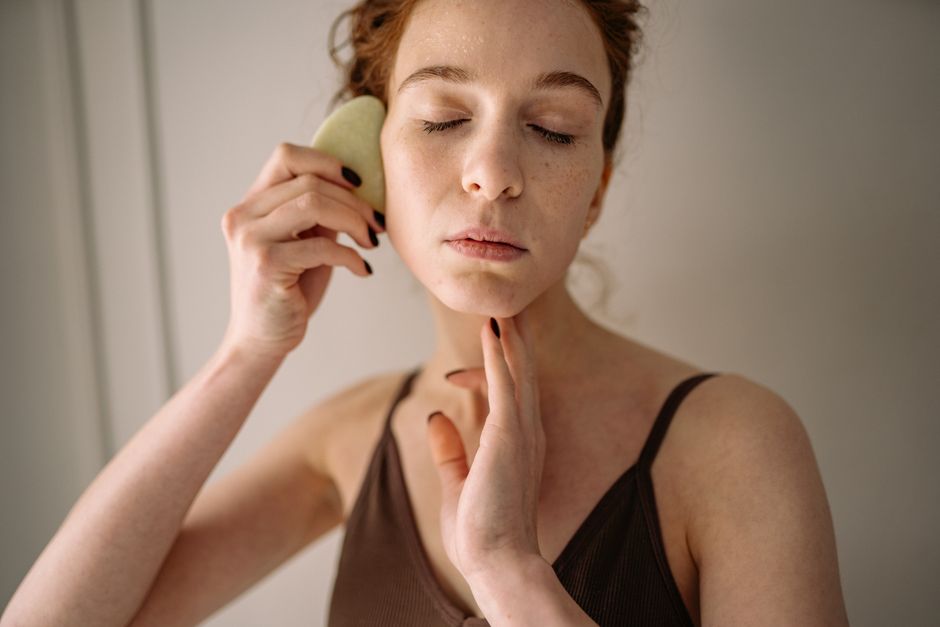
A puffy face in the morning is usually fluid retention or mild inflammation, not fat. The fastest fixes are cold therapy, gentle facial massage, and reducing your salt intake from yesterday. These methods work by constricting blood vessels and helping lymphatic fluid drain, which directly reduces the swelling you see in the mirror.
What Actually Causes a Puffy Face?
Facial puffiness is mostly about fluid. Your body holds onto water in the soft tissues under your skin, and the face is a common place for it to show. This is called edema, and it is usually harmless when it happens overnight.
The main contributors are well documented. A high-sodium meal pulls water into your tissues. Alcohol dehydrates you, which makes your body retain water as a defense mechanism. Hormonal changes, especially around a menstrual cycle, can also cause visible puffiness. Even sleeping flat can allow fluid to pool in your face because gravity is not helping drain it away.
Allergies are another common cause. Histamine release makes small blood vessels leak fluid into surrounding tissue, which causes swelling. This is why antihistamines are sometimes part of the fix for a puffy face.
In most cases, morning puffiness fades on its own within a few hours as you move around and gravity does its job. The quick fixes below speed up that process.
How To Get Rid Of A Puffy Face Quick Fixes That Work
Cold is the most reliable immediate fix. Cold causes vasoconstriction, which means your blood vessels get narrower. This reduces the amount of fluid leaking into your face tissues. A cold compress, chilled spoons, or a washcloth soaked in cold water pressed against your face for five to ten minutes will visibly reduce puffiness.
Facial massage is the second most effective quick fix. Your face has a network of lymphatic vessels that drain fluid into lymph nodes in your neck. Gentle massage moves that fluid along. Use your fingertips or a cold facial roller and stroke outward from the center of your face toward your ears, then down your neck. This follows the natural direction of lymphatic drainage. Move in slow, light strokes. Pressing too hard can irritate the skin or bruise it.
Hydration sounds counterintuitive when your face is puffy, but it works. If you are dehydrated from alcohol or too much salt, drinking water tells your body it does not need to hold onto fluid anymore. Drink a glass of water right away and keep sipping through the morning.
Caffeine is a mild diuretic. A cup of coffee or tea can help your body shed excess fluid. The effect is modest, and it does not replace the need for water, but it can contribute to a less puffy face within an hour or two.
How Long Does a Puffy Face Take To Go Down?
Quick fixes produce visible results in roughly 15 to 30 minutes. Cold therapy and massage work fastest because they physically move fluid and shrink blood vessels. The effect is temporary, though. If the underlying cause is still there, the puffiness can return.
Complete resolution depends on what caused the puffiness. A high-salt meal from the night before usually clears within 12 to 24 hours as your kidneys process the excess sodium. Alcohol-related puffiness typically resolves within a day. Allergy-related puffiness lasts as long as the allergen is present and your immune system is responding.
If your face is still puffy after 24 hours despite these measures, the cause may be something other than diet or sleep position. Persistent facial swelling that does not improve warrants a medical evaluation.





What To Do Tonight To Prevent Morning Puffiness
Prevention starts with what you consume in the evening. Keep sodium moderate at dinner. Processed foods, restaurant meals, and cured meats are the biggest sodium sources. A single high-sodium meal can cause visible puffiness the next morning.
Alcohol is a major contributor. Even one or two drinks can lead to dehydration and the rebound water retention that follows. If you drink, match each alcoholic beverage with a glass of water.
Sleep position matters. Sleeping on your back with your head elevated on an extra pillow lets gravity drain fluid away from your face overnight. Sleeping face down or on your stomach presses your face into the pillow and traps fluid.
Your skincare routine can help too. Some people find that a light moisturizer in the evening prevents the skin from drying out, which reduces the inflammatory response overnight. This is not a proven clinical intervention, but it is a common practice among dermatologists for general skin health.
When To See a Doctor About Facial Swelling
Most morning puffiness is not a medical problem. But facial swelling can sometimes signal something serious, and it is important to know the difference.
See a doctor if the puffiness is sudden and severe, especially if it comes with difficulty breathing, hives, or swelling of the lips or tongue. This can be a sign of a severe allergic reaction called anaphylaxis, which is a medical emergency.
Facial swelling accompanied by pain, redness, or warmth could indicate an infection. Dental infections, sinus infections, and skin infections can all cause facial swelling and need medical treatment.
Persistent puffiness that does not go away, or puffiness that spreads to your hands, feet, or abdomen, can point to kidney, liver, or thyroid problems. These conditions affect fluid balance in the body and can cause generalized swelling. If you notice this pattern, mention it to your doctor.
Some blood pressure medications and steroids cause facial puffiness as a side effect. If you started a new medication and noticed the swelling after, talk to your prescriber. Do not stop a prescribed medication without medical guidance.
Do Facial Exercises and Gua Sha Really Work?
Facial exercises are popular on social media, but the evidence for them is thin. No large clinical trials have confirmed that facial exercises reduce puffiness. Some small studies suggest they may tone facial muscles over time, but they do not specifically target fluid retention. For quick puffiness relief, massage is more effective than exercise.
Gua sha, a traditional Chinese practice that involves scraping the skin with a smooth tool, works on the same principle as manual massage. It stimulates lymphatic drainage. Some people report visible de-puffing after a gua sha session. The evidence is mostly anecdotal. No controlled studies have confirmed its effectiveness for facial puffiness specifically. That does not mean it does not work. It means the research has not been done.
If you try gua sha, use light pressure and always move in the direction of lymphatic flow — from the center of the face outward and down the neck. Never use it on broken skin or an active rash.
What About Ice Rollers and Cold Face Masks?
Ice rollers and gel face masks kept in the freezer are popular tools for de-puffing. They work through the same mechanism as a cold compress: vasoconstriction. The cold reduces blood flow to the area, which decreases fluid leakage into the tissues.
These tools are safe for most people when used properly. Wrap the roller or mask in a thin cloth if it feels too cold against your skin. Never apply ice directly to your skin for more than a few minutes at a time, as this can cause frostbite or skin damage.
People with cold sensitivity, Raynaud syndrome, or poor circulation should avoid intense cold therapy on the face. If you have any of these conditions, stick to gentle massage and hydration instead.
Quick Summary of What Works
- Cold compress or chilled facial roller — constricts blood vessels and reduces fluid leakage. Visible results in 10–15 minutes.
- Gentle lymphatic massage — moves trapped fluid toward lymph nodes. Use light outward strokes.
- Water — rehydrates and signals your body to release retained fluid.
- Caffeine — mild diuretic effect that helps shed excess fluid.
- Elevated sleep position — prevents fluid from pooling overnight.
- Lower sodium intake — addresses the root cause of most morning puffiness.
If puffiness persists beyond 24 hours, becomes painful, or comes with other symptoms like breathing trouble or hives, seek medical attention. Quick fixes are for the occasional puffy morning, not for ongoing swelling.
Frequently Asked Questions
Does drinking water help a puffy face?
Yes, drinking water helps if your puffiness is from dehydration or high salt intake. Rehydration tells your body it does not need to hold onto fluid, so it releases the excess.
How long does a puffy face last after a salty meal?
Puffiness from a salty meal usually clears within 12 to 24 hours. Your kidneys need time to process the extra sodium, and drinking water can speed this up.
Is a puffy face a sign of weight gain?
No, a puffy face is typically fluid retention, not fat. Fat accumulates slowly over weeks and months, while puffiness appears overnight and resolves within a day.
Can allergies cause a puffy face?
Yes, allergies cause facial swelling by releasing histamine, which makes blood vessels leak fluid into tissues. Antihistamines can reduce this type of puffiness.
