
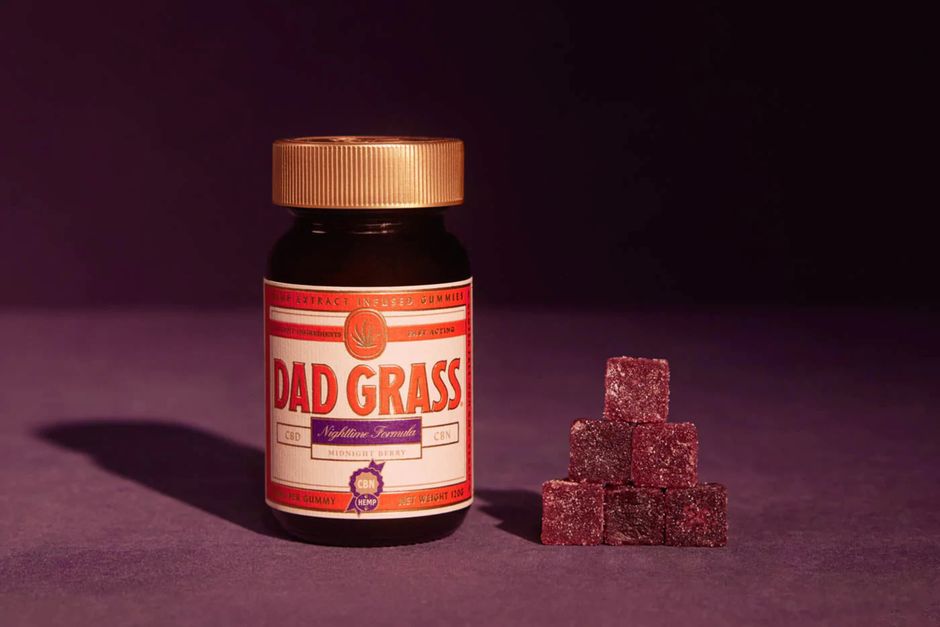
CBD gummies are one of the most popular ways to take cannabidiol, but they work differently than oils or vapes. Most people feel the effects of a CBD gummy within 45 minutes to two hours, and the effects typically last four to six hours. The delay happens because the gummy must travel through your digestive system before the CBD enters your bloodstream. This is slower than other methods, but the effects also tend to last longer.
How Long Do CBD Gummies Take To Work And Last?
The short answer is that CBD gummies take 45 minutes to two hours to kick in, and the effects last four to six hours. Some people feel effects sooner, and some feel them longer. Your body weight, metabolism, and whether you have eaten recently all change the timing.
Unlike vaping or using a tincture under the tongue, a gummy must be broken down by your stomach and liver. This process is called first-pass metabolism. It slows down the onset but also spreads the release of CBD over a longer period. That is why the effects of a gummy feel steadier than a vape, which peaks quickly and fades faster.
Why Do CBD Gummies Take Longer Than Oils or Vapes?
The route matters more than the dose. When you vape CBD, it enters your lungs and moves directly into your bloodstream. You feel it in minutes. When you place oil under your tongue, the CBD absorbs through the mucous membranes and enters your blood faster than swallowing it.
A gummy goes down your esophagus, into your stomach, and then to your liver. The liver processes much of the CBD before it ever reaches your bloodstream. This reduces the amount that reaches your system and delays the onset. It is not a flaw in the product. It is simply how oral digestion works.
Eating a high-fat meal before taking a gummy can change the timing. Some research suggests that fatty foods increase CBD absorption, but they can also slow down stomach emptying. The result is a longer wait before you feel anything.
What Affects How Fast a CBD Gummy Works?
Several factors determine whether you feel a gummy in 45 minutes or need to wait closer to two hours.
- Metabolism: People with faster metabolisms process CBD quicker. This means faster onset but also a shorter duration of effects.
- Body weight: CBD is fat-soluble. It distributes into fatty tissues, so people with higher body weight may need a higher dose to feel the same effect.
- Food in your stomach: An empty stomach generally means faster absorption. A full stomach, especially with fatty food, delays onset but may increase total absorption.
- Dose: Higher doses produce more noticeable effects, which can make the onset feel more obvious. A low dose may be so subtle you do not notice it at all.
- Product quality: The gummy itself matters. Some gummies contain CBD isolate, while others use full-spectrum extract. Full-spectrum products contain other cannabinoids and terpenes that may influence how the CBD feels.
No two people process CBD identically. If you try a gummy and feel nothing after two hours, you may need a higher dose or a different product. You should not take another gummy immediately. Wait at least a full day before adjusting your dose.




How Long Do the Effects Last?
Most people report that the effects of a CBD gummy last four to six hours. Some feel lingering effects for up to eight hours, especially with higher doses. The duration depends on the same factors that affect onset time.
A slower metabolism means CBD stays in your system longer. A higher dose also extends the duration. The effects are not always obvious. CBD does not produce a “high” like THC. You may simply notice that you feel calmer or more relaxed. Some people use CBD for sleep and find that a gummy taken an hour before bed helps them stay asleep through the night.
CBD itself has a half-life of roughly 18 to 32 hours, meaning it stays in your body long after the noticeable effects fade. The duration of the effect is different from how long the compound remains detectable in your system.
Is There a Difference Between Hemp Gummies and CBD Gummies?
Yes, and the difference matters. Hemp gummies are often made from hemp seed oil, which contains no CBD. They may be marketed as calming or wellness products, but they do not deliver cannabidiol. CBD gummies are made from hemp extract that contains actual CBD.
Check the label before buying. A product that says “hemp gummies” without listing CBD content likely contains none. A genuine CBD gummy will state the milligrams of CBD per gummy on the label. If the label only mentions “hemp extract” and does not specify CBD, you are probably buying a seed oil product.
This distinction explains why some people take gummies and feel nothing. They may have purchased a product with no active CBD. Always verify the third-party lab test results if they are available.
Does the Type of CBD Matter?
CBD gummies come in three main forms: isolate, broad-spectrum, and full-spectrum.
Isolate contains pure CBD with no other cannabinoids. It is the simplest form and the most predictable. Broad-spectrum contains other cannabinoids and terpenes but no THC. Full-spectrum contains all the compounds found in the hemp plant, including trace amounts of THC (under 0.3% in federally legal products).
Some research suggests that full-spectrum products may be more effective than isolate because of the entourage effect. This theory proposes that cannabinoids and terpenes work better together than alone. The evidence is not conclusive, but it is a reasonable consideration when choosing a product.
If you are subject to drug testing, be cautious with full-spectrum products. Even trace amounts of THC can sometimes show up on sensitive tests. Broad-spectrum or isolate products are safer choices in that situation.
How Much CBD Should You Take?
There is no official recommended dose for CBD. The FDA has not established a standard serving size for CBD gummies. This is important to understand before you buy.
Most commercially available gummies contain between 10 mg and 25 mg of CBD per piece. Some contain more. Clinical studies have used a wide range of doses, from 25 mg to 600 mg per day, depending on the condition being studied. These studies are not interchangeable with consumer products.
If you are new to CBD, a reasonable starting point is a low dose, such as 10 mg to 15 mg. Pay attention to how you feel over several days. You can adjust gradually, but do not take multiple gummies at once without understanding the total dose. No clinical guidelines currently exist for CBD dosing in healthy adults, so proceed conservatively.
Are There Side Effects?
CBD is generally well tolerated, but side effects do occur. The most commonly reported side effects are drowsiness, dry mouth, diarrhea, and changes in appetite or weight. These effects are more likely with higher doses.
CBD can also interact with medications. It affects liver enzymes that break down many prescription drugs. If you take blood thinners, seizure medications, or antidepressants, talk to your doctor before using CBD. Some interactions can raise the level of your medication to a dangerous range.
Pregnant and breastfeeding women should avoid CBD. The FDA advises against it, and no adequate safety studies exist for this population. Children should only use CBD under the supervision of a physician, typically for specific conditions like certain seizure disorders.
What About the Claim That CBD Gummies Are a “Cure-All”?
No evidence supports the idea that CBD cures diseases. The FDA has approved one CBD-based medication, Epidiolex, for two rare forms of childhood epilepsy. That approval is specific and narrow. It does not extend to anxiety, pain, insomnia, or any other condition.
Some studies suggest CBD may help with anxiety, chronic pain, and sleep. The evidence is promising but not definitive. Many studies are small, and results vary. Some research indicates that CBD’s effect on anxiety may depend heavily on dose, with low doses sometimes having little effect and high doses being more effective. The evidence is mixed, and more research is needed.
Marketing claims that CBD gummies can cure anxiety, cancer, or any other condition are not supported by science. Treat such claims with skepticism.
How Should You Choose a CBD Gummy?
Look for a product with clear labeling. The label should state the amount of CBD per gummy, the type of CBD, and the total number of gummies. It should also list the other ingredients.
Third-party lab testing is the most reliable way to verify what is in the product. Many reputable brands publish lab results on their websites. These tests confirm the CBD content and check for contaminants like heavy metals, pesticides, and mold. If a brand does not provide lab results, that is a red flag.
Be aware that the FDA does not regulate CBD products as drugs. They are sold as dietary supplements, which means they do not undergo the same safety and efficacy review as medications. The quality varies significantly between brands.
Frequently Asked Questions
How fast do CBD gummies work?
Most people feel the effects within 45 minutes to two hours. The gummy must pass through your digestive system before the CBD enters your bloodstream.
How long does a CBD gummy last?
The effects typically last four to six hours. Higher doses and slower metabolisms can extend the duration to eight hours.
Can I take a CBD gummy on an empty stomach?
Yes, an empty stomach generally leads to faster absorption. Eating a high-fat meal before taking a gummy may delay onset but can increase total CBD absorption.
Will a CBD gummy make me feel high?
No. CBD does not produce a high. Only THC, another cannabinoid, causes psychoactive effects. Full-spectrum gummies contain trace amounts of THC but not enough to cause a high.
