
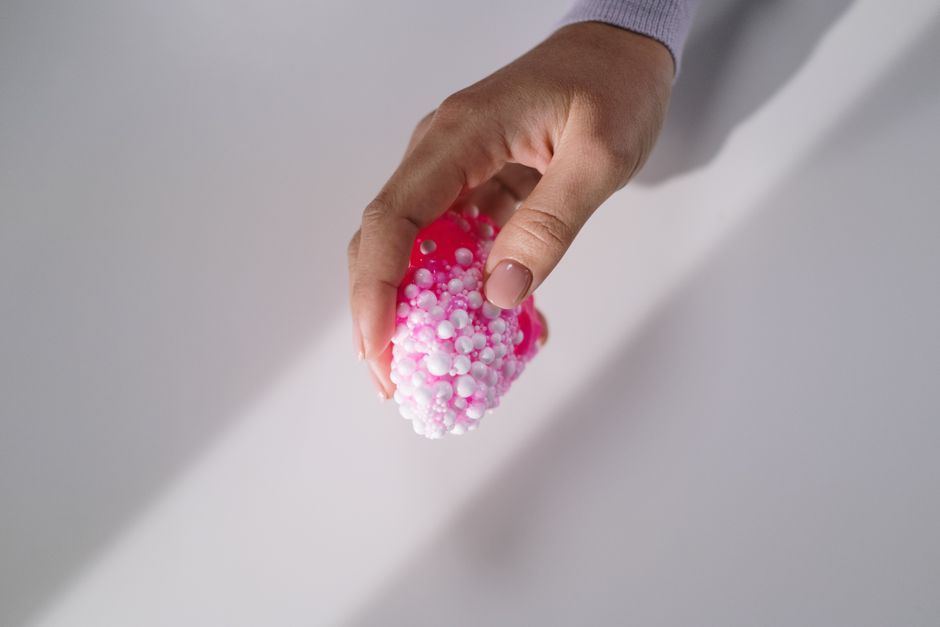
Sticky slime is frustrating. You mix it, you knead it, and it still clings to everything in sight. The good news is that sticky slime is almost always fixable. The most reliable fix is adding an activator, like borax solution or contact lens solution, in tiny amounts until the slime pulls away from your hands cleanly. If you do not have an activator on hand, you can also try kneading the slime longer, letting it rest, or using a small amount of lotion or cornstarch to change its texture. Here is how to fix sticky slime with four easy methods.
Why Does Slime Turn Sticky in the First Place?
Slime gets sticky when the chemical reaction that forms it is incomplete. Slime works because of a process called cross-linking. The glue contains long chains of polyvinyl acetate molecules. When you add an activator, those chains link together. The more they link, the thicker and less sticky the slime becomes.
If you did not add enough activator, the chains stay loose. The result is a wet, sticky mess that sticks to your skin and surfaces. Humidity also plays a role. Water in the air can soften the slime and make it stickier over time. Even the type of glue matters. Clear glue and white glue behave differently, and both can need different amounts of activator.
The fix is always the same in principle: add more cross-linking, remove moisture, or change the surface texture. Each of the four methods below targets one of those angles.
How To Make Your Slime Less Sticky 4 Easy Fixes
The fastest and most reliable way to fix sticky slime is to add more activator. This is the same solution you used to make the slime in the first place. Whether you use borax solution, contact lens solution, or liquid starch, the goal is to encourage more cross-linking.
Here is the key: add it in very small amounts. A few drops at a time is the right pace. Add the activator, knead it in thoroughly, and check the texture. If it is still sticky, add a few more drops. Over-activating is a real risk. If you add too much, the slime becomes stiff and rubbery, and it can crack when you stretch it. That mistake is harder to reverse than stickiness.
If you are using borax, dissolve a small amount in warm water first. One-quarter teaspoon of borax powder in one cup of warm water is a common ratio. If you are using contact lens solution, make sure it contains boric acid and sodium borate. Those are the ingredients that actually activate the slime. Some contact lens solutions do not contain them and will not work as activators.
Knead for several minutes after each addition. Kneading is not optional. It physically mixes the activator into the glue and helps the cross-linking happen evenly. Slime that looks sticky on the outside can become perfectly smooth after a few minutes of firm kneading.
Does Kneading Alone Fix Sticky Slime?
Sometimes yes. Kneading is the cheapest fix because it costs nothing and requires no extra ingredients. When you knead slime, you are doing two things. You are working the existing activator through the mixture, and you are warming the slime with your hands. Warmth makes the slime more pliable and helps the molecules move into a more even arrangement.
This works best when the slime is only slightly sticky. If the slime is so wet that it leaves residue on your hands, kneading alone will not fix it. You need a chemical change, not just physical mixing. But if the slime is only sticking to your fingers a little, give it five to ten minutes of steady kneading before you add anything else.
Wash and dry your hands before you knead. Oils and moisture from your skin can make the stickiness worse. Some people also find that letting the slime sit for a few minutes after kneading helps. The resting period gives the cross-linking reaction time to finish.





Can Lotion Or Cornstarch Fix Sticky Slime?
Yes, but these are texture fixes, not chemical fixes. Lotion and cornstarch do not create more cross-linking. Instead, they coat the surface of the slime with a barrier that keeps it from clinging to your skin.
Lotion works best for slime that is a little dry and tacky. A pea-sized amount of plain, unscented lotion is enough to start. Knead it in completely. The lotion softens the slime and reduces surface stickiness. Be careful not to add too much. Lotion can quickly turn slime into a greasy, runny mess that loses its stretch.
Cornstarch works differently. It acts like a dry lubricant. Sprinkle a small pinch onto the slime and knead it in. The cornstarch absorbs some moisture and creates a smooth, powdery surface. This is a good option for slime that is wet and sticky but already has enough activator. Cornstarch will change the texture, making the slime slightly less glossy and more matte.
Neither of these methods fixes the underlying problem. They mask the stickiness. If you want a long-term fix, you still need to balance the activator. Use lotion or cornstarch as a quick rescue, not as the permanent solution.
Does Letting Slime Rest Help With Stickiness?
Resting can help, but it depends on why the slime is sticky. If the slime is sticky because the activator has not fully reacted, resting gives the reaction time to finish. The cross-linking continues even after you stop kneading. Leaving the slime in an airtight container for a few hours or overnight can noticeably reduce stickiness.
If the slime is sticky because of humidity, resting in a container will not help. The moisture is already in the slime. You would need to add activator or cornstarch to compensate. Resting also will not help if the slime is under-activated by a large margin. A slime that is barely holding together needs more activator, not more time.
One practical tip: store your slime in an airtight container when you are not using it. Exposure to air dries out the surface, which can create a crust. That crust can make the slime feel stiff and less stretchy, which is a different problem from stickiness. Airtight storage keeps the moisture level stable.
What If The Slime Is Still Sticky After Trying These Fixes?
If you have added activator, kneaded, rested, and tried lotion or cornstarch, and the slime is still sticky, the problem might be the recipe itself. Some glue-to-activator ratios are simply off. If you used a recipe with too much glue or too little activator, the slime may never reach the right consistency no matter what you add.
Another possibility is that your activator is not actually working. Check the ingredients. Borax solution requires real borax powder. Contact lens solution requires boric acid and sodium borate. Liquid starch works with white glue but does not work well with clear glue. If your activator is not compatible with your glue, no amount of it will fix the stickiness.
At this point, the most honest advice is to start over. Slime ingredients are inexpensive. A failed batch is not a waste. It is a learning experience. Use the same glue but add the activator more slowly and in smaller increments. Write down how much you used so you can adjust next time.
How To Prevent Sticky Slime From the Start
Prevention is easier than fixing. The most common cause of sticky slime is adding the activator too quickly. When you dump in a large amount at once, the reaction happens unevenly. Parts of the slime become over-activated while other parts stay sticky. Slow, steady additions give you control.
Start with less activator than the recipe calls for. You can always add more. You cannot take it out. This is the single most important habit to develop. It applies to every slime recipe and every type of activator.
Also pay attention to your environment. High humidity makes slime stickier. If you are making slime on a humid day, you may need slightly more activator than usual. If you are making slime in a dry climate, you may need slightly less. The same recipe can behave differently depending on the weather.
Frequently Asked Questions
What is the fastest way to make slime less sticky?
Adding a few drops of activator and kneading it in is the fastest fix. Contact lens solution with boric acid works well, as does a borax and water solution.
Can I use hand lotion to fix sticky slime?
Yes, a small amount of lotion can reduce surface stickiness. Use only a pea-sized amount and knead it in completely to avoid making the slime greasy.
Why is my slime sticky even after I added activator?
The activator may not be compatible with your glue, or you may not have added enough. Check that your contact lens solution contains boric acid, and add more activator in tiny increments.
Does temperature affect slime stickiness?
Yes, heat and humidity can make slime stickier. Warm, humid conditions soften the slime and increase surface tack. Storing it in a cool, dry place can help.
