
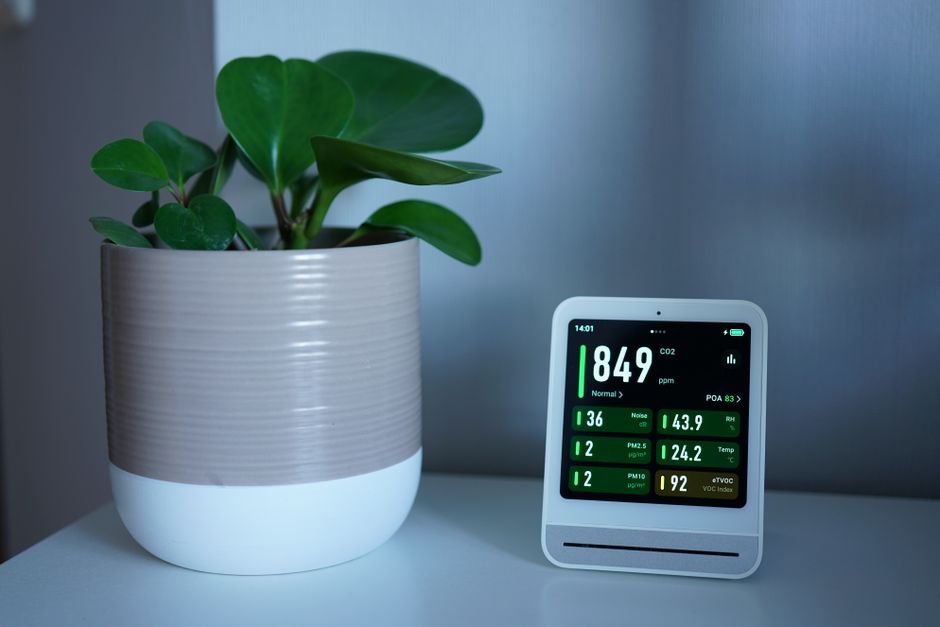
Indoor air quality (IAQ) refers to the air quality within and around buildings and structures, especially as it relates to the health and comfort of the people living and working inside. Poor indoor air quality is caused by pollutants like dust, mold, chemicals, and gases, which can lead to immediate effects such as headaches and fatigue, as well as long-term respiratory and cardiovascular issues. Fixing indoor air quality involves controlling pollution sources, improving ventilation, and using air purifiers or filters to reduce contaminant levels.
What Is Indoor Air Quality Causes Effects Fixes?
Indoor air quality is the condition of the air inside your home, office, or other enclosed spaces. Most people spend roughly 90% of their time indoors, so the air you breathe at home or work matters more than most people realize. The Environmental Protection Agency (EPA) has consistently ranked indoor air pollution among the top five environmental health risks.
The causes of poor IAQ are numerous. They include combustion sources like gas stoves and fireplaces, building materials that off-gas chemicals, household cleaning products, personal care items, pet dander, dust mites, and biological contaminants like mold and pollen. Outdoor air pollution can also seep indoors through windows, doors, and ventilation systems.
The effects range from mild to severe. Short-term exposure can cause eye, nose, and throat irritation, headaches, dizziness, and fatigue. Long-term exposure is more concerning. Some studies link prolonged exposure to certain indoor pollutants with respiratory diseases, heart disease, and even cancer. The fixes are practical and often simple: identify and remove or reduce the source, increase fresh air circulation, and filter the air you breathe.
What Are the Main Causes of Poor Indoor Air?
Indoor air pollution comes from many sources. Some are obvious. Others are silent and invisible. Understanding where pollutants come from is the first step to controlling them.
Combustion sources are major contributors. Gas stoves, wood-burning fireplaces, and tobacco smoke release carbon monoxide, nitrogen dioxide, and fine particles. These pollutants can irritate the lungs and worsen asthma. If you cook with gas, you are exposed to higher levels of nitrogen dioxide than you would be with an electric stove. This is well documented in environmental health research.
Volatile organic compounds (VOCs) are another significant problem. These are chemicals that evaporate at room temperature. They come from paints, varnishes, adhesives, new carpets, furniture, and many cleaning products. Some VOCs like formaldehyde can off-gas from pressed wood products for years. The “new car smell” or “new furniture smell” you notice is actually a mix of VOCs being released into the air.
Biological contaminants include mold, bacteria, viruses, pollen, dust mites, and pet dander. These thrive in humid conditions. Bathrooms, kitchens, and basements are common problem areas. Dust mites feed on dead skin cells and live in bedding, upholstered furniture, and carpets. Their droppings are a major asthma trigger for many people.
Outdoor pollutants also make their way inside. Radon is a radioactive gas that enters homes through cracks in the foundation. It is the second leading cause of lung cancer after smoking. Particulate matter from vehicle exhaust and industrial emissions can infiltrate homes, especially in urban areas or near busy roads.
What Health Effects Can Poor Indoor Air Cause?
The health effects of poor indoor air quality appear on two timelines: immediate and long-term. Both matter, but they affect people differently.
Immediate effects show up shortly after a single exposure or repeated exposures to a pollutant. These include irritation of the eyes, nose, and throat, headaches, dizziness, and fatigue. Many people mistake these symptoms for a cold or allergies. The key difference is that symptoms often improve when you leave the building or space. This is sometimes called “sick building syndrome” when it affects multiple people in the same building.
Long-term effects are more serious. They can develop over years of exposure. Respiratory diseases like asthma and chronic bronchitis are strongly linked to poor indoor air. Some research suggests that children who grow up in homes with high levels of indoor pollutants are more likely to develop asthma. Lung cancer is linked to radon exposure and secondhand smoke. There is also emerging evidence connecting long-term exposure to fine particulate matter with cardiovascular disease.
Certain groups are more vulnerable than others. Infants and young children breathe more air per pound of body weight than adults. Their lungs are still developing. Older adults and people with pre-existing heart or lung conditions are also at higher risk. Pregnant women should be cautious as well, since some indoor pollutants can affect fetal development.
Not everyone reacts the same way to the same pollutant levels. Some people are highly sensitive. Others show no symptoms at all. This variability makes indoor air quality a personal health consideration, not just a general environmental one.





How Can You Test Indoor Air Quality?
Testing indoor air quality is not as simple as testing tap water. There is no single test that measures everything. You need to test for specific pollutants based on your concerns and circumstances.
Radon testing is the most important test for most homeowners. Radon is colorless, odorless, and radioactive. The EPA recommends testing all homes for radon. Short-term test kits are available at hardware stores and online. They typically sit in your home for 2 to 7 days and are then mailed to a lab for analysis. If levels are 4 picocuries per liter (pCi/L) or higher, the EPA recommends fixing the problem. Long-term tests measure levels for more than 90 days and give a more accurate picture of your average exposure.
Mold testing is more complicated. There are air sampling kits that can detect mold spores, but their results are often difficult to interpret. A better approach is to look for visible mold and moisture problems. If you see mold, you have a mold problem regardless of what air sampling says. Fix the moisture issue and remove the mold.
Carbon monoxide detectors are not technically air quality tests, but they are essential safety devices. Carbon monoxide is an odorless, colorless gas that can be fatal. Every home should have a CO detector on every level. This is not optional. It is a safety requirement.
VOC testing is available but less common. Professional testing can measure specific chemical levels in your home. This is most useful if you have recently renovated, bought new furniture, or suspect a specific chemical source. Home test kits for VOCs exist but are less reliable than professional testing.
For most people, the most practical approach is not to test everything. Instead, look for signs of problems. Visible mold, musty odors, and symptoms that improve when you leave home all point to indoor air problems. Address those first.
What Are the Most Effective Fixes for Indoor Air Pollution?
Fixing indoor air quality is not about buying expensive equipment. It is about three basic strategies: remove the source, improve ventilation, and filter the air. In that order.
Source control is the most effective fix. If you remove the source of pollution, you solve the problem completely. This means not smoking indoors, fixing water leaks promptly, and choosing low-VOC paints and products. It means cleaning regularly to reduce dust and pet dander. It means using exhaust fans in kitchens and bathrooms to remove moisture and combustion byproducts.
Some source fixes are simple. Take your shoes off at the door to avoid tracking in pollutants. Use unscented, fragrance-free cleaning products. Open windows when using strong chemicals like paint or solvents. Store firewood outside, not in the garage or basement.
Ventilation is the second fix. Fresh outdoor air dilutes indoor pollutants. Modern homes are built tight for energy efficiency, which means less natural air exchange. Opening windows for even 10 minutes a day can significantly improve air quality. In rooms without windows, like bathrooms, exhaust fans are essential.
Mechanical ventilation systems, like heat recovery ventilators (HRVs) or energy recovery ventilators (ERVs), bring in fresh air while exhausting stale air. These are more expensive but are valuable in tightly sealed homes. They are particularly useful in colder climates where opening windows is not practical most of the year.
Air filtration is the third line of defense. Air purifiers with HEPA filters can remove particulate matter like dust, pollen, and smoke. They do not remove gases or VOCs. For that, you need activated carbon filters. Some air purifiers combine both types of filtration.
When choosing an air purifier, look at the Clean Air Delivery Rate (CADR). This rating tells you how quickly the device cleans a room of a specific size. Choose a unit that matches your room size. Running a small purifier in a large open space will not be effective.
Your HVAC system also matters. Change your furnace and air conditioner filters regularly. The standard fiberglass filters do little more than protect the equipment. Pleated filters with a MERV rating of 8 to 13 can remove more particles from the air. If you have allergies or asthma, consider a higher MERV rating.
Can Houseplants Improve Indoor Air Quality?
Houseplants are often promoted as natural air purifiers. The reality is more nuanced. A well-known NASA study from 1989 found that certain plants could remove VOCs from sealed chambers. This research is frequently cited by plant sellers and wellness brands.
However, the study conditions do not match real homes. The plants were tested in small, airtight chambers with very high pollutant concentrations. A typical home is much larger and has continuous air exchange. To match the plant-to-air ratio of the NASA study, you would need roughly 10 to 100 plants per square meter of floor space. That is a dense indoor jungle, not a few pots on a shelf.
Some research does support a modest benefit. A review of studies published in the Journal of Exposure Science and Environmental Epidemiology found that houseplants can reduce certain VOCs, but the effect is small compared to ventilation. Plants can remove some pollutants, but they are not a replacement for source control, ventilation, or filtration.
Plants do help in other ways. They add humidity to dry indoor air. Some people find them calming and pleasant to be around. But if your goal is cleaner air, focus on the basics first. Fix leaks, increase airflow, and use a good air purifier. Add plants for their other benefits, not as your primary air quality strategy.
How Does Humidity Affect Indoor Air Quality?
Humidity is a critical but often overlooked factor in indoor air quality. Both too much and too little humidity cause problems.
High humidity (above 60 percent) creates conditions where mold, dust mites, and bacteria thrive. These biological contaminants are major triggers for allergies and asthma. High humidity also increases the off-gassing of formaldehyde from pressed wood products. Condensation on windows and walls is a sign that humidity is too high.
Low humidity (below 30 percent) is also problematic. Dry air dries out your mucous membranes, making you more susceptible to respiratory infections. It exacerbates conditions like eczema and asthma. It also increases static electricity and can damage wooden furniture and flooring.
The ideal indoor relative humidity range is between 30 and 50 percent. A simple hygrometer costs less than $15 and can tell you where you stand.
To reduce humidity, use exhaust fans in bathrooms and kitchens, fix leaks promptly, and consider a dehumidifier in damp basements. To increase humidity, use a humidifier, particularly in winter when heating systems dry out the air. Keep your humidifier clean. Dirty humidifiers can release mold spores and bacteria into the air you breathe.
Frequently Asked Questions
What is the most common indoor air pollutant?
Particulate matter and volatile organic compounds (VOCs) are among the most common indoor pollutants. Sources include cooking, cleaning products, building materials, and tobacco smoke.
How often should I change my HVAC filter?
Check your filter monthly and replace it when it looks dirty, typically every 1 to 3 months. Homes with pets or allergy sufferers may need more frequent changes.
Do air purifiers actually work?
Yes, HEPA air purifiers effectively remove particulate matter like dust, pollen, and smoke from the air. They do not remove gases or VOCs, so choose a unit with activated carbon if those are a concern.
Can poor indoor air quality cause long-term health problems?
Yes, long-term exposure to indoor pollutants is linked to respiratory diseases, cardiovascular problems, and lung cancer. Radon and secondhand smoke are the most serious long-term risks.
