
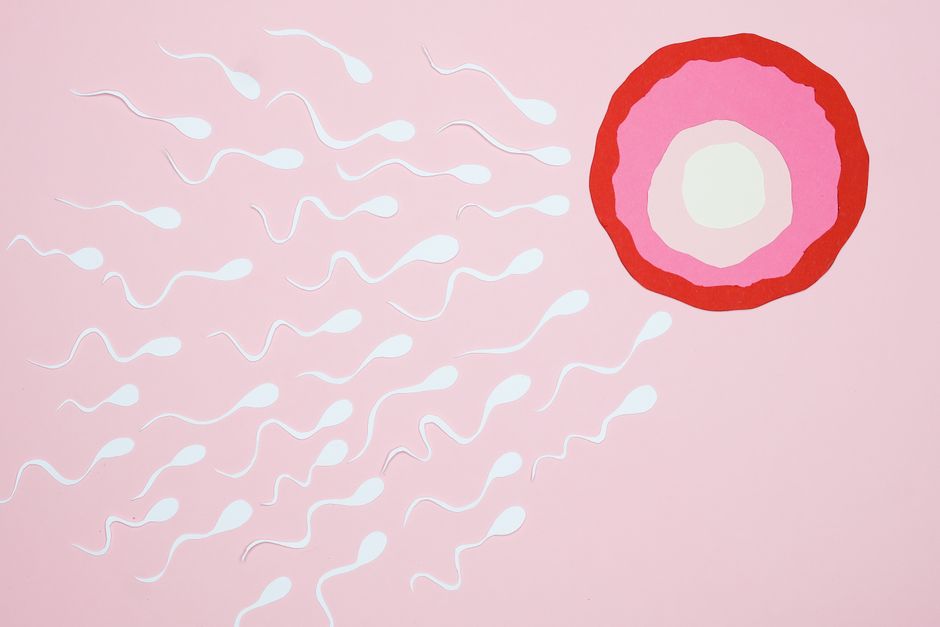
Male fertility depends on healthy sperm, and diet, daily habits, and supplements all play a real role. Sperm production takes about 64 days, so changes you make today affect sperm that will be ready months from now. The evidence is strongest for weight management, quitting smoking, limiting alcohol, and correcting nutrient deficiencies. Supplements help most when you actually have a deficiency or a diet that lacks key nutrients.
What Does Sperm Health Actually Mean?
Sperm health is measured by three main things: count, motility, and morphology. Count is how many sperm are in your semen. Motility is how well they move. Morphology is their shape and structure. All three matter for conception.
Doctors also look at DNA fragmentation, which measures damage inside the sperm’s genetic material. High DNA fragmentation is linked to lower fertility and higher miscarriage rates, even when count and motility look normal.
Most fertility clinics use reference ranges from the World Health Organization. A normal count is 15 million sperm per milliliter or more. Normal motility is at least 40 percent moving. Normal morphology is at least 4 percent with normal shape. These are not guarantees of fertility — they are statistical thresholds below which conception takes longer.
Which Foods Are Proven To Support Sperm Production?
No single food is a magic bullet. The pattern that shows up in research is a balanced diet rich in antioxidants, healthy fats, and key micronutrients.
The Mediterranean diet has the strongest evidence. Studies consistently link this eating pattern — heavy on vegetables, fruits, whole grains, fish, olive oil, and nuts — with better sperm parameters. One large study published in the journal Human Reproduction found that men following a Mediterranean-style diet had higher sperm counts and better motility than men eating a more Western diet.
Foods that appear repeatedly in the research include:
- Oysters, beef, and pumpkin seeds — high in zinc, which supports testosterone production and sperm formation
- Brazil nuts — one nut provides more than a full day of selenium, a mineral involved in sperm structure
- Leafy greens like spinach and kale — rich in folate, which helps DNA synthesis in sperm
- Berries, dark chocolate, and citrus — high in antioxidants that protect sperm from oxidative damage
- Fatty fish like salmon and sardines — provide omega-3 fatty acids found in sperm membranes
- Eggs — contain choline and cholesterol, both needed for sperm cell membranes
Processed meats, sugary drinks, and trans fats show the opposite pattern. Studies link these with lower sperm counts and poorer motility. The mechanism appears to be oxidative stress and inflammation, both of which damage sperm DNA.
What Daily Habits Improve Sperm Quality?
Lifestyle factors often matter more than any single supplement. These are the habits with the strongest evidence behind them.
Quit Smoking
Smoking damages sperm DNA. The chemicals in cigarette smoke create oxidative stress that fragments genetic material. Studies show smokers have lower counts, worse motility, and more abnormal shapes than nonsmokers. The damage is dose-dependent — more cigarettes means worse sperm. Quitting improves parameters within months.
Limit Alcohol
Heavy drinking reduces testosterone and impairs sperm production. The evidence on moderate drinking is mixed, but the safest approach for conception is to keep alcohol minimal. Binge drinking is clearly harmful.
Keep Your Testicles Cool
Sperm production runs best at a temperature a few degrees below body temperature. That is why testicles hang outside the body. Anything that raises scrotal temperature can reduce sperm output. This includes hot tubs, saunas, tight underwear, and sitting for long periods.
Laptop use on the lap and prolonged cycling with a tight seat also raise scrotal temperature. The effect is reversible — cooling down restores production over a full sperm cycle.
Exercise Moderately
Regular moderate exercise improves sperm quality. Men who are physically active have better counts and motility than sedentary men. But extreme endurance training can have the opposite effect. Marathon training and intense cycling have been linked with temporary drops in sperm parameters, likely from heat and stress.
Manage Stress
Chronic stress raises cortisol, which can suppress testosterone. The research here is less direct, but the link between high stress and lower sperm quality appears in multiple studies. Sleep also matters — men who sleep fewer than six hours or more than nine hours per night show lower sperm counts in some research.



Which Supplements Have Real Evidence?
Supplements are not a substitute for a good diet. But certain nutrients have genuine evidence for improving sperm parameters, particularly in men with deficiencies or suboptimal levels.
Before starting any supplement for fertility, get a blood test. Taking high doses of nutrients you do not need can cause problems. Excess zinc, for example, interferes with copper absorption and can cause its own issues.
Zinc
Zinc is essential for sperm formation and testosterone synthesis. Men with low zinc levels show improved sperm count and motility after supplementation. The research is strongest in men who are actually deficient. The recommended daily allowance for adult men is 11 milligrams.
Coenzyme Q10
CoQ10 is an antioxidant that supports energy production in cells. Sperm need significant energy to move. Several small trials show CoQ10 supplementation improves motility and reduces DNA fragmentation. Doses in studies typically range from 200 to 300 milligrams daily.
Selenium
Selenium is a component of selenoproteins, some of which are structural proteins in sperm. One study in infertile men with low selenium showed improved sperm motility after supplementation. The recommended daily allowance is 55 micrograms. Do not exceed 400 micrograms daily — selenium toxicity is real.
Folate
Folate is needed for DNA synthesis. Some research suggests that men with low folate have more sperm DNA abnormalities. The evidence for supplementation in men with normal levels is weak. The recommended daily allowance is 400 micrograms.
Omega-3 Fatty Acids
Sperm membranes contain high levels of DHA, an omega-3 fat. Several studies show omega-3 supplementation improves sperm count and motility, particularly in men with low baseline levels. Fish oil or algal oil are common sources. Standard doses range from 1 to 2 grams daily.
Vitamin C and Vitamin E
Both are antioxidants that reduce oxidative damage in sperm. The evidence is modest but positive. One trial showed that vitamin C supplementation improved sperm count and motility in men with low levels. The recommended daily allowance for vitamin C is 90 milligrams for adult men.
L-carnitine and L-arginine also appear in fertility research. Both are involved in sperm energy metabolism and function. Some studies show benefit, but the evidence is less consistent than for the nutrients above.
What About Weight and Fertility?
Body weight affects sperm quality more than most men realize. Obesity is linked with lower testosterone, lower sperm counts, and more DNA damage. Adipose tissue converts testosterone to estrogen, which disrupts the hormonal balance needed for sperm production.
One study of overweight and obese men found that weight loss through diet and exercise improved sperm parameters. The improvements appeared even with modest weight loss — around 5 to 10 percent of body weight. The mechanism involves improved hormone profiles and reduced inflammation.
Being underweight also harms fertility. Men with very low body fat can experience reduced testosterone and impaired sperm production. The healthiest range for sperm production appears to be a body mass index between 20 and 25.
How Long Until Changes Show Up?
Sperm production takes about 64 days from start to finish. Add a few weeks for the sperm to travel through the epididymis, and the full cycle is roughly three months. This is why fertility specialists ask men to make lifestyle changes at least three months before trying to conceive.
Some changes show up faster. Quitting smoking can improve sperm quality within a few weeks, but the full benefit appears after one complete cycle. Supplement effects follow the same timeline — the nutrients you take today influence sperm that will mature months from now.
If you have been trying to conceive for over a year without success, see a urologist or reproductive specialist. A semen analysis and basic hormone panel can identify issues that diet and lifestyle changes will not fix.
What Does Not Work?
Several viral claims about sperm health have no evidence behind them. Celery juice, ashwagandha, and maca root all appear in social media posts about fertility. The evidence for each is limited or mixed. Maca has some small studies showing improved semen volume, but no large trials confirm it improves fertility outcomes.
Testosterone supplements are actively harmful for fertility. Exogenous testosterone signals the brain to stop producing luteinizing hormone and follicle-stimulating hormone, which are required for sperm production. Men on testosterone therapy often have zero sperm in their semen. This is reversible in most cases, but it can take months or years after stopping.
Anabolic steroids have the same effect and can cause permanent damage in some cases. If you are using either and want to conceive, talk to a doctor about alternatives.
Frequently Asked Questions
How long does it take to improve sperm quality?
Full improvement takes about three months, which is the length of one complete sperm production cycle. Some changes appear sooner, but the full benefit of diet, supplements, and lifestyle changes shows up after roughly 90 days.
Does coffee affect sperm count?
Moderate caffeine intake does not appear to harm sperm quality. Very high intake — over 800 milligrams daily, roughly eight cups of coffee — has been linked with lower counts in some studies.
Are supplements necessary if I eat a healthy diet?
Not necessarily. Supplements help most when a blood test shows a deficiency or when your diet lacks specific nutrients. If you eat a varied diet with fruits, vegetables, nuts, fish, and lean protein, you may not need any supplements.
Can tight underwear really affect sperm count?
Yes, but the effect is modest and reversible. Tight underwear raises scrotal temperature slightly, which can reduce sperm production. Switching to loose boxers for a few months may help if your count is borderline.
