
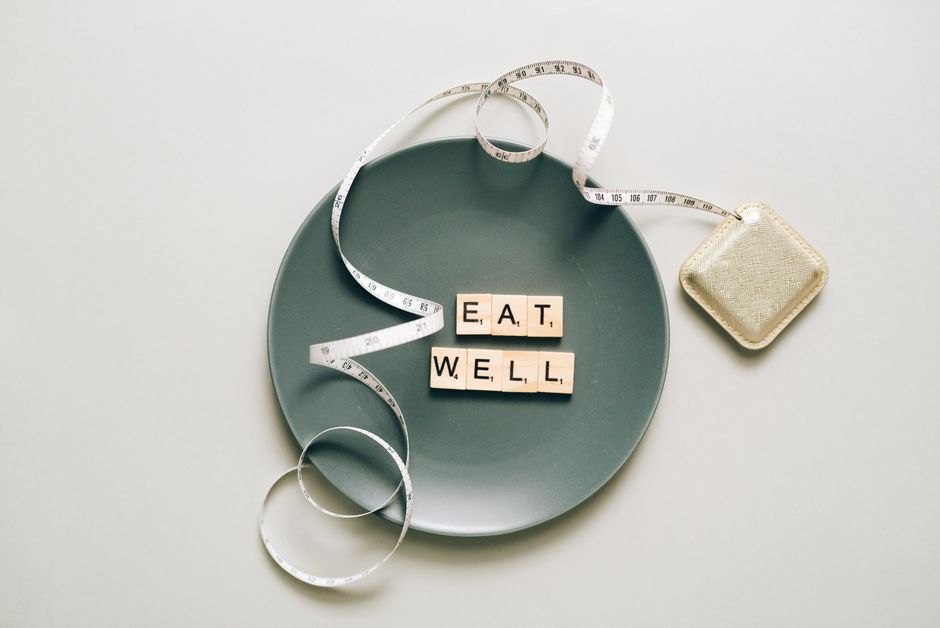
If you have hypothyroidism, your thyroid gland does not make enough thyroid hormone, and the standard treatment is prescription levothyroxine. Diet and supplements cannot replace that medication, but they can support how well your body uses it and help you avoid common mistakes. The most useful natural steps are getting enough iodine and selenium from food, treating iron and vitamin D deficiencies if you have them, and timing your meals and supplements so they do not block your medication.
How To Help Hypothyroidism Naturally With Diet And Supplements
Food and nutrients matter in hypothyroidism, but mostly in a supporting role. The thyroid needs iodine to build hormone and selenium to convert it into its active form. It also depends on iron, zinc, and vitamin D, and low levels of any of these can make thyroid problems worse or harder to manage.
What diet cannot do is replace thyroid hormone. In the most common cause of hypothyroidism in the United States — Hashimoto’s disease — the immune system gradually damages the thyroid gland. No food or supplement reverses that damage. Anyone who tells you otherwise is selling something.
The realistic goal is narrower and more useful: give your body the raw materials it needs, fix deficiencies that are known to interfere with thyroid function, and keep your medication working the way it should.
Which Nutrients Does Your Thyroid Actually Need?
Four nutrients have the clearest relationship to thyroid function. Each plays a different role, and more is not better for any of them.
- Iodine — the building block of thyroid hormone. Too little causes problems; too much can also trigger thyroid dysfunction.
- Selenium — supports the enzymes that convert thyroid hormone into its active form.
- Iron — needed for the thyroid to produce hormone, and low iron is common in people with hypothyroidism.
- Zinc — involved in thyroid hormone production and conversion.
Iodine deserves special caution. In the U.S., most people get enough iodine from iodized salt, dairy, seafood, and eggs. Iodine deficiency is uncommon here. Taking iodine supplements when you are not deficient can actually make thyroid problems worse, including triggering thyroid inflammation. Do not take iodine supplements for hypothyroidism unless a clinician has confirmed you are deficient.
Selenium is different. The evidence for selenium supplementation in Hashimoto’s is mixed. Some studies suggest it may lower thyroid antibodies, but it is not clear whether that translates into feeling better or changing the course of the disease. Brazil nuts, tuna, sardines, eggs, and sunflower seeds are reliable food sources. Selenium has a narrow safety window — too much can cause hair loss, brittle nails, and nerve problems — so supplement doses should come from a clinician, not a label.
Does Diet Change Anything In Hashimoto’s Disease?
No diet has been shown to reverse Hashimoto’s disease. That includes gluten-free, dairy-free, paleo, and autoimmune elimination diets. Some people report feeling better on them, and some small studies have looked at gluten-free eating in people with both Hashimoto’s and celiac disease, where the connection is real and well documented.
For everyone else, the evidence is thin. If you have celiac disease or a confirmed gluten sensitivity, avoiding gluten is medically necessary and may help your thyroid numbers. If you do not, cutting gluten is unlikely to change your thyroid function, though it may change how you feel for unrelated reasons.
A few dietary patterns are worth avoiding. Very low-calorie diets and severe calorie restriction can lower thyroid hormone levels, because the body reads starvation as a signal to slow metabolism. Extremely high-soy diets can interfere with thyroid function in people who are iodine deficient, though normal amounts of soy in an otherwise adequate diet appear fine for most people with treated hypothyroidism.
The most reliable dietary approach is unglamorous: eat enough protein, get iodine and selenium from food, keep processed food moderate, and do not chase elimination diets without a clear reason.


Should You Take Supplements For Hypothyroidism?
Most people with hypothyroidism do not need thyroid-specific supplements. The exceptions are deficiencies that blood tests confirm, and those should be corrected with a clinician involved.
Iron and vitamin D are the two most worth checking. Iron deficiency is common in hypothyroidism, particularly in women, and low iron can impair thyroid function. Vitamin D deficiency is also common, though whether correcting it improves thyroid symptoms is not established. What is clear is that low vitamin D and low iron are worth treating on their own merits.
Be cautious with combination “thyroid support” supplements. These often contain iodine, kelp, or dried thyroid gland extract. Kelp is a concentrated iodine source and can push your intake well past what your body needs. Dried glandular products may contain actual thyroid hormone in unpredictable amounts, which can interfere with your medication and your lab results.
Biotin deserves a specific warning. It is common in hair and nail supplements, and it can distort thyroid blood tests, sometimes making results look like Graves’ disease when nothing is wrong. If you take biotin, tell your clinician and stop it for at least a few days before thyroid blood work, following whatever timing your lab recommends.
How Do Foods And Supplements Interfere With Thyroid Medication?
Levothyroxine is sensitive to what you eat and when you eat it. Certain minerals and foods bind to it in the gut and reduce how much your body absorbs. This is one of the most practical things you can control.
The main offenders are calcium, iron, and magnesium supplements, plus soy, walnuts, high-fiber foods, and coffee. The fix is not to avoid these foods — it is to separate them from your dose.
Standard guidance is to take levothyroxine on an empty stomach, 30 to 60 minutes before breakfast, or at bedtime several hours after your last meal. Whatever schedule you choose, keep it consistent. Take calcium and iron supplements at least four hours apart from your thyroid medication. If you drink coffee in the morning, wait about an hour after your dose.
This timing issue is easy to miss and easy to fix. Many people who think their dose is too low are actually absorbing less of it because of how they take it.
Can Lifestyle Changes Help Your Thyroid?
Lifestyle does not treat hypothyroidism, but it affects how you feel while you are being treated. Sleep, stress, and activity all influence energy, mood, and weight — the same things hypothyroidism affects.
Exercise is safe and helpful for most people with treated hypothyroidism. There is no evidence that moderate activity harms the thyroid. If your thyroid is undertreated, you may tire more easily, so build up gradually.
Stress does not cause Hashimoto’s disease, but chronic stress can affect how you feel and how well you sleep. There is no strong evidence that stress-reduction techniques change thyroid hormone levels. They may still improve your quality of life, which matters on its own.
Smoking is worth quitting for many reasons, and it does affect thyroid function and autoimmune thyroid disease. If you smoke, that is a more meaningful change than any supplement on this page.
What Should You Not Do?
Skip anything that promises to replace your medication. The risks of stopping levothyroxine are real and serious — untreated hypothyroidism can affect the heart, blood pressure, cholesterol, mental health, and in severe cases become life-threatening.
Be skeptical of detoxes, “thyroid cleanses,” and high-dose iodine protocols. None are supported by evidence for treating hypothyroidism, and iodine excess can worsen thyroid disease. Be equally cautious with any product marketed as a natural thyroid cure. No such product has been shown to work.
The honest summary is this: diet and supplements can support your thyroid and fix deficiencies that make things worse, but they do not treat the underlying condition. Medication does that. Your job is to take it correctly, get the right nutrients from food, and test for deficiencies rather than guessing.
Frequently Asked Questions
Can hypothyroidism be cured naturally?
No. Hypothyroidism cannot be cured with diet or supplements, and prescription thyroid hormone is the standard treatment. Food and nutrients can support thyroid function and correct deficiencies, but they do not replace medication.
What foods should I avoid with hypothyroidism?
There is no single food everyone with hypothyroidism must avoid, but you should separate calcium, iron, and soy from your medication by several hours. Very low-calorie diets can also lower thyroid hormone levels and are best avoided.
Is iodine good for hypothyroidism?
Iodine is essential for thyroid hormone, but most people in the U.S. get enough from food, and extra iodine can worsen thyroid disease. Do not take iodine or kelp supplements unless a clinician confirms you are deficient.
Does selenium help Hashimoto’s thyroiditis?
Some studies suggest selenium may lower thyroid antibodies in Hashimoto’s, but it is not clear whether that improves symptoms or changes the disease course. Selenium can be toxic in high doses, so supplement use should be guided by a clinician.
