
Iron deficiency is the most common nutrient deficiency worldwide, and it usually develops slowly over months. Getting your iron up means eating iron-rich foods, improving how well your body absorbs that iron, and using supplements when diet alone is not enough. The right approach depends on why your iron is low in the first place.
How To Get Your Iron Up: Diet, Supplements, Tips
There are two kinds of iron in food, and they are not absorbed equally. Heme iron comes from animal sources like red meat, poultry, and fish. Non-heme iron comes from plants like beans, lentils, spinach, and fortified cereals.
Your body absorbs heme iron more efficiently than non-heme iron. This is a well-established difference in how the two forms move through the gut. It does not mean plant sources are useless. It means you often need more of them, or need to pair them with absorption helpers.
Vitamin C is the most reliable absorption booster for non-heme iron. Eating iron-rich plant foods alongside foods high in vitamin C can increase how much iron you actually absorb. This is one of the few dietary strategies with consistent supporting evidence.
On the other side, certain compounds block iron absorption. Tannins in tea and coffee, calcium in dairy, and phytates in whole grains and legumes can all reduce uptake. Timing matters. Drinking coffee or tea right after a meal can cut into the iron you get from that meal.
A practical tip: if you take an iron supplement, take it with water or a vitamin C source, not with milk, tea, or coffee. Wait at least an hour before drinking those.
Which Foods Are Highest in Iron?
Some foods deliver far more iron per serving than others. Knowing which ones to prioritize helps you build meals that actually move the needle.
Heme iron sources tend to be the most concentrated. Beef liver, lean red meat, oysters, and dark poultry meat are among the richest. Non-heme sources include lentils, chickpeas, tofu, spinach, and iron-fortified cereals.
The table below shows approximate iron content for common foods. These figures come from standard nutrient databases and reflect typical values.
| Food | Approximate Iron (mg per serving) | Type |
|---|---|---|
| Beef liver (3 oz) | ~5-6 mg | Heme |
| Lean beef (3 oz) | ~2-3 mg | Heme |
| Oysters (3 oz) | ~5-8 mg | Heme |
| Lentils (1 cup cooked) | ~6-7 mg | Non-heme |
| Spinach (1 cup cooked) | ~6 mg | Non-heme |
| Tofu (1/2 cup) | ~3 mg | Non-heme |
| Fortified cereal (1 serving) | Varies (often 4-18 mg) | Non-heme |
Notice that some plant foods rival meat in total iron. The catch is absorption. Your body may absorb only a small fraction of non-heme iron compared to heme iron. That is why pairing plant iron with vitamin C matters so much.
Do Iron Supplements Work?
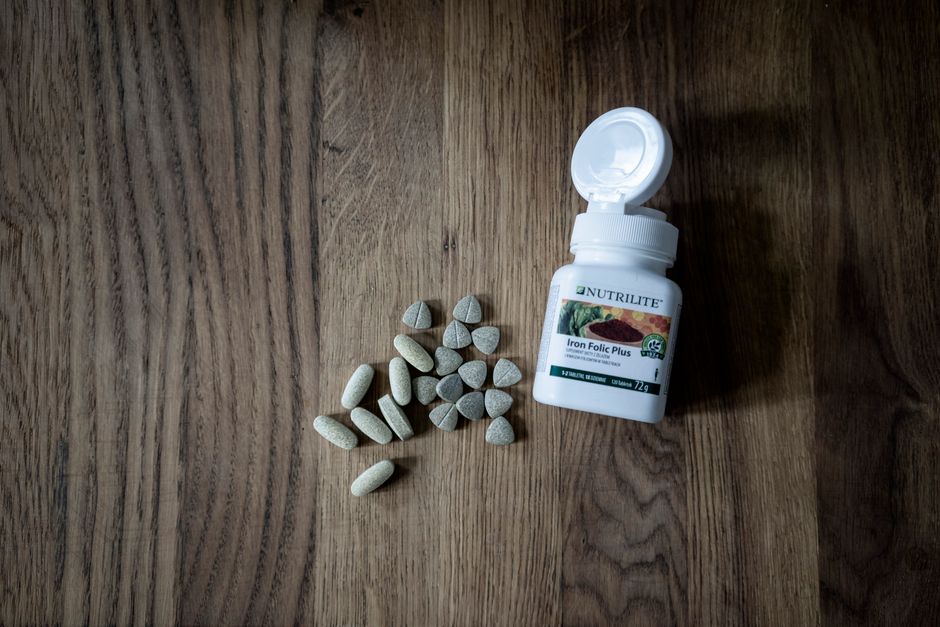
Iron supplements can raise iron levels effectively when taken correctly. This is well established in clinical practice. But not all supplements are the same, and how you take them changes the result.
The most common form is ferrous sulfate. Other forms include ferrous gluconate and ferrous fumarate. These differ in how much elemental iron they contain per pill. Ferrous sulfate typically contains about 20% elemental iron, while ferrous gluconate contains roughly 12%. This matters because the label may list the compound weight, not the elemental iron weight.
Some people tolerate certain forms better than others. Ferrous bisglycinate is sometimes marketed as gentler on the stomach, though evidence comparing it directly to ferrous sulfate for absorption is mixed.
Timing and pairing affect how much you absorb:
- Take iron on an empty stomach if you can tolerate it — absorption is better.
- If it causes nausea, take it with a small amount of food, but avoid dairy, tea, and coffee.
- Pair with vitamin C (a glass of orange juice or a vitamin C supplement) to boost absorption.
- Do not take iron at the same time as calcium supplements or antacids.
- Some medications, like thyroid medication and certain antibiotics, interact with iron. Separate them by several hours.
Side effects are common. Constipation, dark stools, nausea, and stomach cramps are frequently reported. Dark stools from iron are expected and not dangerous on their own. But if you have concerns, talk to your doctor.
Iron overload is a real risk if you take too much or take it without needing it. Do not start high-dose iron without a diagnosis. Hemochromatosis, a genetic condition that causes excess iron absorption, can be dangerous if iron is supplemented unnecessarily.




How Long Does It Take to Raise Iron Levels?
How quickly iron levels rise depends on the cause of the deficiency and how you treat it. In general, hemoglobin — the oxygen-carrying protein in red blood cells — can start to improve within a few weeks of consistent treatment. But ferritin, which reflects your body’s iron stores, takes much longer to normalize.
Ferritin can take several months to reach a healthy range even when hemoglobin improves faster. This is because your body prioritizes making red blood cells over rebuilding stores. If you stop treatment as soon as you feel better, your stores may still be low.
This timeline varies. Heavy menstrual bleeding, gastrointestinal bleeding, or malabsorption conditions can slow progress or prevent it entirely if the underlying cause is not addressed.
Your doctor will typically check blood levels periodically to see if treatment is working. Do not assume you can stop supplements based on how you feel alone.
What Causes Low Iron in the First Place?
Low iron usually has a reason. Finding that reason matters more than just adding iron.
Blood loss is the most common cause in adults. For menstruating women, heavy periods are a frequent culprit. For men and postmenopausal women, gastrointestinal bleeding — from ulcers, polyps, or other sources — needs to be ruled out.
Poor dietary intake can cause iron deficiency, especially in people who eat little or no meat. Vegetarians and vegans are at higher risk, not because plant iron is useless, but because it is less efficiently absorbed.
Malabsorption conditions like celiac disease or inflammatory bowel disease can reduce iron uptake even when intake is adequate. Pregnancy increases iron needs substantially because the body is supporting both mother and fetus.
Some people lose iron through frequent blood donation, intense endurance training, or regular use of certain pain medications that can irritate the stomach lining.
If you have been diagnosed with iron deficiency, your doctor may recommend tests to find the cause. Treating the deficiency without addressing the cause often leads to it coming back.
Can You Get Too Much Iron?
Yes. Iron is not a nutrient where more is always better. The body has limited ability to excrete excess iron, so it accumulates.
Acute iron poisoning can occur from taking too many supplements at once, especially in children. This is a medical emergency. Keep iron supplements out of reach of children.
Chronic iron overload can damage the liver, heart, and pancreas over time. Hereditary hemochromatosis is the most common genetic cause. People with this condition absorb too much iron from food and supplements.
Do not take high-dose iron supplements unless a doctor has confirmed you need them. If you have a family history of hemochromatosis or iron overload, tell your doctor before starting any supplement.
Frequently Asked Questions
What is the fastest way to raise iron levels?
The fastest way is treating the underlying cause while taking iron supplements as directed by a doctor. Diet alone is usually too slow for significant deficiency.
Can I raise my iron without supplements?
Yes, if your deficiency is mild and caused by low intake. Eating heme iron sources and pairing plant iron with vitamin C can help, but it may not be enough for moderate to severe deficiency.
What should I avoid eating or drinking with iron?
Avoid tea, coffee, dairy, and calcium supplements within an hour of taking iron. These can reduce how much iron you absorb.
How do I know if my iron is low?
Only a blood test can confirm iron deficiency. Symptoms like fatigue, pale skin, and shortness of breath can have many causes and are not specific to low iron.
