
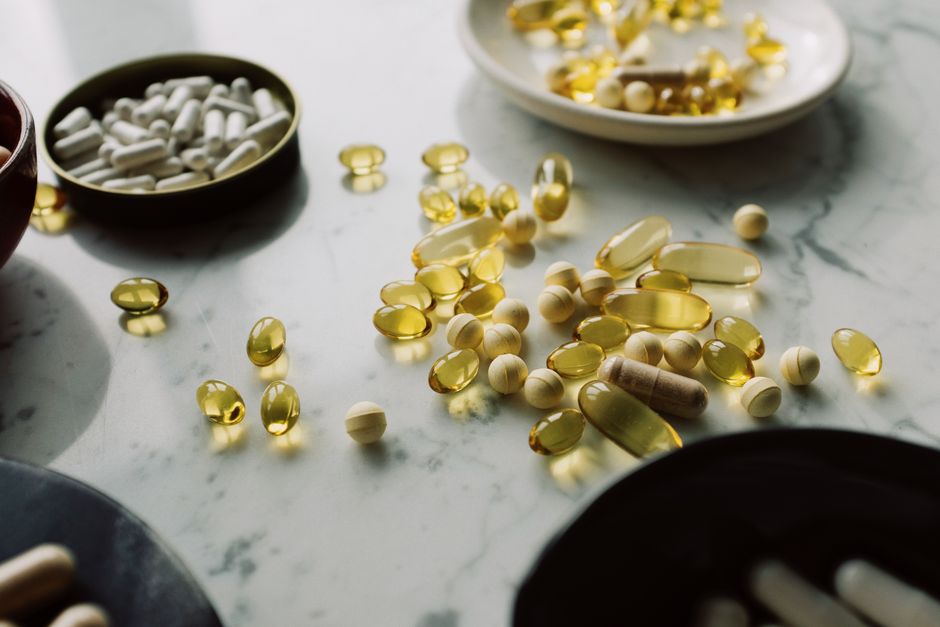
Anemia means your blood carries less oxygen than your body needs. The fix depends on why it happened, but the main tools are food, supplements, and treating the underlying cause. Iron-deficiency anemia is the most common type, and it usually responds to iron taken by mouth plus changes to what you eat. Getting the cause right matters more than getting the dose right.
What Is Anemia and Why Does It Make You Tired?
Anemia is a shortage of healthy red blood cells or of hemoglobin, the iron-containing protein inside them that carries oxygen. When hemoglobin drops, your muscles and organs get less oxygen, which is why fatigue, shortness of breath, and pale skin are common.
There are several distinct types, and they are not treated the same way. Iron-deficiency anemia is the most common worldwide. Vitamin B12 and folate deficiency cause a different kind called megaloblastic anemia, where red blood cells are large and underdeveloped. Anemia of chronic disease happens when inflammation or kidney disease interferes with red blood cell production. Blood loss anemia results from losing blood faster than the body can replace it.
This distinction is not academic. Iron pills do nothing for B12 deficiency. High-dose iron can be harmful if you have iron overload from a genetic condition like hemochromatosis. That is why a blood test matters before you start supplementing.
What Blood Tests Confirm Anemia and Its Cause?
A complete blood count (CBC) is the starting point. It measures hemoglobin, hematocrit, and red blood cell size. Hemoglobin below the reference range for your sex and age confirms anemia. Normal ranges differ by lab, but the World Health Organization defines anemia in non-pregnant women as hemoglobin below 12 g/dL and in men as below 13 g/dL.
Once anemia is confirmed, the next step is finding the cause. Common follow-up tests include:
- Ferritin — reflects stored iron. Low ferritin strongly suggests iron deficiency.
- Serum iron and transferrin saturation — show how much iron is circulating and available.
- Vitamin B12 and folate — check for deficiency that causes megaloblastic anemia.
- Reticulocyte count — shows whether the bone marrow is responding by making new red blood cells.
- Stool occult blood test — checks for hidden bleeding in the digestive tract.
Ferritin can be misleading. It rises with inflammation, so a normal ferritin does not always rule out iron deficiency when you are also sick or have an inflammatory condition. Some clinicians use ferritin together with C-reactive protein to account for this. The evidence for exactly how to interpret ferritin in inflammatory states continues to evolve.
How To Help With Anemia Diet Supplements Recovery
Food and supplements work together, but they do different jobs. Diet supports recovery over time. Supplements correct a deficit faster when the deficit is significant. Neither works if the underlying cause — ongoing bleeding, poor absorption, kidney disease — is not addressed.
Iron-Rich Foods
Iron comes in two forms. Heme iron, found in meat, poultry, and fish, is absorbed more efficiently. Non-heme iron, found in plants, is absorbed less efficiently but still matters, especially in a mixed diet.
Good sources of heme iron include beef, liver, clams, sardines, and dark poultry meat. Non-heme sources include lentils, chickpeas, spinach, tofu, fortified cereals, and pumpkin seeds.
Vitamin C boosts absorption of non-heme iron. Eating iron-rich plant foods alongside citrus, bell peppers, or tomatoes can help. Coffee, tea, and calcium can reduce iron absorption when consumed at the same meal. Timing matters more than most people realize — a cup of tea with an iron-rich meal can meaningfully cut how much iron you absorb.
Iron Supplements
Oral iron is the standard first-line treatment for iron-deficiency anemia in most adults. Common forms include ferrous sulfate, ferrous gluconate, and ferrous fumarate. They differ in elemental iron content, which is what actually matters.
Dosing depends on your degree of deficiency, your weight, and what you can tolerate. A common clinical approach is a lower dose taken less often, because the body absorbs a smaller dose more efficiently and this reduces side effects. Your clinician will set the dose. Do not guess it.
Side effects are real. Constipation, nausea, dark stools, and stomach cramps are common. Taking iron with food reduces nausea but also reduces absorption. Some people do better with alternate-day dosing. If one form causes problems, another form or a liquid preparation may be tolerated better.
It can take several weeks before you feel better and several months to rebuild iron stores, even after hemoglobin normalizes. This timeline varies. Do not stop iron just because you feel better — stores may still be depleted.
Vitamin B12 and Folate
If your anemia is caused by B12 or folate deficiency, iron will not fix it. B12 deficiency is treated with oral or injected B12, depending on the cause and severity. Folate deficiency is treated with folic acid.
One caution: treating folate deficiency alone can mask a B12 deficiency and allow nerve damage to progress. Both should be checked together.




What Causes Anemia That Diet Alone Cannot Fix?
Some anemias will not respond to food or standard supplements, no matter how carefully you eat. Recognizing these is important because delay can cause harm.
Anemia of chronic disease is driven by inflammation, kidney disease, or other long-term conditions. It often does not respond to oral iron and may need treatment of the underlying disease or, in some cases, intravenous iron or other therapies under medical supervision.
Anemia from ongoing blood loss — heavy menstrual bleeding, bleeding ulcers, or bleeding in the colon — will keep recurring until the source is found and treated. In adults, new iron-deficiency anemia is sometimes the first sign of a gastrointestinal problem that needs investigation.
Certain genetic conditions, including thalassemia and sickle cell disease, cause anemia that is not corrected by iron. In fact, unnecessary iron can be harmful in some of these conditions.
Can You Recover From Anemia Without Supplements?
Mild anemia caused by diet alone may improve with food changes, especially if the deficiency is small and absorption is normal. But for most people with confirmed iron-deficiency anemia, diet alone is not enough to rebuild depleted stores in a reasonable timeframe.
Food provides a steady supply of iron, but the amounts are modest compared with what a supplement delivers. Recovery from significant deficiency usually needs both. The evidence here is fairly consistent: oral iron plus dietary improvement corrects iron-deficiency anemia faster than diet alone.
What Slows Down Recovery?
Several things can stall recovery even when you are doing the right things. Knowing them helps you and your clinician adjust.
- Continuing to lose blood from a source that has not been treated
- Poor absorption from celiac disease, gastric surgery, or certain medications
- Taking iron with coffee, tea, or calcium supplements
- Stopping iron too early, before stores are rebuilt
- Taking the wrong type of supplement for the type of anemia you have
If your hemoglobin is not improving after a reasonable trial of oral iron, that is a signal to look harder at the cause rather than simply increasing the dose. Some clinicians recommend checking for malabsorption or considering intravenous iron in these cases, though practice varies.
When Should You See a Doctor?
See a doctor if you have symptoms of anemia — persistent fatigue, shortness of breath, pale skin, dizziness, or a fast heartbeat — especially if they are new or getting worse. Seek urgent care for chest pain, fainting, or severe shortness of breath.
Do not start high-dose iron on your own based on symptoms alone. Iron deficiency and other anemias can look identical from the outside but need different treatments. A blood test is quick and settles the question.
Frequently Asked Questions
How long does it take to recover from anemia?
Many people notice improved energy within a few weeks of starting treatment, but rebuilding iron stores can take several months. Your clinician will usually recheck your blood to confirm recovery before stopping treatment.
Can I take iron supplements without a blood test?
It is not recommended, because iron deficiency and other types of anemia need different treatments and unnecessary iron can be harmful in some conditions. A simple blood test confirms whether iron is the right treatment.
What foods help anemia the most?
Heme iron sources like beef, liver, and clams are absorbed most efficiently, while lentils, spinach, and fortified cereals provide non-heme iron. Pairing plant iron with vitamin C and limiting tea or coffee at meals can improve absorption.
Does anemia always mean I need iron?
No. B12 deficiency, folate deficiency, chronic disease, and genetic conditions can all cause anemia without iron deficiency. The type of anemia determines the treatment.
