
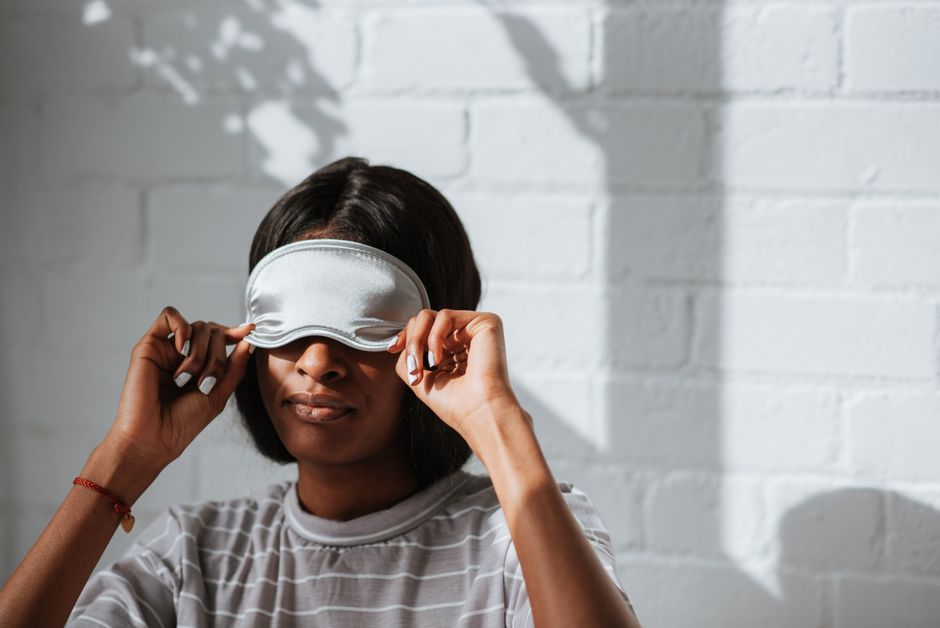
Sleeping too much can be a way to escape stress, sadness, or boredom. It is a common but often overlooked coping mechanism. The key is to recognize the pattern, understand why it happens, and build healthier ways to manage your emotions. You can stop using sleep as an escape by addressing the underlying feelings and creating a structured daily routine that keeps you engaged.
Why Do People Use Sleep As An Escape?
Sleep offers a temporary break from problems. When you are asleep, you do not have to think about work stress, relationship issues, or financial worries. For many people, this makes bed feel like a safe place to hide.
This behavior often starts gradually. A nap after a hard day becomes a habit. Then the nap gets longer. Eventually, you might find yourself going to bed early just to avoid difficult feelings. The brain learns that sleep provides relief, even if that relief is only temporary.
Depression and anxiety are strongly linked to oversleeping. Research consistently shows that people with depression often sleep more than the recommended amount. This is not laziness. It is a symptom of the condition. The desire to sleep excessively can be a sign that your mental health needs attention.
What Is The Difference Between Rest And Avoidance?
Rest is restorative. It helps your body recover and your mind process information. Avoidance is different. It is using sleep to escape a problem that will still be there when you wake up.
A good test is to ask yourself how you feel after sleeping. If you wake up refreshed and ready to face the day, that is healthy rest. If you wake up groggy, guilty, or dreading the day, that sleep may be serving as an escape. Oversleeping often leaves you feeling more tired than before, creating a cycle that is hard to break.
Another sign is timing. Do you sleep more when you are stressed? Do you take long naps specifically to avoid a task or conversation? These patterns point to avoidance rather than genuine rest.
How To Stop Using Sleep As A Coping Mechanism
Stopping this pattern requires a direct approach. You need to replace sleep with other coping strategies and address the reasons you feel the need to escape.
- Set a consistent wake time. Pick a time and stick to it every day, even on weekends. This is the single most effective way to regulate your sleep cycle. It also removes the option of sleeping the day away.
- Limit naps. If you must nap, keep it under 30 minutes and do it before 3 PM. Longer naps interfere with nighttime sleep and can reinforce the habit of using sleep to cope.
- Schedule your evenings. Plan activities that keep you engaged. This could be a walk, a hobby, or time with family. An empty evening makes it easier to retreat to bed early.
- Name the feeling. When you feel the urge to sleep during the day, stop and ask what you are feeling. Are you anxious? Bored? Sad? Identifying the emotion is the first step to dealing with it directly.
- Move your body. Physical activity is a proven way to reduce stress and improve mood. A short walk can break the urge to escape to bed.
These steps work best when you also address the root cause. If you are using sleep to avoid a specific problem, that problem needs attention. If you are using sleep to manage ongoing anxiety or depression, professional support may be necessary.





What To Do When The Urge To Sleep Hits
The urge to escape into sleep can feel overwhelming. It often comes on suddenly, especially in the afternoon. When this happens, you need a plan ready.
Get out of the room where you sleep. The bed is a powerful trigger. Moving to another room changes the association. Go outside even for five minutes. Sunlight signals your brain to stay awake and can improve your mood.
Do something with your hands. Cooking, cleaning, or a craft project keeps your body active and your mind occupied. The goal is to interrupt the automatic response of heading to bed. Each time you resist the urge, you weaken the habit.
Call someone. A brief phone conversation can break the isolation that often comes with using sleep as an escape. You do not need to discuss your problems. A casual chat is enough to reconnect you with the world outside your bed.
How To Build Healthier Coping Mechanisms
Sleep is not a bad coping mechanism because it is harmful in itself. It is a problem because it replaces other coping skills. You need alternative ways to handle stress and difficult emotions.
Journaling is a practical option. Writing down your worries can reduce their intensity. It forces you to put feelings into words, which is a form of processing. Some research suggests that expressive writing can improve mental health outcomes.
Physical activity is another strong alternative. Exercise releases endorphins and provides a healthy outlet for stress. It also improves sleep quality, which means the sleep you do get is more restorative.
Mindfulness and meditation teach you to sit with uncomfortable feelings rather than escaping them. This is a skill that takes practice. Start with five minutes a day. The goal is not to eliminate stress but to tolerate it without needing to check out.
Talking to someone is often the most effective strategy. A trusted friend, family member, or therapist can help you process what you are going through. Sleep isolates you. Connection does the opposite.
When Oversleeping Is A Sign Of Something More
Sometimes oversleeping is not just a habit. It can be a symptom of a medical or mental health condition. If you sleep more than nine hours a night and still feel exhausted, you should speak with a healthcare provider.
Depression is a common cause of excessive sleep. Sleep disorders like sleep apnea can also cause you to sleep longer because the sleep you get is poor quality. Thyroid conditions and other medical issues can cause fatigue that leads to oversleeping.
Pay attention to other symptoms. Do you have low energy all day? Have you lost interest in activities you used to enjoy? Are you withdrawing from friends and family? These signs suggest that the sleep problem is part of a larger issue that needs professional evaluation.
Medication side effects can also cause excessive sleepiness. Some antidepressants, antihistamines, and blood pressure medications have sedation as a side effect. If you started a new medication and noticed increased sleep, talk to your doctor about it.
Does Oversleeping Make You More Tired?
Yes. Sleeping too much can leave you feeling more exhausted than sleeping too little. This is called sleep inertia. It happens when you disrupt your natural sleep cycles by staying in bed longer than your body needs.
Your body cycles through different sleep stages throughout the night. Waking up during a deep sleep stage leaves you feeling groggy and disoriented. When you oversleep, you are more likely to wake up during a deep stage, which causes that heavy, unrefreshed feeling.
Oversleeping also disrupts your circadian rhythm. Your internal clock expects to be awake at certain times. When you sleep past those times, the clock gets confused. This can lead to difficulty falling asleep at night, which starts the cycle over again.
There is also evidence that oversleeping is associated with poorer health outcomes. Studies have linked regularly sleeping more than nine hours with increased risks of certain health conditions, though the relationship is complex. It is not clear if oversleeping causes these problems or if it is a symptom of an underlying issue.
Building A Healthy Sleep Schedule
A healthy sleep schedule is consistent. You go to bed at the same time and wake at the same time. The hours you sleep should fall within the recommended range of seven to nine hours for adults.
Start by choosing a wake time and committing to it. Use an alarm if needed. Get up at that time regardless of how much sleep you got the night before. This might be difficult for the first few days, but it resets your internal clock.
Your bedtime should follow naturally from your wake time. If you wake at 7 AM, aim to be in bed by 10 or 11 PM. Going to bed too early can backfire and encourage the escape behavior you are trying to stop.
Keep your bedroom for sleep only. Do not work, watch TV, or scroll on your phone in bed. This strengthens the association between bed and sleep, which makes it easier to fall asleep quickly and reduces the urge to use bed as a daytime retreat.
Frequently Asked Questions
How much sleep is considered oversleeping?
Adults who regularly sleep more than nine hours per night are generally considered oversleepers. The recommended range for adults is seven to nine hours.
Can oversleeping be a sign of depression?
Yes, excessive sleep is a common symptom of depression. If you sleep more than nine hours and also feel sad, hopeless, or lose interest in activities, talk to a healthcare provider.
How long does it take to break the habit of oversleeping?
It can take a few weeks to reset your sleep schedule. The most important step is maintaining a consistent wake time every day, even on weekends.
Is it okay to take a nap if I feel stressed?
A short nap of 20 to 30 minutes can be helpful for stress. Longer naps or frequent naps can reinforce the habit of using sleep to avoid problems.
