
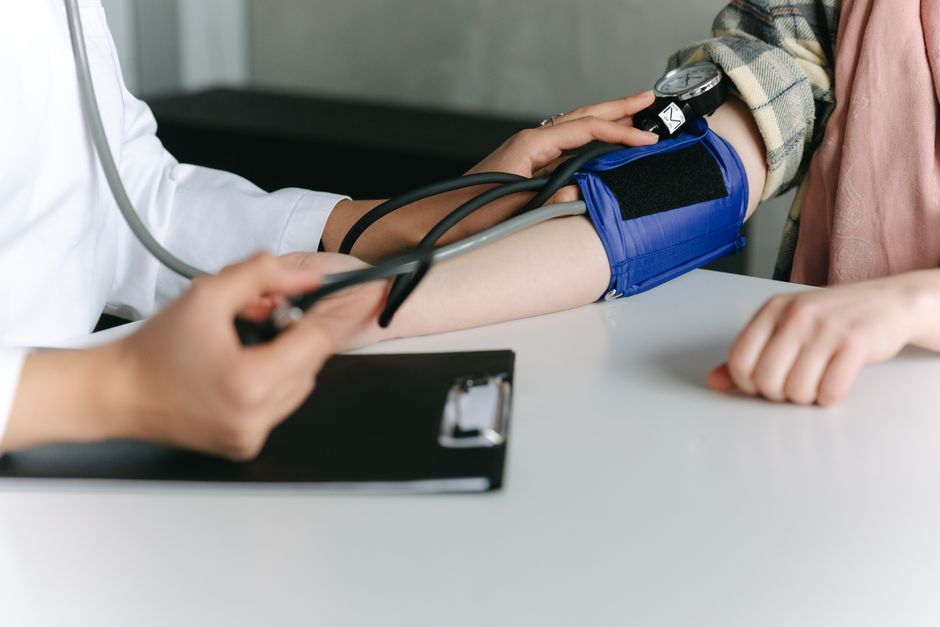
Most of the time, there is no safe way to drop blood pressure quickly at home. If your reading is very high — generally 180/120 mm Hg or above — that is a medical emergency, not a DIY project, and you should call 911. For readings that are high but not in that range, the fastest realistic home steps are to sit quietly and recheck, avoid added salt and alcohol, take prescribed medication exactly as directed, and manage stress. Blood pressure does not usually fall within minutes from lifestyle changes alone. It responds over hours, days, and weeks.
How To Get High Blood Pressure Down Fast At Home
Blood pressure is the force of blood pushing against artery walls. It rises and falls all day. A single high reading is not the same as a diagnosis. The first useful step is to check whether the number is real or a spike from stress, caffeine, pain, or moving around right before the cuff inflated.
Sit still for five minutes. Feet flat, back supported, arm resting at heart level. Do not talk. Then take two or three readings a minute apart and average them. This simple routine often reveals a number far lower than the first one.
What actually helps within hours:
- Take your blood pressure medication if it is due. Missing a dose is a common cause of a sudden rise.
- Skip alcohol and salty food for the rest of the day. Both raise pressure.
- Drink water if you are dehydrated, but do not gulp large amounts quickly.
- Use slow breathing — about six breaths per minute — for a few minutes. This can lower pressure slightly in the moment.
- Avoid caffeine, decongestants, and energy drinks until the reading settles.
What does not work fast: a single kale smoothie, a hot bath, garlic, or a “cleanse.” None of these lower blood pressure within minutes. Anyone claiming otherwise is selling something.
When Is High Blood Pressure a Medical Emergency?
A reading of 180/120 mm Hg or higher is a hypertensive crisis. If it comes with chest pain, shortness of breath, weakness on one side, trouble speaking, vision changes, or a severe headache, call 911 immediately. Do not wait to see if it drops.
If the reading is 180/120 or above but you feel completely normal, wait five minutes and check again. If it is still that high, contact a doctor or go to urgent care the same day. This is not a situation to manage alone at home.
Do not try to force your pressure down by taking extra doses of medication. That can drop it too far and cause fainting, stroke, or organ damage. Only a clinician should adjust doses in a crisis.
What Actually Lowers Blood Pressure Over Days and Weeks?
Lifestyle changes work, but they work on a slower clock. The evidence here is strong and consistent across many studies.
Sodium. Cutting salt lowers blood pressure in most people, and the effect is larger in those who are salt-sensitive, older, or already have hypertension. The general direction from major health bodies is to keep sodium well below the typical American intake, which is far above recommended levels.
Potassium. Eating potassium-rich foods — beans, potatoes, bananas, spinach, yogurt — can lower pressure. But if you have kidney disease or take certain medications, high potassium can be dangerous. Talk to a doctor first.
Weight. Losing weight lowers blood pressure. Even modest loss helps. The relationship is well established.
Exercise. Regular aerobic activity — brisk walking, cycling, swimming — lowers blood pressure over weeks. The effect is real but not instant. A single workout does not fix a high reading.
Alcohol. Heavy drinking raises blood pressure. Cutting back lowers it. This is one of the more reliable levers.
Sleep. Poor sleep and untreated sleep apnea keep pressure elevated. Treating apnea can improve it.


Does Stress Cause High Blood Pressure?
Stress raises blood pressure in the moment. Whether chronic stress causes lasting hypertension is less clear. The evidence is mixed. What is clear is that stress drives behaviors that raise pressure — poor sleep, more alcohol, less exercise, worse food choices.
Managing stress helps, but it is not a substitute for medication when medication is needed. Slow breathing, meditation, and regular physical activity all have some evidence for modest blood pressure benefit. None of them replace a prescription.
Can Supplements Lower Blood Pressure Fast?
No supplement lowers blood pressure quickly, and the evidence for most is weak or mixed. Some, like beetroot juice and certain nitrates, show small short-term effects in studies, but the size and durability are modest.
Be cautious. Some supplements interact with blood pressure medications or raise potassium to unsafe levels. Garlic, hawthorn, and CoQ10 have been studied, but results vary and no large trial confirms they work reliably. Treat supplement marketing claims with skepticism.
How to Measure Blood Pressure Correctly at Home
Wrong technique gives wrong numbers. A bad reading can cause unnecessary panic or hide a real problem.
- Use a validated upper-arm cuff. Wrist and finger cuffs are less accurate.
- Sit quietly for five minutes before measuring.
- Keep your back supported and feet flat on the floor.
- Rest your arm on a table at heart level.
- Do not talk, text, or watch TV during the reading.
- Take two or three readings a minute apart and record the average.
- Measure at the same times each day — often morning and evening.
Bring your log to medical visits. Patterns matter more than any single number.
Understanding Blood Pressure Numbers
These categories come from established clinical guidelines. They apply to adults not taking blood pressure medication and not acutely ill.
| Category | Systolic (mm Hg) | Diastolic (mm Hg) |
|---|---|---|
| Normal | Less than 120 | Less than 80 |
| Elevated | 120–129 | Less than 80 |
| Stage 1 hypertension | 130–139 | 80–89 |
| Stage 2 hypertension | 140 or higher | 90 or higher |
| Hypertensive crisis | Higher than 180 | Higher than 120 |
A single high reading does not mean you have hypertension. Diagnosis usually requires multiple elevated readings over time, often confirmed with home monitoring or a 24-hour monitor.
What About Medication?
If you have been prescribed blood pressure medication, taking it consistently is the single most effective thing you can do. Skipping doses is a leading reason pressure stays high. Some medications take days or weeks to reach full effect. Others work within hours.
Do not stop or change a dose on your own. If you think your medication is not working or is causing side effects, call your doctor. There are many options, and finding the right one often takes adjustment.
When to See a Doctor
See a doctor if your home readings are consistently 130/80 or higher, if you have symptoms like headaches, nosebleeds, or vision changes alongside high readings, or if you are already on medication and your numbers are still high.
High blood pressure usually has no symptoms until damage is done. That is why it is called the silent killer. Regular checks matter more than how you feel.
What Does Not Work
A lot of advice online does not hold up. Be wary of:
- Drinking large amounts of water to “flush out” pressure — this does not work and can be dangerous.
- Apple cider vinegar — no reliable evidence it lowers blood pressure.
- Hot baths or saunas to drop pressure fast — heat can actually cause fainting if pressure is unstable.
- “Detox” teas and cleanses — no clinical evidence they lower blood pressure.
- Stopping medication because you feel fine — this is one of the most common and dangerous mistakes.
If a claim sounds too easy or too fast, it usually is.
Frequently Asked Questions
Can I lower my blood pressure in 10 minutes at home?
Only slightly, and only if the rise is from stress or activity. Sitting quietly, breathing slowly, and rechecking can bring a spike down. Lasting drops take days to weeks.
What is the fastest natural way to lower blood pressure?
There is no fast natural fix. Cutting sodium, losing weight, exercising, and limiting alcohol lower pressure over weeks, not minutes.
Is 150/90 a dangerous blood pressure?
It falls in stage 2 hypertension and should be evaluated by a doctor. A single reading is not a diagnosis, but repeated readings at this level need medical attention.
Should I go to the ER for 180/120?
Yes, if it comes with symptoms like chest pain, shortness of breath, or vision changes. If you feel fine, recheck after five minutes and contact a doctor the same day.
