
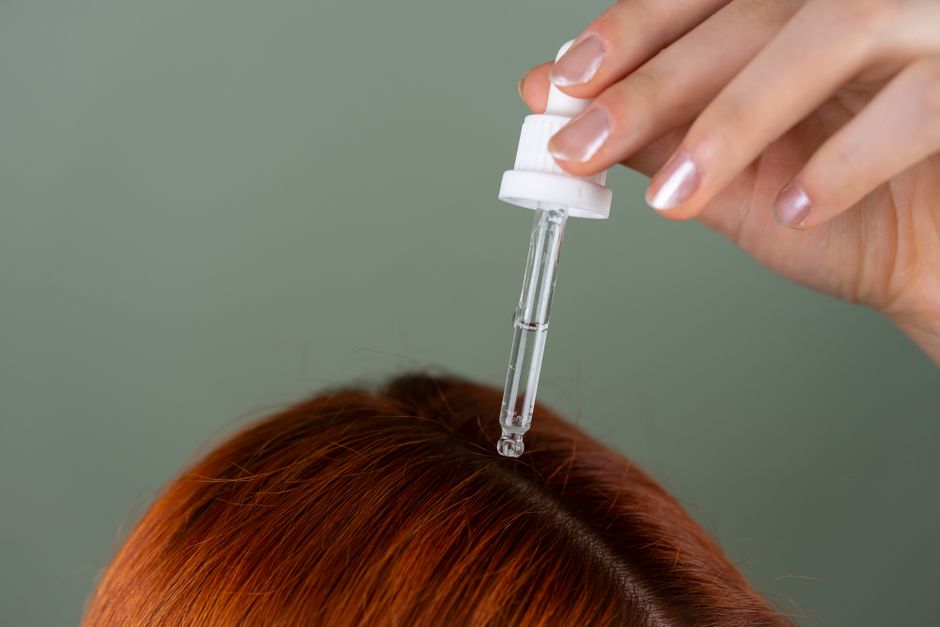
Dry, flaky skin on your scalp is common and often treatable at home. The safest way to remove it is to soften the flakes first with a gentle oil or a medicated shampoo, then lightly brush or wash them away. Avoid picking or scratching, as this can break the skin and lead to infection. The right approach depends on whether your flakes are from simple dryness, dandruff, or a condition like seborrheic dermatitis.
What Causes Dry Skin and Flakes on the Scalp?
Flakes on the scalp are not always the same thing. The cause changes how you should treat it. Dry scalp happens when the skin loses moisture. This can come from cold weather, harsh shampoos, or washing too often. The flakes from dry scalp are usually small and white.
Dandruff is different. It is a mild form of seborrheic dermatitis. This condition involves an overgrowth of a yeast called Malassezia that naturally lives on the scalp. The skin reacts to this yeast by speeding up cell turnover. That creates larger, greasy flakes that may look yellow. Dandruff flakes often stick to the hair and scalp more than dry skin flakes do.
Other conditions can also cause flaking. Psoriasis can create thick, silvery scales. Eczema can cause dryness and itching. If you are unsure what you have, look at the flakes. Small white flakes that fall easily are often dry scalp. Larger, yellowish, oily flakes point toward seborrheic dermatitis. Thick plaques that bleed when picked may be psoriasis and deserve a doctor’s attention.
How To Get Dry Skin Off Your Scalp Safely
The safest method starts with softening the flakes. Never attack a dry scalp with a fine-tooth comb or your fingernails. That removes the top layer of skin and can cause micro-tears. Those small breaks become entry points for bacteria.
Start with a gentle pre-treatment. Apply a light oil like jojoba, argan, or mineral oil to the scalp. Leave it on for 15 to 30 minutes. This softens the flakes so they release without force. Then wash with a gentle, sulfate-free shampoo. Use your fingertips to massage the scalp in small circles. Do not use your nails. Rinse thoroughly and repeat if needed.
After washing, use a soft silicone scalp brush or a wide-tooth comb while the hair is wet. Move in short, gentle strokes. Flakes that have been softened will come away easily. If they do not, they are not ready. Stop and try again next wash.
For flakes from dandruff or seborrheic dermatitis, oils alone may not work. Medicated shampoos are more effective. Look for active ingredients like zinc pyrithione, ketoconazole, selenium sulfide, or salicylic acid. Leave the shampoo on the scalp for the time listed on the label — usually 3 to 5 minutes — before rinsing.
Home Remedies That Actually Work
Some home treatments have real evidence behind them. Others are popular but unproven. Knowing the difference matters.
Tea tree oil has antifungal properties. Some research suggests it can reduce dandruff symptoms. But it must be diluted. Never apply pure tea tree oil to the scalp. Mix a few drops into a carrier oil or your shampoo. Stop using it if your skin gets red or irritated.
Aloe vera can soothe an irritated scalp. It is not a treatment for the underlying cause of flaking, but it can reduce redness and itching. Apply pure aloe gel to the scalp and rinse after 20 minutes.
Aspirin is sometimes crushed and mixed into shampoo because it contains salicylic acid. Salicylic acid does help break down flakes. But aspirin also contains other ingredients not meant for the skin. A dedicated salicylic acid shampoo is a safer and more reliable option.
Apple cider vinegar is widely shared as a scalp remedy. The evidence is thin. It may help some people by changing the pH of the scalp, but it can also burn if used undiluted. If you try it, always dilute it heavily with water and rinse completely. If it stings, stop.



When To Use Medicated Shampoos
Medicated shampoos are the standard treatment for dandruff and seborrheic dermatitis. They are not all the same. Each active ingredient works differently.
- Zinc pyrithione reduces the yeast population on the scalp. It is gentle enough for regular use.
- Ketoconazole is an antifungal that directly targets Malassezia. It is available over-the-counter in 1% strength and by prescription in 2%.
- Selenium sulfide slows skin cell turnover and reduces yeast. It can be effective but may cause dryness.
- Salicylic acid helps break down the bonds holding flakes to the scalp. It does not treat the yeast.
- Coal tar slows cell turnover and reduces scaling. It has a strong smell and can stain light hair.
Use these shampoos as directed on the label. Many work best when left on the scalp for several minutes. If one product does not work after four weeks, try one with a different active ingredient. Some people need to rotate between two shampoos to keep symptoms under control.
Medicated shampoos treat the condition but do not cure it. Seborrheic dermatitis is a chronic condition that tends to flare and improve. Regular maintenance washing is often necessary.
What Not To Do
Some popular methods are risky and should be avoided. Do not pick or scratch at flakes with your nails. This damages the skin barrier and increases infection risk. It also makes the scalp produce more skin cells, which creates more flakes in the long run.
Do not use a harsh exfoliating scrub on your scalp. The scalp is delicate. Sugar or salt scrubs can create micro-abrasions that become irritated or infected.
Do not use baking soda as a scalp scrub. It is alkaline and disrupts the natural acid mantle of the skin. This can worsen dryness and trigger more flaking.
Do not apply pure essential oils directly to the scalp. Essential oils are concentrated and can cause chemical burns or allergic reactions. Always dilute them in a carrier oil.
Do not ignore signs of infection. If your scalp becomes red, swollen, warm, or starts oozing fluid, see a doctor. These are signs of a bacterial or fungal infection that needs medical treatment.
How To Prevent Flakes From Coming Back
Prevention is about maintaining the scalp’s moisture balance and managing yeast growth. For most people, a consistent washing routine is the most important step. Wash your hair regularly — but not excessively. For some, that means daily. For others, two to three times a week is enough. Find what works for your scalp.
Use lukewarm water instead of hot water. Hot water strips natural oils and dries the skin. Choose a gentle shampoo without sulfates if you have dry scalp. If you have dandruff, alternate a medicated shampoo with a regular one to avoid irritation.
Dry your hair gently. Rubbing with a towel creates friction that can lift flakes. Pat or squeeze the hair dry instead. Avoid heavy styling products that build up on the scalp. If you use dry shampoo, wash it out within a day or two. Product buildup traps oil and dead skin cells.
Protect your scalp from the sun. Sunburn on the scalp causes peeling, which looks like dry skin but is actually damaged skin. Wear a hat or use a scalp-safe sunscreen when spending extended time outdoors.
When To See a Doctor
Most scalp flaking responds to home treatment within a few weeks. See a doctor if the flaking is severe, spreads beyond the scalp, or comes with significant itching or hair loss. Also see a doctor if you have thick, silvery plaques that bleed when picked — this may be psoriasis.
A dermatologist can identify the exact condition and prescribe stronger treatments. Prescription options include higher-strength ketoconazole shampoo, topical corticosteroids for inflammation, or calcipotriene for psoriasis. These are not available over-the-counter and should only be used under medical supervision.
If you have flaking and hair loss together, do not delay. Some scalp conditions, like severe seborrheic dermatitis or psoriasis, can temporarily affect hair growth. Treating the underlying condition usually allows the hair to regrow.
Frequently Asked Questions
Can I scrape dry skin off my scalp with a comb?
No. Scraping with a comb damages the skin and increases the risk of infection. Soften the flakes with oil or medicated shampoo first, then gently brush them away with a soft brush.
Is coconut oil good for dry scalp flakes?
Coconut oil can soften flakes and moisturize the scalp, but it may worsen dandruff caused by yeast. If your flakes are greasy and yellow, choose jojoba or mineral oil instead.
How often should I wash my hair if I have a dry flaky scalp?
Most people do well washing two to three times per week with a gentle shampoo. If you have dandruff, you may need to wash more often with a medicated shampoo to control the yeast.
Does dry scalp cause hair loss?
Dry scalp alone does not cause permanent hair loss. But severe itching and scratching can damage hair follicles, and conditions like psoriasis or seborrheic dermatitis can temporarily affect hair growth. Treating the scalp condition usually resolves this.
