
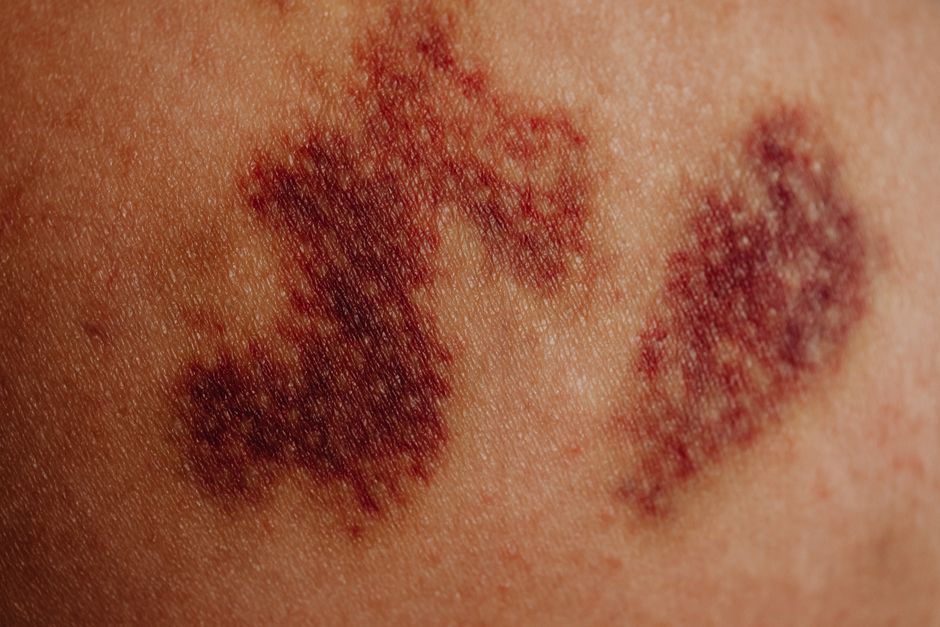
Skin damaged by bleaching creams needs one first step before anything else: stop using the product. Then treat the skin gently, protect it from sun, and see a dermatologist — especially if you have dark patches, burning, or lightened areas that are not fading. Some damage from these creams is reversible. Some, particularly pigment loss and scarring, can be permanent. A doctor can tell you which situation you are in.
What Do Bleaching Creams Actually Do to Skin?
Bleaching creams work by interrupting melanin production. Melanin is the pigment that gives skin its color and provides some natural protection from ultraviolet radiation.
Many products sold as skin lighteners or brighteners contain hydroquinone, mercury, or strong corticosteroids — sometimes all three, and often at concentrations far above what is legally allowed. Hydroquinone is a prescription ingredient in the United States at 4% and available over the counter at 2%. Mercury compounds have been banned in cosmetic skin lighteners in the US since 1990. Steroid-containing creams are not approved for cosmetic lightening at all.
When these ingredients are used correctly under medical supervision, they can reduce hyperpigmentation. When they are used daily for months or years without supervision — which is how most people use them — they can cause a different set of problems entirely.
The damage usually falls into a few categories: lightened or depigmented patches, darkening in unexpected places, thinning skin, visible blood vessels, acne-like eruptions, and in the case of mercury, systemic poisoning that affects the kidneys and nervous system.
How To Treat Skin Damaged By Bleaching Cream Safely
Stop the product immediately. This sounds obvious, but it is the single most important step and the one many people skip because they hope the damage will reverse on its own while they keep using it.
Once you have stopped, the approach depends on what type of damage occurred.
For lightened or depigmented patches: These occur when melanocytes — the cells that make melanin — have been destroyed. If the cells are gone, pigment does not come back on its own. Some cases of hydroquinone-induced depigmentation are permanent. Others improve partially over months to years. There is no cream currently proven to reliably restore melanocytes once they are destroyed. Treatments that have been studied include narrowband UVB phototherapy and certain topical agents, but results vary and no approach works for everyone. A dermatologist can assess whether any remaining pigment-producing cells are present.
For darkening or rebound hyperpigmentation: This is common after stopping hydroquinone and is sometimes called exogenous ochronosis. It appears as a blue-black or gray-brown darkening, often on the face and neck. It is difficult to treat. Some dermatologists use topical retinoids, azelaic acid, or laser therapy, but lasers can worsen the condition in some patients. This is not a situation to manage at home.
For thinned skin, visible vessels, and steroid-induced damage: Topical steroid damage from prolonged use can cause skin atrophy, telangiectasia (visible small blood vessels), and a rosacea-like eruption. Skin thinning may improve slowly after stopping the steroid. Visible vessels often do not resolve without procedures such as laser therapy, and even then results vary.
For mercury exposure: If the product contained mercury, this is a medical emergency. Symptoms include numbness, tremors, memory problems, mood changes, and kidney problems. Mercury poisoning requires medical testing and, in some cases, chelation therapy. Contact a doctor or poison control right away.
In all cases, gentle skincare is appropriate: a mild fragrance-free cleanser, a basic moisturizer, and daily sun protection. Avoid exfoliating acids, retinoids, and any new “brightening” products until a doctor has evaluated your skin. Many of those products contain the same ingredients that caused the problem.
Why Sun Protection Matters More Than Anything Else Right Now
Damaged skin is more vulnerable to ultraviolet radiation. If melanin production has been disrupted, your skin has less natural defense against UV.
Unprotected sun exposure can worsen existing dark patches, trigger new ones, and slow any healing that might otherwise occur. Sun protection is not a cosmetic step here — it is part of the treatment.
Use a broad-spectrum sunscreen with SPF 30 or higher every day, even indoors near windows, and reapply every two hours when outside. Physical blockers like zinc oxide and titanium dioxide tend to be gentler on compromised skin than chemical sunscreens. Hats and shade help too.
This is one of the few things in this situation where the advice is straightforward and well supported. Sun protection will not reverse depigmentation. It will help prevent the damage from getting worse.




What Not to Do While Your Skin Is Healing
The instinct to fix damaged skin quickly often makes things worse. A few things to avoid:
- Do not use another bleaching or brightening cream. Even “natural” ones may contain mercury or hidden steroids.
- Do not use hydroquinone again without a doctor’s supervision.
- Do not exfoliate aggressively or use strong acids. Thinned or compromised skin can be further injured.
- Do not use over-the-counter steroid creams on your face. They can cause the same problems as the original product.
- Do not try laser or chemical peel treatments without a dermatologist experienced in treating skin of color. Some of these procedures can cause additional pigment problems in darker skin.
Some people try to “even out” the damage by applying more product to the lighter areas. This almost always makes the situation worse.
When to See a Dermatologist
See a doctor if you have any of the following:
- Patches of skin that have turned white or much lighter than your natural tone
- Darkening that appeared or worsened after stopping the cream
- Visible broken blood vessels, skin thinning, or a persistent rash
- Symptoms like numbness, tremors, or memory problems, which could indicate mercury exposure
- Any skin change that is spreading, painful, or not improving
If you are not sure whether your product contained mercury or steroids, bring it with you. Many products sold online, in small shops, or brought from other countries contain ingredients that are not listed on the label. A dermatologist or a poison control center can help identify what you were using.
Dermatologists who specialize in treating skin of color are often the best resource, because pigment disorders behave differently across skin tones and treatment approaches that work for lighter skin can backfire on darker skin.
Can Bleaching Cream Damage Be Reversed?
Sometimes. It depends on what was damaged and for how long.
Thinning from topical steroids often improves over months after stopping, though not always completely. Rebound darkening can fade slowly, but may take a year or longer and sometimes leaves lasting discoloration. Depigmentation from hydroquinone — where melanocytes have been destroyed — is frequently permanent.
There is no cream, supplement, or home remedy that has been shown in clinical studies to reliably restore lost melanocytes. Anyone selling a product that claims to do this is making a claim that has not been proven.
The honest position: some of this damage will improve with time, gentle care, and sun protection. Some will not. A dermatologist can give you a realistic picture of what to expect in your specific case, which is far more useful than hoping for a full recovery or assuming the worst.
Preventing This From Happening Again
If you want to address hyperpigmentation in the future, work with a doctor rather than buying products online or from informal sellers. Prescription treatments for melasma and post-inflammatory hyperpigmentation exist, and they are used for defined periods under supervision — not indefinitely.
Be skeptical of any product that promises dramatic lightening. Legitimate treatments for pigment conditions are modest in effect and slow. Products that produce fast, dramatic results are more likely to contain something harmful.
Check ingredients. If a product lists mercury, mercurous chloride, calomel, or a corticosteroid you did not get from a pharmacy, do not use it. If the label is not in a language you can read, or if there is no ingredient list at all, that is a warning sign.
Frequently Asked Questions
How long does it take for skin to recover from bleaching creams?
It varies widely depending on the damage. Thinning from steroids may improve over several months, while rebound darkening can take a year or longer, and depigmentation from hydroquinone is often permanent.
Can I use hydroquinone again after my skin has healed?
Only under a doctor’s supervision and for a limited time. Repeated unsupervised use is what causes most of the serious damage in the first place.
What should I do if I think my bleaching cream contained mercury?
Stop using it and contact a doctor or poison control right away. Mercury poisoning can affect the kidneys and nervous system and may require medical testing and treatment.
Is there a natural treatment that reverses bleaching cream damage?
No natural product has been shown in clinical studies to restore lost melanocytes or reliably reverse depigmentation. Gentle skincare and sun protection support healing but do not guarantee pigment return.
