
An ingrown fingernail happens when the edge of the nail grows into the skin beside it. You can often treat it at home with warm soaks and careful lifting, but you cannot truly “cut” the nail out yourself. The goal is to reduce swelling and gently guide the nail edge away from the skin so it can heal.
What Causes an Ingrown Fingernail?
Unlike ingrown toenails, which are often caused by tight shoes, ingrown fingernails usually come from how you trim or use your hands. Cutting the nail too short or rounding the corners too much is a common cause. When the nail edge loses its support, it can curve downward and press into the skin.
Repeated pressure on the fingertip can also trigger it. People who grip tools tightly, type for long hours, or play string instruments may notice this more often. Biting or picking at the nails is another frequent cause, as it leaves jagged edges that catch on skin.
Some people are simply more prone to curved nails. This is not a sign of poor hygiene. It is often just the natural shape of the nail.
How To Get An Ingrown Fingernail Out At Home: Step by Step
The most effective home approach is to soften the skin and nail, then gently lift the nail edge. This is not a quick fix. It takes patience and consistency over several days.
Start by soaking your finger in warm water for 15 to 20 minutes. Do this two to three times daily. Adding plain salt or a mild soap is fine, but warm water alone works well. The soak softens both the nail and the skin, making the area more pliable.
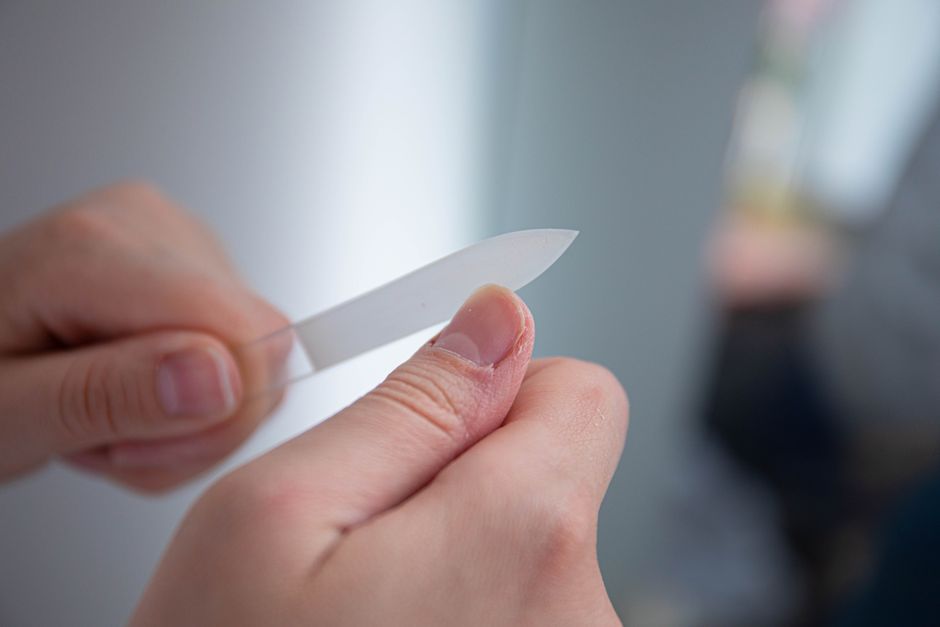
After soaking, dry the finger completely. Use a clean, sanitized tool such as a nail file or the blunt end of a cuticle pusher to gently lift the nail edge. Place the tool under the corner of the nail and lift it slightly away from the skin. You are not prying the nail out. You are creating a small gap so the nail can grow over the skin instead of into it.
If you can lift the edge, place a small piece of sterile cotton or dental floss under the nail corner. This keeps the gap open and trains the nail to grow in the right direction. Change the cotton daily and continue soaking until the area heals.
Do not attempt to cut the nail out. Cutting into the corner of the nail while it is embedded in skin often makes the problem worse. It leaves a sharp edge that re-pierces the skin as the nail grows.
Signs You Should See a Doctor Instead
Home treatment works for mild cases, but some situations need professional care. If the skin around the nail becomes red, swollen, warm, or starts draining pus, you may have an infection. Do not wait for this to resolve on its own.
See a doctor if you have diabetes, poor circulation, or a weakened immune system. These conditions can turn a minor nail problem into a serious one quickly. What looks like a simple ingrown nail can become a cellulitis infection that requires antibiotics.
Severe pain that does not improve with soaking is another reason to seek care. If you cannot bear weight on the finger or the pain disrupts sleep, professional treatment is appropriate.
A doctor can numb the finger and remove the ingrown portion of the nail cleanly. In some cases, they may use a chemical to prevent that section of nail from growing back. This is a common outpatient procedure with a high success rate.





What Not to Do
Several popular home remedies can actually harm you. Never use a sharp object like a razor blade, scissors, or a knife to dig out the nail. These tools can easily cut healthy skin and introduce bacteria deeper into the tissue.
Avoid the “bathroom surgery” approach entirely. Many people try to yank the nail out in one pull. This tears the surrounding skin and often leaves part of the nail behind, which guarantees the problem returns.
Do not apply antibiotic ointments as a substitute for cleaning. Ointments trap moisture and can soften the skin further, making it easier for the nail to dig in. If you use an antibiotic cream, apply it only after the area is clean and dry.
Skip the home remedies involving vinegar, tea tree oil, or hydrogen peroxide. Some people suggest these for infection prevention. Hydrogen peroxide can actually damage healthy tissue and slow healing. Vinegar and essential oils have not been shown to treat ingrown nails effectively.
How to Prevent Ingrown Fingernails
Prevention starts with how you trim your nails. Cut them straight across rather than following the curve of your fingertip. Use a clean nail clipper, not scissors, and smooth any rough edges with a file.
Leave a small amount of white at the tip of the nail. Trimming too close to the skin removes the support that keeps the nail growing forward instead of downward. This is the single most important habit to develop.
Wear gloves when doing manual work that puts pressure on your fingertips. This includes gardening, construction, and even washing dishes for long periods. The gloves absorb friction that can push the nail into the skin.
Stop biting or picking at your nails. This is hard advice to follow, but it is critical. Biting creates uneven edges and weakens the nail bed over time. If you struggle with this habit, consider a bitter-tasting nail polish as a reminder.
How Long Does Healing Take?
With consistent soaking and lifting, a mild ingrown fingernail usually improves within a few days to a week. The pain often decreases after the first 48 hours of treatment. Complete healing of the skin takes longer, typically one to two weeks.
If you see no improvement after three days of home care, or if the pain worsens, stop treating it yourself. Delaying professional care makes the eventual treatment more involved. An early doctor visit is simpler and less painful than waiting until the nail is deeply embedded.
The nail itself grows slowly. A fingernail takes about six months to fully regrow. Even after the pain resolves, the nail that caused the problem will need to grow out completely. This is why prevention habits matter for the long term.
Frequently Asked Questions
Can I cut out an ingrown fingernail myself?
No, you should not cut it out with sharp tools. Cutting into the embedded nail edge usually leaves a sharp point that re-pierces the skin and makes the infection worse.
Does soaking in warm water really help?
Yes, soaking softens the nail and skin, which makes lifting the nail edge easier and reduces swelling. Do it two to three times daily for 15 to 20 minutes each session.
How do I know if my ingrown fingernail is infected?
Signs of infection include increasing redness, warmth, swelling, and pus draining from the area. If you see these signs, see a doctor rather than continuing home treatment.
Will the ingrown fingernail grow back after treatment?
It can grow back if you return to trimming nails too short or rounding the corners. Cutting nails straight across and leaving a small white tip reduces the chance of recurrence.
