
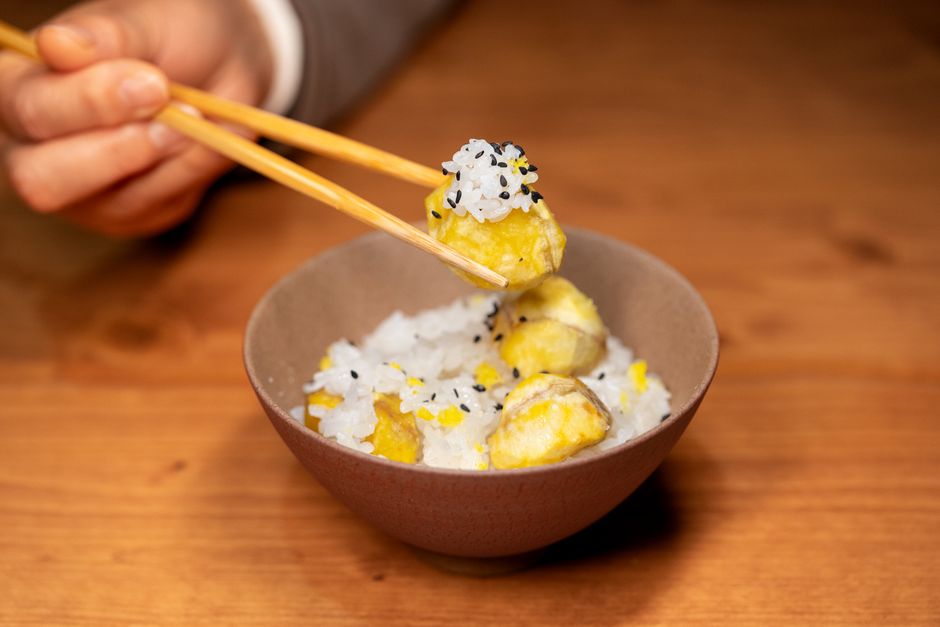
Golden Rice is a genetically modified rice variety engineered to produce beta-carotene, the compound the body converts into vitamin A. It is made by inserting two specific genes into the rice genome: one from maize (or daffodil) and one from a common soil bacterium. These genes enable the rice plant to make beta-carotene in the grain endosperm, which ordinary rice cannot do.
Why was Golden Rice developed?
Vitamin A deficiency is a serious public health problem in many parts of the world, especially in regions where rice is a staple food and dietary sources of vitamin A are scarce. In children, it can cause blindness and increase the risk of death from infections. In pregnant women, it raises the risk of maternal mortality. Golden Rice was created as a biofortified crop to provide a sustainable, low-cost source of vitamin A precursor that could be grown and eaten by the same people who rely on rice daily.
How is Golden Rice made through genetic engineering?
The core of the process involves adding a biochemical pathway that rice naturally lacks. Ordinary rice can produce beta-carotene in its leaves, but the genes needed to make it in the grain are inactive or missing. Scientists isolate the psy (phytoene synthase) gene from maize and the crtI (carotene desaturase) gene from the bacterium Pantoea ananatis. These two genes code for enzymes that convert a common precursor molecule, geranylgeranyl diphosphate, into beta-carotene.
The genes are inserted into a DNA cassette that also includes a promoter (a genetic on-switch) that is active in the endosperm — the starchy part of the rice grain. This ensures beta-carotene is produced only in the edible part, not in leaves or roots. The cassette is placed into a plasmid, a small circular DNA molecule, and introduced into rice cells using one of two main methods: Agrobacterium tumefaciens-mediated transformation or biolistics (gene gun).
- Agrobacterium method – A modified version of a naturally occurring bacterium that transfers DNA into plant cells. The bacterium carries the engineered plasmid and infects rice embryo or callus cells, integrating the genes into the rice genome.
- Biolistics – Microscopic gold or tungsten particles coated with the DNA are shot into rice cells using a pressurized device. Some cells take up the DNA and incorporate it randomly into their chromosomes.
After transformation, the cells are grown in a culture medium that contains a selection agent, such as an antibiotic or herbicide, that kills cells not carrying the inserted genes. Only cells that successfully integrated the new DNA survive. These are regenerated into whole rice plants through tissue culture. The plants are grown to maturity, and their grain is tested for beta-carotene content. The best-performing lines are then crossed with locally adapted rice varieties to combine the beta-carotene trait with desirable agronomic traits like yield, pest resistance, and grain quality.
What genes are added to create Golden Rice?
Two key genes are responsible: psy (phytoene synthase) and crtI (carotene desaturase). The original Golden Rice developed in 2000 used the psy gene from daffodil and the crtI gene from the bacterium Erwinia uredovora (now reclassified as Pantoea ananatis). Later versions, called Golden Rice 2, replaced the daffodil psy with the maize psy gene, which produced much higher beta-carotene levels — up to 37 micrograms per gram of rice, compared to about 6 micrograms per gram in the original version.
The engineered rice also carries a selectable marker gene, typically one that confers resistance to a specific antibiotic such as hygromycin or kanamycin. This marker is used during development to identify successful transformants but is not expressed in the mature grain. The marker gene has been a point of regulatory scrutiny; however, safety assessments have found no health risk from its presence.




How is the engineered rice tested for safety?
Golden Rice has undergone extensive safety evaluations following guidelines from the World Health Organization, the Food and Agriculture Organization, and national regulatory agencies. These assessments include molecular characterization (confirming the inserted DNA is stable and no unintended disruptions occur), compositional analysis (comparing nutrient and toxin levels to conventional rice), allergenicity studies (checking if any new protein resembles known allergens), and animal feeding trials (typically with rats or chickens).
Results from these studies have been published in peer-reviewed journals and reviewed by regulators in several countries. The Philippines granted Golden Rice a biosafety permit for commercial propagation in 2021 after reviewing data from multiple years of field trials and lab studies. Bangladesh has approved it for field testing and is moving toward commercial release. No adverse health effects have been reported in any of the studies conducted.
Does Golden Rice provide enough vitamin A?
One serving of cooked Golden Rice (about 100–150 grams) can provide roughly 50–80% of the daily recommended intake of vitamin A for a young child, depending on the variety and cooking method. However, the body’s ability to convert beta-carotene into retinol (active vitamin A) varies. It is less efficient when a person has an infection, low fat intake, or poor gut health. Some studies suggest that Golden Rice beta-carotene is as bioavailable as beta-carotene from other plant sources like carrots or spinach when consumed with a small amount of fat.
A clinical trial published in the American Journal of Clinical Nutrition found that Golden Rice was as effective as a beta-carotene supplement at providing vitamin A to children. That trial, conducted in China in 2012, was small (about 45 children) but well-designed. More recent field studies in Bangladesh and the Philippines confirm that children who eat Golden Rice show improved vitamin A status when it replaces white rice in their diet.
Where is Golden Rice grown and approved?
As of early 2025, Golden Rice has been approved for commercial cultivation only in the Philippines. Bangladesh has completed field trials and is finalizing its regulatory process. Several other countries, including Indonesia and India, are evaluating Golden Rice through confined field trials. It is not grown commercially in any other country. The rice is developed and managed by the International Rice Research Institute (IRRI) in the Philippines, in collaboration with national agricultural research systems.
Opposition from some activist groups has slowed adoption in some regions, mainly on grounds of GMO safety and intellectual property concerns. However, the patent holders (Syngenta and others) have granted free licenses for humanitarian use, meaning farmers in developing countries can grow and sell Golden Rice without paying royalties.
How does Golden Rice compare to other vitamin A interventions?
Existing strategies to reduce vitamin A deficiency include high-dose vitamin A capsules (given every 4–6 months), dietary diversification (encouraging intake of dark leafy greens, orange vegetables, and animal sources), and food fortification (such as adding vitamin A to cooking oil or sugar). Each approach has limitations: capsules require a delivery system; fortified foods require centralized processing; and dietary changes can be slow to adopt. Golden Rice offers a complementary option because it fits directly into existing eating patterns and does not require changes in farming or cooking habits.
It is not a complete solution on its own. Golden Rice alone cannot eliminate vitamin A deficiency, but modeling studies suggest it could reduce the burden by 30–50% in populations that rely heavily on rice. The most effective approach combines Golden Rice with other interventions.
Frequently Asked Questions
Is Golden Rice safe to eat?
Yes, extensive safety assessments by multiple national regulatory agencies have concluded that Golden Rice is as safe as conventional rice. The World Health Organization and other international bodies have reviewed the data and found no evidence of health risks.
Is Golden Rice organic?
No, Golden Rice is genetically modified, and organic certification standards prohibit the use of genetically engineered seeds. Therefore it cannot be labeled organic.
Can Golden Rice cure vitamin A deficiency?
It can help prevent and reduce vitamin A deficiency when eaten regularly as part of a balanced diet, but it is not a medical treatment or cure. It supplies beta-carotene that the body converts to vitamin A, similar to eating carrots or squash.
How is Golden Rice different from regular white rice?
The main difference is that Golden Rice produces beta-carotene in the grain, giving it a yellow or golden color, while white rice contains no beta-carotene. Nutritionally, both are comparable in calories and starch, but Golden Rice provides a source of provitamin A that white rice does not.
