
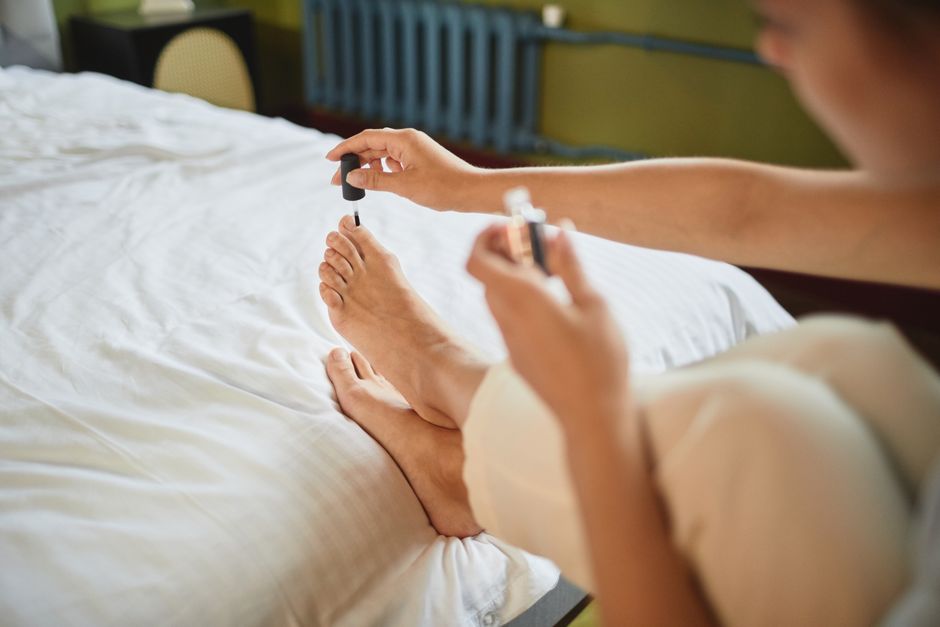
An ingrown toenail happens when the nail edge grows into the surrounding skin. Home care works well for early stages: soak the foot in warm water, gently lift the nail edge, and keep the area clean. If pain worsens or signs of infection appear, see a doctor. Science confirms that proper trimming and good‑fitting shoes prevent most cases.
What Causes an Ingrown Toenail?
Ingrown toenails usually affect the big toe, but they can happen on any toe. The nail curves and digs into the skin. This causes pain, redness, and swelling.
Three main things cause this problem. Improper nail trimming is the most common. Cutting nails too short or rounding the edges makes the nail more likely to grow into the skin. Tight shoes press the toes together and push the nail into the flesh. Trauma such as stubbing the toe or dropping something on it can also start an ingrown nail.
Some people inherit a natural curve in their nails. Athletes, dancers, and people on their feet all day have higher risk. Diabetes and poor circulation increase the chance of complications if an ingrown nail gets infected.
What Are the Symptoms?
Early signs are easy to spot. The side of the nail bed feels tender and sore. The skin around the nail edge may be red and slightly swollen.
As it gets worse, the pain increases. The area may feel warm. Pus or clear fluid can drain from the spot. If the infection spreads, you might see red streaks on the skin or have a fever. At this stage, home care is not enough.
It is important to tell the difference between mild irritation and infection. Mild irritation usually responds to home care. Infection requires medical treatment.
How To Help A Ingrown Toenail at Home
If the toe is not infected and the pain is mild, you can try these steps. Soak your foot in warm water for 15 to 20 minutes three to four times a day. Some people add Epsom salt, though research on its benefit is limited. Warm water alone softens the skin and reduces tenderness.
After soaking, dry the foot thoroughly. Gently lift the nail edge away from the skin using a clean cotton ball or dental floss. Place a small piece of cotton or waxed floss under the corner of the nail. This helps the nail grow over the skin instead of into it. Change the cotton daily and keep the area clean.
Over‑the‑counter pain relievers like ibuprofen or acetaminophen can help with discomfort. Apply antibiotic ointment to the area to reduce the risk of infection. Cover it with a bandage if needed, but let the toe breathe when possible.
Do not cut the nail in a curve or try to dig out the nail corner yourself. This often makes the problem worse. Do not use sharp tools or scissors to cut off the nail edge. This can cause more injury and introduce bacteria.
Home care works best when you start early. If the nail does not improve after two to three days, or if swelling increases, stop home treatment and see a doctor.




When Should You See a Doctor?
See a doctor if you have signs of infection. These include pus, warmth, red streaks, or worsening pain. Also see a doctor if you have diabetes, peripheral artery disease, or a condition that slows healing. In these cases, even a small injury can become serious.
A doctor can remove the part of the nail that is digging into the skin. This is done with a local numbing shot so you do not feel pain. In some cases, the doctor may prescribe oral antibiotics.
For people who get ingrown toenails repeatedly, a minor procedure called partial nail avulsion can help. The doctor removes the side of the nail and applies a chemical to keep it from growing back. This has a low risk of recurrence and is done in the office.
If you have severe pain, cannot walk normally, or see spreading redness, go to urgent care or your primary care doctor. Do not wait for it to get better on its own.
How Can You Prevent Ingrown Toenails?
Prevention is straightforward. Trim your toenails straight across. Do not round the corners. Keep nails at a length where you can still see the white edge above the skin. Cutting too short invites the nail to curve into the skin.
Wear shoes that fit properly. The toe box should be wide enough so your toes are not crowded. Avoid high heels that push your toes forward. Change socks daily and keep your feet clean and dry.
If you are prone to ingrown nails, consider wearing sandals or open‑toed shoes when possible. Check your feet regularly, especially if you have diabetes or reduced feeling in your feet. Catch a problem early before it becomes painful.
Do not pick at your toenails or tear them off at the edges. Let a nail grow long enough before trimming it again.
Frequently Asked Questions
Can I cut the ingrown nail myself?
It is best not to cut the ingrown nail yourself. Cutting can push the nail deeper and increase infection risk.
Does soaking in Epsom salt really help?
Soaking in warm water helps soften the skin and reduce swelling. The scientific evidence for Epsom salt specifically is weak, but warm water alone is beneficial.
When does an ingrown toenail need surgery?
Surgery is needed when home care fails and the toenail is infected or the pain is severe. A minor office procedure removes the ingrown edge permanently.
Will an ingrown toenail heal on its own?
A very mild ingrown toenail can heal on its own if you keep the area clean and avoid pressure. But most cases need some form of intervention to resolve completely.
