
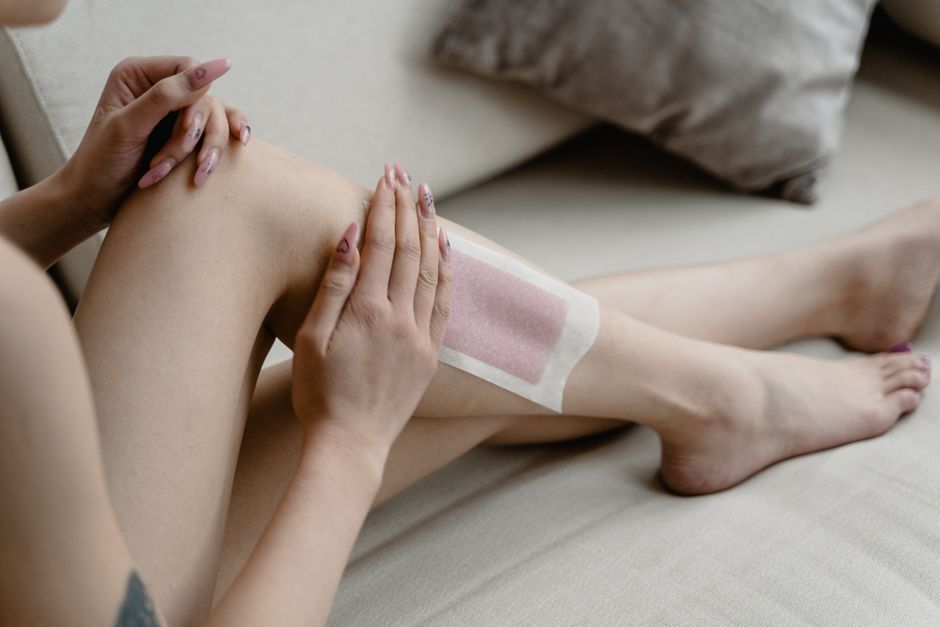
Yes, epilating can cause ingrown hairs. When you pull hair from the root, the new hair sometimes grows sideways or curls back under the skin instead of exiting the follicle. This is more likely if your hair is coarse or curly. But you can prevent most ingrown hairs with the right preparation, technique, and aftercare.
Why Epilating Can Cause Ingrown Hairs
Epilating pulls multiple hairs out at once with a rotating spring or disc. This action can irritate the hair follicle and leave the skin slightly inflamed. When the hair regrows, it may struggle to break through the surface if dead skin cells block the opening or if the hair shaft is curved.
Unlike shaving, which cuts the hair flat against the skin, epilating removes it from the root. The regrowth is blunt and can more easily become trapped. People with naturally curly or coarse hair are at higher risk because the hair tends to bend back into the skin.
Ingrown hairs are not infections on their own, but they can become infected if bacteria enter the irritated follicle. Signs of infection include redness, warmth, pus, or pain beyond mild irritation.
Does Epilating Cause Ingrown Hairs How To Prevent
Yes, epilating can cause ingrown hairs, but prevention is possible with a consistent routine. The most important steps happen before, during, and after each epilation session.
Before epilating: Exfoliate the area gently the day before. A mild body scrub or a dry brush removes dead skin that could trap new hairs. Do not exfoliate right before epilating because the skin will already be sensitive.
During epilating: Hold the skin taut with one hand and move the epilator against the direction of hair growth. This lifts the hair before pulling it. However, for sensitive areas like the underarms or bikini line, some people find moving in the direction of growth reduces irritation and may lower the chance of ingrown hairs. Test both methods on a small patch first.
After epilating: Apply a soothing moisturizer or aloe vera gel. Do not wear tight clothing over the area for a few hours. Starting the next day, exfoliate every 2 to 3 days to keep the follicle openings clear.
Consistency matters more than any single step. If you skip exfoliation for a week, ingrown hairs are more likely to form.
How to Prevent Ingrown Hairs When Epilating
Prevention requires addressing both the skin surface and the hair growth pattern. Here are practical steps backed by common dermatologic advice.
- Exfoliate regularly: Use a gentle physical scrub or a chemical exfoliant containing salicylic acid or glycolic acid. Chemical exfoliants are often better for sensitive skin because they dissolve dead cells without abrasion.
- Moisturize daily: Well-hydrated skin is softer and less likely to trap hairs. Look for a fragrance-free lotion to avoid irritation.
- Choose the right epilator speed: Lower speeds may be less likely to break hairs or cause irritation. Higher speeds remove more hair quickly but can increase trauma.
- Epilate after a warm shower: Warmth opens the pores and softens the hair, reducing resistance and friction.
- Avoid repeated passes over the same area: Going over the same spot multiple times raises the risk of ingrown hairs and skin damage.
Some people benefit from using an epilator designed for sensitive skin, which often has fewer tweezers and a gentler action.




Can Epilating Make Ingrown Hairs Worse for Some People
Yes. People with thick, curly hair or sensitive skin are more prone to developing ingrown hairs from any hair removal method, including epilating. If you have a history of folliculitis or frequent ingrown hairs from shaving, epilating may not be the best choice for you.
Epilating can also make existing ingrown hairs worse if you epilate over them. The device may pull the trapped hair incorrectly or damage the follicle further. If you already have an inflamed ingrown hair, let it heal before epilating that area again.
Those with certain skin conditions, such as eczema or psoriasis, should be cautious. The pulling action can trigger a flare or worsen irritation. A dermatologist can help you decide if epilating is safe for your skin type.
What Should You Do If You Already Have an Ingrown Hair from Epilating
If you see a red bump with a hair trapped beneath the surface, do not pick at it. Picking can lead to infection and scarring. Instead, try these steps.
- Apply a warm compress: Heat for 10 to 15 minutes several times a day can help bring the hair closer to the surface.
- Gently exfoliate: After a few days of warm compresses, use a soft washcloth or a gentle scrub in a circular motion to help release the hair.
- Use a sterile needle as a last resort: If the hair is visible just under the skin, you can carefully lift the free end with a sterile needle after cleaning the area. Do not dig or cut the skin.
If the bump becomes painful, redder, or forms pus, it may be infected. See a healthcare provider. They may prescribe an antibiotic cream or, in rare cases, need to drain the area.
Are There Alternatives to Epilating That Cause Fewer Ingrown Hairs
Some hair removal methods are less likely to cause ingrown hairs than epilating.
- Shaving: Causes fewer ingrown hairs than epilating for most people, but the hair grows back faster and stubbly. The risk is lower because the hair is cut at the surface.
- Waxing: Pulls hair from the root like epilating, but the hair is removed in one direction with a strip. Some people find waxing less irritating because each hair is pulled only once.
- Laser hair removal: Damages the follicle so hair grows back thinner or not at all. Over multiple sessions, ingrown hairs become much less common because the hair is finer. This is the most effective long-term solution for preventing ingrown hairs, but it requires several appointments and can be expensive.
- Depilatory creams: Dissolve hair just below the skin surface. They do not cause ingrown hairs as often, but they can irritate sensitive skin and have a strong odor.
No method is completely free of ingrown hairs for everyone. Your skin type, hair texture, and technique all play a role.
When to See a Doctor for Ingrown Hairs
Most ingrown hairs resolve on their own within a week or two with home care. See a doctor if:
- The bump becomes increasingly red, swollen, or painful.
- You develop a fever or red streaks spreading from the area.
- You get ingrown hairs frequently despite changing your hair removal routine.
- The area feels hot or has drainage of pus.
These signs may indicate a bacterial infection called folliculitis or, in rare cases, a more serious skin infection. A doctor can prescribe topical antibiotics or oral medication if needed. For recurring ingrown hairs, they may recommend a different hair removal method or a prescription cream that reduces hair growth or inflammation.
Frequently Asked Questions
Can epilating cause ingrown hairs on sensitive skin?
Yes. Sensitive skin is more likely to become inflamed after epilating, which increases the chance that a hair will become trapped.
How often should I exfoliate to prevent ingrown hairs from epilating?
Exfoliate every 2 to 3 days starting the day after epilation. More frequent exfoliation can irritate the skin and make things worse.
Should I epilate against or with the direction of hair growth?
Epilating against the direction of growth usually removes hair more effectively, but for curvy areas like the bikini line, going with the growth may reduce irritation and ingrown hairs.
Can I use an epilator if I already have ingrown hairs?
It is best to wait until the ingrown hair has healed. Epilating over an inflamed bump can worsen the irritation and increase infection risk.
