
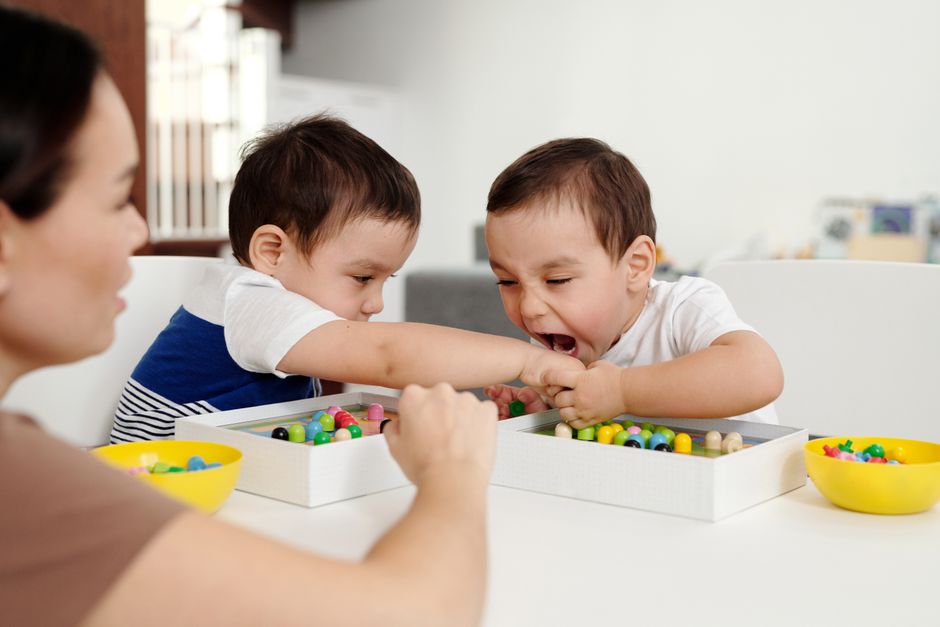
Toddler biting is one of the most stressful parenting challenges. It feels personal, and it looks aggressive. The good news is that biting is a normal phase for many toddlers. The key to stopping it for good is understanding why it happens and responding consistently. You stop the behavior by staying calm, addressing the cause, and teaching a replacement behavior. This approach works because it targets the reason for the bite, not just the symptom.
Why Do Toddlers Bite?
Toddlers bite for a few main reasons. Most of the time, it is not about anger or malice. It is about communication and development.
The most common reason is a lack of language skills. A toddler who cannot say “I am frustrated” or “Move over” may bite to get the point across. They have the emotion but not the words. Biting becomes a fast, effective way to communicate.
Another common cause is teething. Pressure on the gums feels good. Biting a parent’s shoulder or a sibling’s arm provides that relief. This is not a behavioral issue; it is a physical one.
Some toddlers bite out of curiosity. They want to see what happens. They do not yet understand that biting hurts. Cause and effect is a skill they are still learning.
Finally, some toddlers bite when they are overstimulated or overtired. Sensory overload can be overwhelming. Biting is a way to release that built-up tension. It is a coping mechanism, even if it is a poor one.
What Should You Do Right After a Bite?
Your immediate response matters more than anything else. The goal is to be quick, firm, and calm. Do not yell. Do not lecture. A short, clear response works best.
Say something like “No biting. Biting hurts.” Keep it to one sentence. Then, attend to the child who was bitten. This shows the biter that biting does not get attention. It shows the hurt child that they are safe.
Once you have checked on the other child, turn back to the biter. Get down to their eye level. Repeat the rule calmly: “We do not bite. Biting hurts people.”
Do not bite the child back to show them how it feels. This is an old idea, but it is not effective. It teaches the child that biting is acceptable in some situations. It also models aggressive behavior. Research and pediatric guidance consistently advise against it.
If the bite drew blood or broke the skin, wash the area gently with soap and water. This is standard first aid for human bites. If the bite is deep, on the face, or shows signs of infection, contact your pediatrician.
How To Get A Toddler To Stop Biting For Good: Prevention Strategies
Prevention is the most effective tool you have. Once you know the trigger, you can often stop the bite before it happens.
Watch for patterns. Does the biting happen at the same time of day? Is it during playdates? Is it when the toddler is tired or hungry? Keeping a simple mental note of these patterns helps you predict the behavior.
Offer words for feelings. Toddlers need help naming emotions. Say “You look frustrated that the block tower fell.” or “I see you are angry.” This gives them a tool to use instead of biting. Over time, they will start to use these words themselves.
Provide safe things to bite. If teething is the cause, offer a cold teething ring or a clean, damp washcloth. This redirects the need to bite to an appropriate object. It is not a reward; it is a substitute.
Use positive reinforcement. When you see your toddler handling frustration well, say so. “You used your words instead of biting. That was great.” Specific praise is more effective than general praise.
Structure the environment. If a particular toy causes fights, remove it for a while. If playdates are overwhelming, keep them short. Reducing the stressor reduces the biting.





What Not To Do When Your Toddler Bites
A few common responses make biting worse. Knowing what to avoid is just as important as knowing what to do.
Do not punish harshly. Time-outs are debated among experts. Very young toddlers often do not connect the punishment to the action. A long lecture is also lost on them. They simply stop listening.
Do not shame the child. Calling a toddler “bad” or “mean” does not help. It damages their self-image. They are not bad; they are learning.
Do not over-focus on the bite. If you give a huge emotional reaction, some toddlers will repeat the behavior just to get that reaction again. Calm and brief is the goal.
Do not force an apology. A forced “sorry” means nothing to a toddler. They do not yet understand remorse. Instead, model empathy by caring for the hurt child. Your toddler learns empathy by watching you.
When Does Toddler Biting Become a Concern?
Most toddlers stop biting on their own by age three. Language skills improve. Impulse control develops. The need to bite fades.
However, some situations warrant a call to your pediatrician or a child development specialist. If the biting continues past age four, it is worth discussing. If the biting is frequent and intense, or if it is accompanied by other aggressive behaviors like hitting or kicking, seek guidance.
Also, talk to your pediatrician if the biting is causing significant distress at daycare or preschool. A teacher may report that the biting is disrupting the classroom. This is a sign that additional support may be helpful.
These are not emergencies, but they are worth professional input. Early intervention is always better than waiting.
What If the Biting Happens at Daycare or With Other Children?
Biting often happens in social settings. Sharing toys is hard. Personal space is a new concept. Daycare providers see this frequently.
Communicate with the daycare staff. Ask how they handle biting. Most have a clear policy. Consistency between home and daycare is important. If the child hears the same message in both places, they learn faster.
At home, practice sharing and turn-taking. Play simple games that involve waiting. This builds the skills needed to handle social situations without biting.
If your child bites a friend at a playdate, follow the same steps. Separate the children. Address the biter briefly. Then, move on. Do not spend the rest of the playdate discussing it. Children pick up on parental anxiety, and that can make things worse.
How Long Does It Take To Stop Biting?
There is no fixed timeline. Some toddlers stop within a week of consistent response. Others need several weeks or months. The age of the child and the cause of the biting play a big role.
Teething-related biting stops when the tooth breaks through. Attention-seeking biting stops when the child learns it does not work. Frustration-related biting takes longer because it requires language development.
The most important factor is consistency. Every adult who cares for the child must respond the same way. If one parent ignores it and the other scolds, the child gets a mixed message. That slows progress.
If you are consistent, the behavior will fade. It rarely disappears overnight, but it does improve steadily. Celebrate small wins. A day without biting is a good day.
Frequently Asked Questions
Is biting a sign of a behavioral problem in toddlers?
No. Biting is a common developmental phase for toddlers, especially between ages one and three. It usually reflects underdeveloped language skills or teething discomfort, not a behavioral disorder.
Should I bite my toddler back to show them it hurts?
No. Biting back is not effective and is against pediatric guidance. It models aggression and confuses the child about when biting is acceptable.
When should I worry about my toddler’s biting?
Talk to your pediatrician if biting continues past age four, is very frequent, or occurs with other aggressive behaviors. Also seek advice if daycare or preschool reports it as a persistent disruption.
