
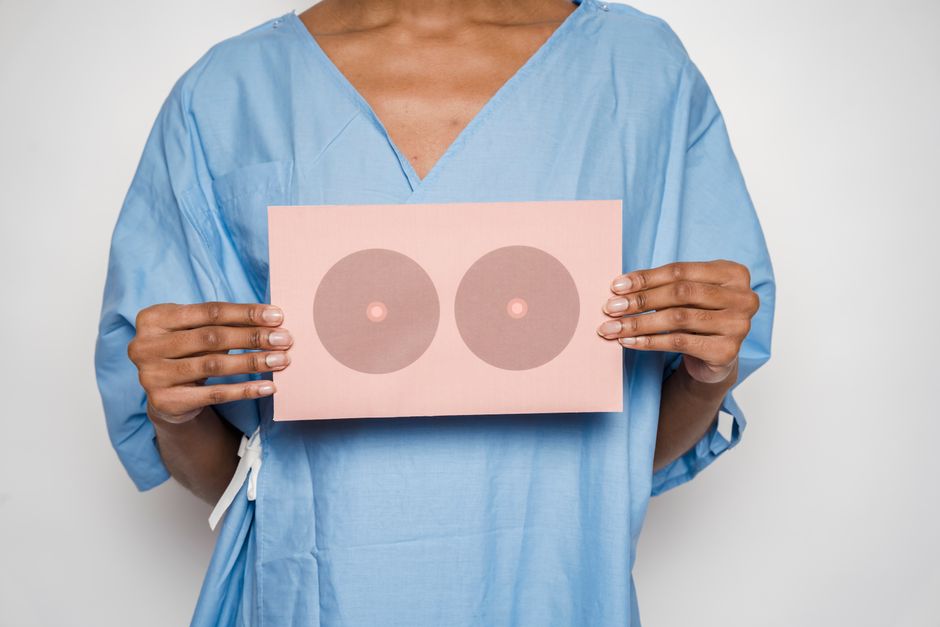
Breast growth usually stops in the late teens to early twenties, most often around age 18 to 20. However, breast tissue can change at any age due to weight fluctuations, pregnancy, breastfeeding, hormonal shifts, and menopause. The idea that breasts are “done” at a fixed age is an oversimplification — biology rarely follows a strict schedule.
When Do Your Boobs Stop Growing?
Most people finish developing breast tissue between ages 18 and 20. This is when the hormonal signals that drive breast development during puberty have largely completed their work.
Puberty in girls typically begins between ages 8 and 13. Breast budding — the first sign — usually starts around age 10 or 11, though the normal range is wide. From there, breasts develop over roughly two to four years. Some people finish at 16. Others are still seeing changes at 21.
That variation is normal. Genetics, body weight, and overall health all influence the timeline. There is no single “correct” age by which breasts must stop growing.
What many people do not realize is that breast tissue is not static after development ends. It responds to hormones throughout life. That means “stopped growing” does not mean “will never change again.”
What Actually Controls Breast Growth?
Breast development is driven primarily by two hormones: estrogen and progesterone. Both are produced mainly by the ovaries, and both rise significantly during puberty.
Estrogen stimulates the growth of breast ducts — the channels that carry milk. Progesterone promotes development of the lobules, which are the milk-producing glands. Together, they build the structure of the breast.
Breast tissue itself is made up of three main components:
- Glandular tissue — the ducts and lobules that produce and transport milk
- Fatty tissue — determines much of the breast’s size and shape
- Connective tissue — provides support and structure
The ratio of these components varies from person to person. Some breasts are mostly fatty tissue. Others are mostly glandular. This ratio affects how breasts look, feel, and change over time.
It also explains why breast size can shift with weight gain or loss. Fatty tissue responds to overall body fat changes. Glandular tissue does not.
Can Breasts Grow After 20?
Yes. Breasts can change size well after the teenage years. This does not mean puberty restarted — it means other factors are at work.
Weight gain is the most common reason. Since breasts contain fatty tissue, gaining weight often increases breast size. Losing weight can decrease it. This is not growth in the developmental sense, but it changes breast size noticeably.
Hormonal changes also play a role. Starting or stopping hormonal birth control, for example, can cause breast size to shift. Some people notice changes within weeks. Others notice nothing at all.
Pregnancy causes significant breast growth as glandular tissue expands in preparation for milk production. This growth can begin in the first few weeks of pregnancy and continues throughout. Breasts may remain larger after breastfeeding ends, or they may return close to their pre-pregnancy size. Either outcome is normal.
Menopause is another turning point. Estrogen levels decline, and glandular tissue shrinks. Breasts may become smaller, less dense, or change shape. At the same time, weight gain around the midsection — common during menopause — can offset some of that change.




Does Breast Size Stop Changing at Some Point?
Breast size never becomes permanently fixed. It can change at any stage of life.
That said, the rapid growth of puberty does end. After the late teens or early twenties, changes tend to be slower and tied to specific events — weight shifts, pregnancy, hormonal transitions, or medications.
Some people experience breast growth as a side effect of certain medications. Others see changes from hormonal conditions. These situations are different from normal developmental growth, but they are real and worth discussing with a doctor if they are sudden or one-sided.
Breast shape also changes over time, even when size stays the same. Skin loses some elasticity with age. Ligaments that support the breast can stretch. This is a normal part of aging, not a sign of a problem.
What Affects Breast Size Besides Hormones?
Genetics are the strongest predictor of breast size. If you want a general sense of what is typical for your body, looking at close biological relatives gives more information than any online chart.
Body weight matters significantly. Because breasts contain fat, overall body composition influences size. Two people with identical genetics can have very different breast sizes if their body weights differ.
Age plays a role through hormonal shifts and tissue changes. Exercise does not change breast size directly, since breasts do not contain muscle. However, building chest muscles underneath the breast can change its appearance and projection.
Nutrition during puberty may influence development, but the evidence here is limited. Severe malnutrition can delay puberty and breast development. Beyond that, no specific food or diet has been shown to reliably increase breast size.
Do Creams, Pills, or Exercises Make Breasts Grow?
No. There is no credible evidence that creams, pills, or exercises increase breast size.
Breast enlargement creams often contain plant-derived estrogens or moisturizers. Some may cause temporary swelling or skin irritation. None have been shown in controlled studies to produce lasting breast growth. The FDA has warned several companies for making unproven claims about these products.
Breast enhancement pills face the same problem. Some contain herbal ingredients that theoretically mimic estrogen. But the dose, absorption, and actual effect on breast tissue are not established. No large human trials support their use for this purpose.
Exercises like push-ups or chest presses strengthen the pectoral muscles beneath the breast. This can make the chest look firmer or more defined. It does not increase the amount of breast tissue. Breast size itself does not change from exercise.
If you are considering any product or procedure for breast enhancement, talk to a doctor first. Some products contain active compounds that can interact with medications or affect hormone-sensitive conditions.
When Should Changes in Breast Size Be Checked?
Breast changes are usually normal. But some changes warrant a medical evaluation.
See a doctor if you notice:
- A sudden increase in one breast but not the other
- Breast growth accompanied by pain, redness, or skin changes
- Nipple discharge, especially without squeezing
- A new lump or thickening that does not go away
- Dimpling, puckering, or changes in the skin’s texture
Asymmetry between breasts is common and usually harmless. Most people have one breast slightly larger than the other. But a sudden or significant change in size difference should be checked.
Hormonal conditions, including some thyroid disorders and pituitary conditions, can affect breast tissue. So can certain medications. A doctor can help sort out whether a change is routine or needs further investigation.
What About Breast Growth During Pregnancy and Breastfeeding?
Breast growth during pregnancy is expected and often substantial. The glandular tissue expands to prepare for milk production, and blood flow to the breasts increases.
This growth can start early — sometimes within the first few weeks after conception — and continue through pregnancy. Breasts may feel fuller, heavier, and more tender. These changes are driven by rising levels of estrogen, progesterone, and prolactin.
After breastfeeding ends, breasts may shrink back, stay larger, or change shape. There is no reliable way to predict which will happen. It depends on factors like weight changes, genetics, and how long breastfeeding lasted.
Some people find that their breasts never return to their pre-pregnancy size. Others find they are smaller than before. Both outcomes fall within the range of normal.
Does Breast Size Affect Breastfeeding Ability?
No. Breast size does not determine milk supply or breastfeeding success.
Milk production depends on glandular tissue and hormonal signals, not on how much fatty tissue the breast contains. Smaller breasts can produce plenty of milk. Larger breasts can sometimes face different challenges, such as difficulty with latching, but size itself is not the deciding factor.
What matters more is the amount of functional glandular tissue and whether hormonal signals are working properly. Most people who want to breastfeed are able to do so regardless of breast size.
Frequently Asked Questions
At what age do breasts stop growing?
Most breast development is complete by age 18 to 20, though the exact timing varies. Breasts can still change size later due to weight shifts, pregnancy, or hormonal changes.
Can your breasts grow in your 30s?
Yes. Weight gain, pregnancy, hormonal birth control, and other hormonal shifts can all change breast size in your 30s. This is not the same as pubertal growth, but the size change is real.
Do breasts grow again after menopause?
Breasts often change after menopause, but usually they shrink or lose density due to declining estrogen. Weight gain during menopause can offset this and make breasts larger.
Is it normal for one breast to be bigger than the other?
Yes. Some degree of breast asymmetry is very common and usually harmless. A sudden or significant change in size difference should be checked by a doctor.
