
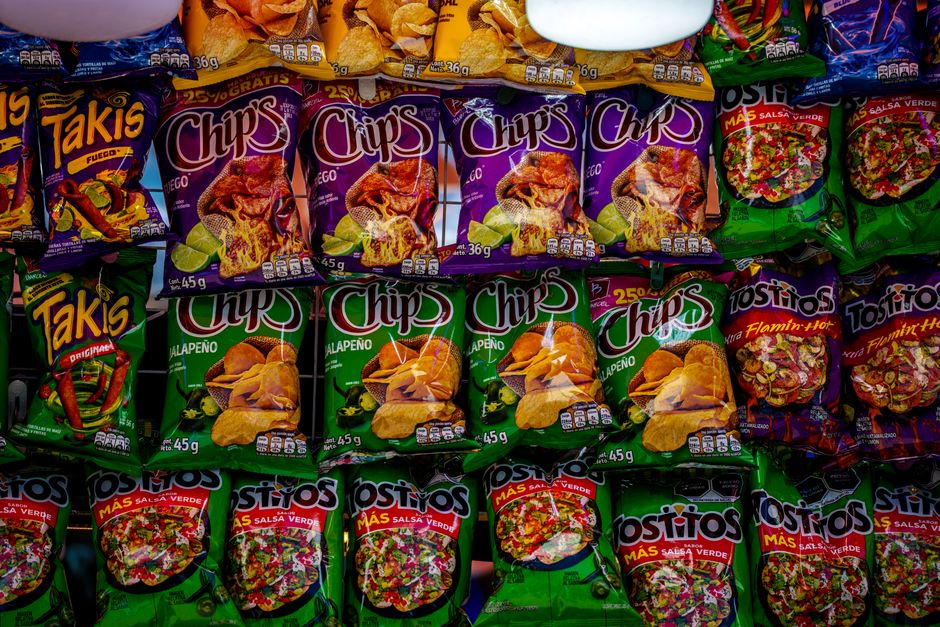
Takis are rolled corn chips coated in a heavy layer of chili-lime seasoning and acid. Eating a large amount in one sitting can irritate the stomach lining, pull water into the gut, and speed up digestion — and that combination often ends in diarrhea. The fix is simple: stop eating them for now, drink water or an electrolyte drink, and let your gut settle. Most cases pass within a day once the trigger is gone.
That is the short version. The longer version is more useful, because “Takis gave me diarrhea” is not one single problem. It is several problems stacking on top of each other, and knowing which one hit you changes what helps.
Why Takis Give You Diarrhea And How To Stop It?
The diarrhea comes from a mix of three things: capsaicin from chili, a very high acid load, and a large dose of fat and salt hitting the gut at once.
Capsaicin is the compound that makes chili peppers hot. It binds to TRPV1 receptors — the same receptors that sense actual heat — which is why your mouth and stomach feel like they are burning. Your gut responds to that irritation by moving contents through faster. Faster transit means less time for water to be absorbed in the colon, and that shows up as loose or watery stool.
Acid is the second hit. Takis get their tang from citric acid and similar acidulants, and the coating is dense. A large serving delivers a lot of acid into an empty or near-empty stomach, which can irritate the stomach lining and trigger nausea along with the urgency.
Fat and salt are the third. Fried corn chips are high in fat, and a big fat load can overwhelm normal digestion. High sodium pulls fluid shifts in the gut. Together these can produce the same loose, urgent result even without much chili heat.
None of this means Takis are contaminated or that something is wrong with you. It means you ate a food designed to be intensely irritating in large amounts. The irritation is the point of the product. Your gut does not distinguish between “flavor” and “insult.”
How Much Takis Is Too Much?
There is no official threshold, and no clinical guideline sets a safe amount of extremely spicy, high-acid snack food for any population. That is an honest answer, not a dodge.
What matters is your individual sensitivity, which is real and varies widely. Some people eat a full bag with no problem. Others get cramping after a small handful. Tolerance depends on how often you eat spicy food, how sensitive your gut is generally, and whether you have an underlying condition like irritable bowel syndrome.
Two practical points:
- An empty stomach makes everything worse. Acid and capsaicin hit the lining directly with nothing to buffer them.
- Speed matters. Eating a large bag quickly delivers the whole dose in minutes. The same amount spread over an hour tends to cause less trouble.
If you already know a full bag wrecks you, a smaller portion is the only reliable prevention. There is no supplement or drink that lets you eat unlimited spicy chips without consequence.
What Actually Helps Once It Starts?
Once diarrhea has started, the goal is to replace what you are losing and stop adding fuel to the fire.
Stop eating the trigger. This sounds obvious but people often keep snacking. Every additional handful restarts the irritation.
Drink fluids with electrolytes. Diarrhea loses water and salts, especially sodium and potassium. Plain water alone can leave you feeling weak. An oral rehydration solution or a sports drink with electrolytes is a reasonable choice for an adult. This is standard guidance for diarrhea from any cause.
Eat bland food when you feel ready. Bananas, plain rice, applesauce, and toast are the classic bland options. They are not a treatment. They are easy on a gut that is already irritated.
Skip dairy, alcohol, coffee, and more spicy food until you are back to normal. These can prolong loose stools.
Avoid anti-diarrheal medication if you have fever or bloody stool. In that situation, slowing the gut can make things worse. If you have fever, blood, or severe pain, that is a reason to see a doctor rather than self-treat. This is established clinical guidance, not a preference.
When Diarrhea From Spicy Food Is Not Just Spicy Food
Most Takis-related diarrhea is a direct irritation response and resolves on its own. But some cases are something else wearing the same costume.
Watch for these signs, which point away from simple food irritation:
- Fever, chills, or body aches
- Blood or black material in the stool
- Severe abdominal pain that does not ease
- Diarrhea lasting more than two days in an adult
- Signs of dehydration — dizziness on standing, very dark urine, dry mouth, no urination for many hours
- Vomiting that prevents you from keeping fluids down
Any of these is a reason to seek medical care. Foodborne illness, a stomach virus, or a flare of a chronic gut condition can all produce diarrhea that you might wrongly blame on the chips you ate earlier. Timing is a clue: irritation from a spicy snack usually hits within a few hours. A bug that hits 12 to 48 hours later is probably not the chips.
This distinction matters because the treatment is different. Irritation needs time and fluids. An infection may need evaluation. A chronic condition flare may need a change in management.
How to Prevent It Next Time
Prevention is straightforward, and it is mostly about dose and context.
- Eat a real meal first. Food in the stomach buffers acid and capsaicin.
- Keep the portion small. A handful, not a bag.
- Do not eat them on an empty stomach late at night.
- Drink water alongside, not just after.
- If you have IBS, acid reflux, or a sensitive gut, treat Takis as a food to avoid rather than moderate.
There is one point worth being clear about: milk and dairy are often suggested for cooling chili burn, and that advice comes from the mouth and throat experience, where the fat in milk helps wash capsaicin off receptors. Once the chips are in your stomach, drinking milk does not undo the irritation already underway. It may soothe your mouth. It will not prevent diarrhea.
Does Spicy Food Damage Your Gut Long-Term?
For most people, no. Occasional spicy food irritation does not cause lasting damage to a healthy gut.
Some research suggests capsaicin may have effects on gut function and even pain signaling that are more complex than simple irritation. The evidence here is mixed and not strong enough to make firm claims in either direction. What is clear is that the acute reaction — burning, urgency, loose stool — is a response to irritation, not evidence of injury.
The exception is people with existing conditions. If you have irritable bowel syndrome, inflammatory bowel disease, or chronic acid reflux, spicy and highly acidic foods are common triggers for symptom flares. That is a matter of managing a condition you already have, not of the food causing a new one.
Why Some People Get It and Others Do Not
Gut sensitivity is genuinely individual. Two people can eat the same bag and have completely different outcomes.
Factors that shift your response include how often you eat spicy food, your baseline gut motility, whether you have an underlying condition, and how much you ate and how fast. Regular spicy eaters often report less sensitivity over time, though this is a subjective pattern rather than a measured clinical effect.
There is also a simple numbers issue. A small serving of any intensely seasoned snack delivers a modest dose. A full bag delivers many times that. Most “Takis gave me diarrhea” stories involve a large amount eaten quickly, often on an empty stomach. The food did not change. The dose did.
Frequently Asked Questions
How long does diarrhea from Takis last?
Most cases ease within a few hours to a day once you stop eating them and keep drinking fluids. If it lasts more than two days in an adult, see a doctor.
Does drinking milk stop the diarrhea?
No. Milk can soothe the burn in your mouth, but it does not reverse irritation that has already reached your stomach and gut.
Can Takis cause food poisoning?
Any food can carry a pathogen, but the usual Takis reaction is irritation from chili, acid, fat, and salt rather than infection. Fever, blood in the stool, or symptoms starting a day or more later point toward infection instead.
Should I take anti-diarrheal medicine?
Only if you have no fever and no blood in your stool. If either is present, do not use anti-diarrheal medication and seek medical care instead.
