

Getting 100 grams of protein a day without meat is entirely doable. It just takes planning, because plant proteins are spread across more foods and often come with more calories and fiber per gram of protein than meat does. The most reliable approach is to build each meal around a concentrated protein source — tofu, tempeh, seitan, lentils, Greek yogurt, cottage cheese, or eggs if you eat them — and then fill in the gaps with grains, beans, and nuts. You do not need protein powder, but it makes hitting the number much easier.
How Much Protein Do You Actually Need?
The Recommended Dietary Allowance for protein is 0.8 grams per kilogram of body weight per day for most healthy adults. That is the amount needed to prevent deficiency, not necessarily the amount for optimal muscle health.
For a 150-pound (68 kg) adult, 0.8 g/kg works out to about 54 grams per day. For a 180-pound (82 kg) adult, it is about 65 grams. So 100 grams is well above the RDA for most people.
That matters because the RDA is a minimum floor, not a target. Research on muscle protein synthesis suggests that higher intakes — often in the range of 1.2 to 1.6 grams per kilogram per day — may better support muscle maintenance in older adults and people who exercise regularly. For a 150-pound person, that range is roughly 82 to 109 grams per day. So 100 grams sits comfortably within what some researchers consider a reasonable target for active adults or older adults trying to preserve muscle mass.
If you have kidney disease, talk to your doctor before significantly increasing protein. For people with healthy kidneys, higher protein intakes within these ranges have not been shown to cause kidney damage in the general population.
How To Get 100 Grams Of Protein Without Meat: The Core Strategy
Meat is protein-dense. A 4-ounce chicken breast delivers roughly 35 grams of protein in about 190 calories. Plant foods rarely match that ratio. So the strategy is different: you spread protein across the whole day and lean on the most concentrated plant and dairy sources.
Four meals at 25 grams each gets you to 100. Or three meals at 30 grams plus a snack at 10. Breaking it into meals also tends to work better for muscle protein synthesis than eating most of it in one sitting.
Here is what 25 grams of protein looks like from common vegetarian sources:
- 1 cup cooked lentils: about 18 grams
- 1 cup cooked chickpeas: about 15 grams
- 1 cup firm tofu: about 20 grams
- 1 cup tempeh: about 31 grams
- 3 ounces seitan: about 25 grams
- 1 cup Greek yogurt: about 20 grams
- 1 cup cottage cheese: about 24 grams
- 2 large eggs: about 12 grams
- 1 cup cooked quinoa: about 8 grams
- 2 tablespoons peanut butter: about 7 grams
Notice that no single plant food except tempeh and seitan hits 25 grams in a normal serving. That is the whole challenge in one sentence. You combine.
Which Vegetarian Foods Have The Most Protein?
Concentrated sources are the backbone of a meat-free 100-gram day. Without them, you end up eating enormous volumes of food to hit the target.
Seitan is the highest-protein vegetarian food by density. It is made from wheat gluten, so it is not suitable for anyone with celiac disease or gluten sensitivity. A 3-ounce serving delivers about 25 grams of protein in roughly 120 calories.
Tempeh is fermented whole soybeans. A 3-ounce serving has around 16 to 18 grams of protein, along with fiber and probiotics produced during fermentation. It has a firm texture and a nutty flavor that works in stir-fries, sandwiches, and grain bowls.
Tofu varies by firmness. Firm and extra-firm tofu contain more protein per serving than silken. A half-cup of firm tofu has roughly 10 grams; a full cup gets you to about 20.
Greek yogurt and cottage cheese are the most protein-dense options if you eat dairy. A single cup of cottage cheese can deliver close to 24 grams. These are often the easiest way to add 20-plus grams with almost no cooking.
Eggs are not plant-based, but they are vegetarian. Two large eggs provide about 12 grams of high-quality protein.
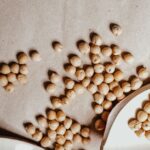
Lentils, chickpeas, black beans, and edamame are excellent but less concentrated. A cup of cooked lentils gives you about 18 grams — solid, but you would need to eat a lot of them to reach 100 grams on beans alone.



Do You Need To Combine Proteins At Every Meal?
No. The old idea that vegetarians must carefully pair complementary proteins at every meal — rice with beans, for example — has been revised. Your body maintains a pool of amino acids and can combine proteins eaten across the same day.
That said, most plant proteins are lower in one or more essential amino acids. Grains tend to be low in lysine. Beans tend to be low in methionine. Eating a variety of plant proteins over the course of a day covers the gaps without any deliberate pairing.
If you eat eggs or dairy, the amino acid profile concern largely disappears, because both are complete proteins.
One clarification worth making: quinoa, soy, and buckwheat are often called “complete proteins,” and they do contain all nine essential amino acids. But “complete” does not mean “superior.” What matters is total daily intake and variety, not whether a single food checks every box.
What Does A 100-Gram Day Actually Look Like?
Here is a sample day using vegetarian foods. The numbers are approximate and based on standard USDA nutrient data.
| Meal | Food | Protein |
|---|---|---|
| Breakfast | 1 cup Greek yogurt + 2 tbsp hemp seeds | ~30 g |
| Lunch | 1 cup lentil soup + 1 cup quinoa | ~26 g |
| Snack | 1 cup cottage cheese | ~24 g |
| Dinner | 3 oz tempeh + 1 cup edamame | ~35 g |
That totals roughly 115 grams, which gives some buffer. You could scale portions down and still clear 100.
If you avoid dairy and eggs, the day shifts toward tofu, tempeh, seitan, lentils, and soy milk. A vegan version might look like: tofu scramble with nutritional yeast at breakfast, a tempeh grain bowl at lunch, lentil pasta with seitan at dinner, and edamame or roasted chickpeas as a snack. It is achievable, but it takes more volume and more cooking.
Are Protein Powders Necessary?
No. But they are the simplest tool for closing a gap. A scoop of most vegetarian protein powders — pea, soy, or rice — adds 20 to 25 grams of protein in about 120 calories.
Pea and soy protein isolates are complete proteins. Rice protein is lower in lysine, so rice-only powders are less ideal on their own. Blends that combine pea and rice are common for this reason.
If you can hit 100 grams from whole foods, there is no nutritional requirement to add powder. If you are short by 20 or 30 grams and do not want to eat more, a shake is a practical fix.
What Are The Common Mistakes?
The biggest one is assuming that foods marketed as “high protein” actually are. A protein bar may have 10 grams. A veggie burger may have 8. A nut-based snack may have 4. These add up slowly and can leave you 40 grams short at the end of the day.
The second mistake is relying on nuts and seeds as primary protein sources. They are healthy, but almonds have about 6 grams of protein per ounce and 165 calories. Getting 100 grams from almonds alone would mean eating more than a pound of them.
The third is skipping breakfast protein. If your first meal is oatmeal with fruit, you start the day with maybe 6 grams. Front-loading protein at breakfast makes the rest of the day much easier.
Finally, some people overestimate how much protein they are actually eating. Tracking for a few days — even roughly — often reveals a gap of 20 to 30 grams between what someone thinks they eat and what they actually eat.
Frequently Asked Questions
Can you get 100 grams of protein a day without meat?
Yes, it is achievable with vegetarian foods like tofu, tempeh, seitan, lentils, Greek yogurt, cottage cheese, and eggs. It requires planning because plant proteins are less concentrated than meat.
What vegetarian food has the most protein?
Seitan is the most protein-dense vegetarian food, with about 25 grams per 3-ounce serving. Tempeh and cottage cheese are also high, at roughly 16 to 24 grams per serving.
Do you need protein powder to reach 100 grams without meat?
No, whole foods can get you there. Protein powder is a convenient option if you are consistently falling short by 20 to 30 grams.
Is 100 grams of protein too much for a vegetarian diet?
Not for most healthy adults, though it is above the RDA of 0.8 grams per kilogram of body weight. People with kidney disease should consult a doctor before increasing protein intake.
