
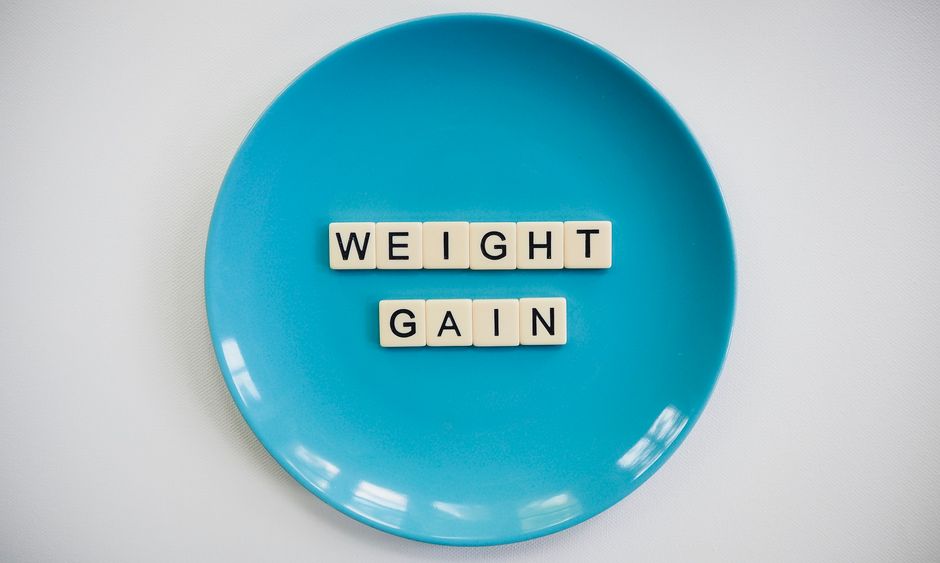
Gaining weight without eating carbs comes down to one principle: you need a calorie surplus, and fat and protein can supply it. Fat delivers 9 calories per gram, while protein and carbohydrates each deliver about 4 calories per gram. That means fat is the most calorie-dense macronutrient available, and protein helps you build and preserve muscle when calories are high. Together, they can support weight gain even when carbohydrate intake stays low.
How To Gain Weight Without Carbs Using Fat And Protein
A calorie surplus is the foundation of all weight gain. Eat more calories than your body burns, and the extra energy gets stored, mostly as body fat and some as muscle if you are training. How you divide those calories between fat and protein changes what kind of weight you gain and how you feel while gaining it.
Fat is your calorie engine. At 9 calories per gram, it packs more than twice the energy of protein or carbs into the same amount of food. This matters when you are cutting carbs, because you have to replace those missing calories from somewhere. Fat does that efficiently without forcing you to eat enormous volumes of food.
Protein is your muscle builder. It supplies the amino acids your body uses to repair and grow muscle tissue, especially when you are lifting weights. It also tends to be more filling than fat, which is a double-edged sword when your goal is to eat more.
A common starting framework is roughly 1.6 to 2.2 grams of protein per kilogram of body weight per day, a range supported by research on muscle building. Fat fills in the rest of your calorie needs. If you weigh 70 kilograms (about 154 pounds), that is roughly 112 to 154 grams of protein daily, with fat making up most of the remaining calories.
This is a general framework, not a prescription. Individual needs vary with activity level, body size, and health status.
Why Fat Is the Most Efficient Way to Add Calories
You can only eat so much food in a day. When carbs are limited, volume becomes a real problem, because the foods left on your plate tend to be filling. Fat solves this by being calorie-dense and low-volume.
Consider the difference. A tablespoon of olive oil has about 119 calories. A cup of cooked rice has roughly 200 calories but takes up far more space in your stomach. If you are trying to add 500 extra calories a day, a few tablespoons of oil or a handful of nuts gets you there without stuffing yourself.
Fat also slows digestion, which can help you feel satisfied between meals. That is helpful for general health but can work against you when you are trying to eat more. The trick is to add fat to foods you already eat rather than eating fat on its own.
- Drizzle olive oil over vegetables, eggs, or meat
- Add butter or cream to coffee, soups, or sauces
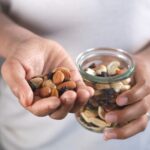
- Top meals with cheese, avocado, or nuts
- Cook with coconut oil, ghee, or tallow
- Choose fattier cuts of meat and full-fat dairy
These additions raise calories without adding bulk. Over a week, small additions add up.
How Much Protein Do You Actually Need to Build Muscle?
Protein needs rise when you are trying to gain muscle, but not as much as many people assume. Research on resistance training consistently points to a range of about 1.6 to 2.2 grams per kilogram of body weight per day as sufficient for most people building muscle. Eating more than that does not appear to add further muscle benefit for most healthy adults.
The type of protein matters less than the total amount, but quality still counts. Complete proteins contain all nine essential amino acids your body cannot make on its own. Animal sources like eggs, meat, fish, and dairy are complete. Most plant sources are not, though combining them across the day covers the gaps.
Spreading protein across meals may support muscle building slightly better than eating it all at once, though the evidence on timing is not as strong as the evidence on total daily intake. Getting enough total protein matters most.
One point worth stating plainly: protein alone does not build muscle. Without resistance training, extra protein mostly gets used for energy or stored as fat. The muscle-building signal comes from training, and protein supplies the raw material.
Which Foods Combine Fat and Protein Best?
The most practical foods for this approach deliver both fat and protein at once. That way every bite works toward your calorie and muscle goals at the same time.
| Food | Approximate protein per serving | Approximate fat per serving |
|---|---|---|
| Whole eggs (2 large) | 12 g | 10 g |
| Salmon (3 oz) | 22 g | 13 g |
| Ground beef, 80% lean (3 oz) | 20 g | 15 g |
| Cheddar cheese (1 oz) | 7 g | 9 g |
| Greek yogurt, whole milk (1 cup) | 20 g | 10 g |
| Almonds (1 oz) | 6 g | 14 g |
These figures come from standard USDA nutrient data. They are approximate and vary by brand and preparation.
A day built around these foods might look like eggs and cheese for breakfast, a salad with salmon and olive oil for lunch, and ground beef with vegetables cooked in butter for dinner. Nuts and full-fat yogurt fill the gaps. This pattern keeps carbs low while pushing calories and protein high.
Do You Need to Track Calories to Gain Weight?
Tracking is not required, but it helps. Most people significantly underestimate how much they eat, and the reverse is also true when trying to gain. Without some measurement, it is easy to think you are eating more than you are.
You do not have to count every bite forever. Many people track for a week or two to learn what their target intake looks like in real food, then stop and eat by habit. Others weigh themselves weekly and adjust based on the trend.
A reasonable target for weight gain is a surplus of roughly 300 to 500 calories above your maintenance level per day. This is a general range used in nutrition practice, not a fixed rule. Faster gain tends to mean more fat storage. Slower gain may mean less muscle. The right pace depends on your goals.
Weigh yourself at the same time of day, a few times a week, and look at the weekly average rather than daily numbers. Daily weight swings mostly reflect water, not fat or muscle.
What Are the Risks of a Very Low-Carb, High-Fat Diet?
Cutting carbs very low is not automatically harmful, but it is not automatically safe either. How your body responds depends on your health, your medications, and how extreme the diet is.
Some people experience what is often called “keto flu” in the first days or weeks: headache, fatigue, and lightheadedness. This is generally linked to water and electrolyte shifts as the body adapts. It usually eases, but it can be uncomfortable.
People with certain conditions need medical guidance before cutting carbs sharply. This includes anyone with diabetes, especially those on insulin or medications that lower blood sugar, because carb reduction can cause blood sugar to drop too low. People with kidney disease may also need to watch protein intake, since the kidneys process protein byproducts.
High intake of saturated fat remains debated. Some research links it to higher LDL cholesterol in certain people, while other research does not show the same effect. The evidence is mixed, and individual responses vary. If you have high cholesterol or heart disease risk factors, talk to a clinician before making fat the centerpiece of your diet.
The safest approach is to build the diet around unsaturated fats like olive oil, avocado, and nuts, with saturated fat from meat and dairy playing a smaller role. This is a general recommendation, not a guarantee of outcomes.
Can You Gain Weight Without Carbs at All?
You can gain weight with very few carbs, but “zero carbs” is nearly impossible in practice. Eggs, cheese, and even leafy greens contain small amounts. The realistic goal is very low carb, not none.
Some people find that cutting carbs too far makes it hard to eat enough calories, because fat and protein are filling. Others find the opposite, since removing carbs reduces appetite swings. Response varies.
If you struggle to eat enough, adding small amounts of carbs from whole foods like fruit or starchy vegetables can help you reach your calorie target without derailing your goals. This is a practical trade-off, not a rule. The best diet is the one you can stick with long enough to see results.
Frequently Asked Questions
How many calories should I eat to gain weight without carbs?
A common target is about 300 to 500 calories above your maintenance level per day, though individual needs vary. Tracking for a week or two can help you find your own number.
Can I build muscle without eating carbs?
Yes, muscle can be built with very low carbs as long as you eat enough protein and train with resistance. Total daily protein and consistent training matter more than carb intake for muscle growth.
What are the best high-fat, high-protein foods for weight gain?
Whole eggs, fatty fish, ground beef, full-fat dairy, cheese, nuts, and avocado all deliver both fat and protein. These foods raise calories without adding much volume.
Is a high-fat diet safe for everyone?
No. People with diabetes, kidney disease, or high cholesterol risk should talk to a clinician before making fat the centerpiece of their diet. The evidence on high saturated fat intake is mixed.
